10 Best Practices for Road Safety Everyone Should Know?
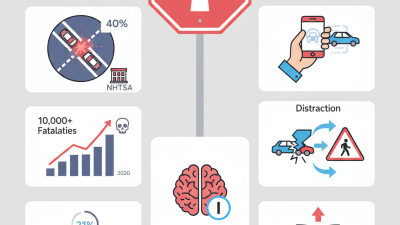
Road safety is a critical issue that affects everyone on the road. Dr. Emily Carter, a leading expert in traffic safety, once said, “Safety begins with awareness.” This statement reminds us that being aware of our surroundings can prevent accidents. Each year, thousands lose their lives due to negligence and poor practices.
Educating ourselves about road safety is not just a responsibility; it is essential. Whether you are a driver, a cyclist, or a pedestrian, understanding best practices can make a significant difference. Simple actions, such as wearing seat belts and using turn signals, can enhance safety. Yet, many still neglect these basic rules.
Moreover, road safety extends beyond individual actions. Communities must engage in effective campaigns to promote awareness. Despite these efforts, many still underestimate the importance of following guidelines. It is time for us to reflect on our habits and make changes for everyone's safety on the road.

Essential Road Safety Practices for Drivers and Pedestrians
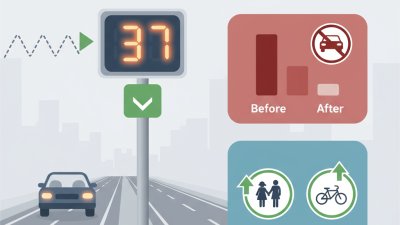
Road safety is crucial for everyone. Drivers and pedestrians must share the road responsibly. For drivers, maintaining a safe speed is essential. Always adhere to speed limits. It gives you more time to react to unexpected events. Avoid distractions, like using your phone. Even a moment's distraction can lead to accidents.
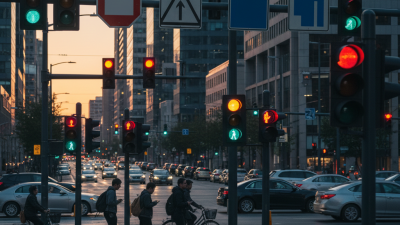
Pedestrians also play a vital role in ensuring their safety. Use crosswalks when available. Wait for the green signal before crossing. Stay aware of your surroundings. Don’t assume drivers see you; make eye contact with them. Wearing bright or reflective clothing can enhance visibility, especially at night.
Imperfect choices can lead to regret. Many people forget to check blind spots when changing lanes. Others walk while looking at their phones, oblivious to traffic. Small changes can make a big difference. Always remember: safety is a shared responsibility, and it requires constant vigilance.
10 Best Practices for Road Safety
| Best Practice |
Description |
For |
Frequency |
| Wear Seatbelts |
Always buckle up, it significantly reduces injuries in accidents. |
Drivers and Passengers |
Every Trip |
| Avoid Distractions |
Minimize phone usage and other distractions while driving. |
Drivers |
Always |
| Obey Speed Limits |
Stick to posted speed limits for safe traveling. |
Drivers |
Always |
| Use Turn Signals |
Indicate your intentions to help others anticipate your movements. |
Drivers |
Every Turn |
| Do Not Drink and Drive |
Never operate a vehicle under the influence of alcohol or drugs. |
Drivers |
Always |
| Follow Traffic Signals |
Respect traffic lights and signs to ensure orderly traffic flow. |
Drivers and Pedestrians |
Always |
| Cross at Designated Crossings |
Use crosswalks when crossing roads to ensure safety. |
Pedestrians |
Always |
| Stay Visible |
Wear bright or reflective clothing, especially at night. |
Pedestrians and Cyclists |
Always |
| Check Blind Spots |
Always check mirrors and blind spots before changing lanes. |
Drivers |
Every Lane Change |
| Observe Safe Distance |
Maintain a safe following distance to avoid collisions. |
Drivers |
Always |
Understanding the Importance of Wearing Seatbelts and Helmets
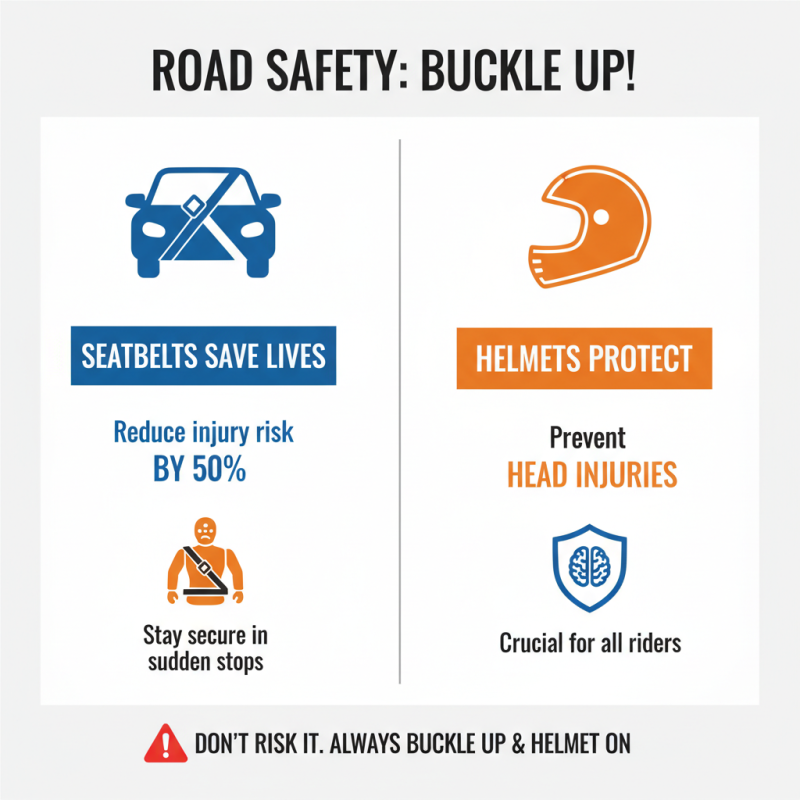
Wearing seatbelts and helmets is crucial in ensuring safety on the road. Seatbelts can reduce the risk of serious injury by up to 50%. They secure you in place during sudden stops or collisions. Many people still neglect to buckle up, thinking, “It won’t happen to me.” This mindset can be dangerous. A moment's lapse can lead to a lifetime of regret.
Helmets are equally important for motorcyclists and cyclists. They protect your head during falls or accidents. Studies show that wearing a helmet decreases the risk of head injuries significantly. Yet, some riders choose to forgo a helmet for the sake of comfort. This decision can be life-altering. Awareness of the consequences is essential. Each time you ride, consider the real dangers and the protection that a helmet provides.
The awareness of these practices should be more widespread. Many still question their effectiveness. Educating friends and family can help change these attitudes. When everyone understands the importance of safety gear, the number of accidents can decrease. It’s a collective effort that starts with individual responsibility.
Tips for Minimizing Distractions While Driving
Minimizing distractions while driving is crucial for everyone's safety. One of the biggest distractions is mobile phones. They can lure even the most cautious drivers.
Texting or checking notifications takes your focus off the road. If you feel the need to check your phone, pull over safely first. This small act can make a big difference.
Another common distraction is eating or drinking. It might seem harmless, but fumbling with food can lead to accidents. Imagine trying to grab a sandwich while navigating a busy intersection. It’s not worth the risk.
Eating at red lights can be tempting, but it's best to delay meals until you reach your destination. Consider using a travel mug with a spill-proof lid to avoid needing two hands.
Passengers can also create distractions, especially kids. They can get loud and restless. Setting clear rules about behavior in the vehicle can help.
Perhaps assign them tasks, like navigating or playing road games. Silence can breed distractions. Turn on the music, but ensure the volume is moderate. Balance is key to keeping everyone engaged and the driver alert.
How to Properly Follow Traffic Signals and Signs
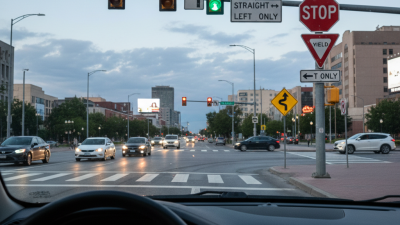
Traffic signals and signs play a crucial role in ensuring road safety. When you approach an intersection, the colors of the traffic lights can convey important messages. A red light means stop, while green signals you may go. But what about yellow? It's a warning. Many drivers hesitate, unsure whether to speed up or slow down. This indecision can lead to accidents. Always be prepared to stop when you see yellow. Trust your instincts, but follow the light.
Traffic signs are just as vital. They guide drivers on speed limits, road conditions, and pedestrian crossings. Yet, many ignore them. Speeding can seem harmless, but it increases stopping distance. You might think you can outrun the sign’s warning. But the truth is, a moment’s distraction can have severe consequences. Stop signs are often treated casually, leading to dangerous maneuvers. Remember, each sign is there for a reason. Following them can protect not only your life but others on the road as well. Small lapses in judgment can lead to big problems. Road safety is everyone's responsibility.
10 Best Practices for Road Safety Everyone Should Know
This chart illustrates the percentage of individuals who are aware of and consistently apply best practices for road safety, particularly focusing on following traffic signals and signs.
Key Strategies for Safe Driving in Adverse Weather Conditions
Driving in adverse weather conditions poses unique challenges. Rain, snow, and fog can dramatically reduce visibility and traction. According to the National Highway Traffic Safety Administration, nearly 24% of car crashes are weather-related.
Reduced speed is essential in bad weather. Many drivers forget that their stopping distance increases on wet or icy roads. The average stopping distance for a vehicle can double in these conditions. In heavy rain, visibility can drop to less than 100 feet. This makes it crucial to keep a safe distance from the vehicle ahead.
Failing to use headlights in poor visibility can be dangerous. Many drivers underestimate their importance. A study indicated that using low-beam headlights can improve visibility by up to 40%. Remember, it's not just about your visibility; it's about being seen by others too. Regularly checking and maintaining tires is vital. Tire treads should have a minimum depth for adequate grip. Neglecting this can lead to losing control on slick surfaces. Adverse weather demands a proactive approach to road safety.