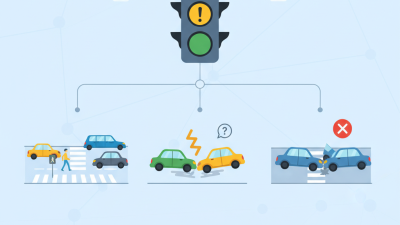
2026 Top Trends in Traffic Signal and Road Signs You Need to Know?
As we look ahead to 2026, the evolution of Traffic Signal and Road Signs continues to capture the attention of industry experts and urban planners. According to the latest report from the Federal Highway Administration, smart traffic signals can reduce wait times by up to 40%. This significant improvement highlights the urgent need for modernizing our infrastructure.
Dr. Emily Carter, a leading authority in traffic management, emphasizes, “The future of Traffic Signal and Road Signs lies in adaptive technology and data integration.” Her insights resonate as cities strive for safer and more efficient roadways. However, the push for innovation also brings challenges. Many municipalities struggle with funding and outdated systems that hinder progress.
The integration of new technologies like AI and IoT is shaping the future. Yet, skepticism remains. Stakeholders must navigate the balance between tradition and innovation. Being aware of these trends is crucial for policymakers and engineers alike. The journey towards smarter traffic solutions is just beginning, and it demands continuous reevaluation and improvement.
Major Innovations in Traffic Signal Technologies for 2026
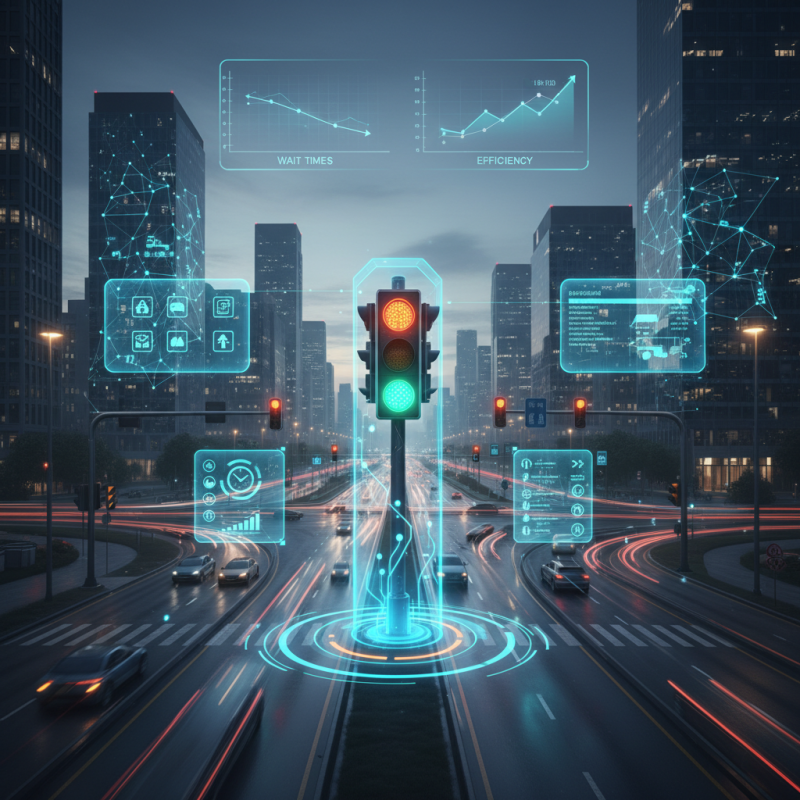
As we look toward 2026, major innovations in traffic signal technologies are reshaping urban mobility. Research from the National Transportation Safety Board indicates that smart traffic signals can reduce accidents by up to 30%. These advanced systems utilize real-time data to adapt to traffic conditions. For instance, they can prioritize emergency vehicles and reduce wait times during peak hours.
Another pivotal trend is the integration of artificial intelligence. According to a recent report by the Institute of Transportation Engineers, AI-driven signals can analyze traffic patterns and optimize flow. This leads to fewer congestion-related emissions. Despite these advancements, some challenges persist. Not all municipalities have the resources to implement these technologies effectively, creating disparities in traffic safety.
Wireless communication between vehicles and traffic signs is also on the rise. The U.S. Department of Transportation notes that Vehicle-to-Everything (V2X) communication can significantly improve road safety. Signals equipped with this technology relay important information to drivers, like upcoming changes or hazards. Implementing such systems, however, requires substantial infrastructure investments and continuous updates to maintain efficacy.
2026 Top Trends in Traffic Signal Technologies
Emerging Trends in Smart Road Sign Designs for Enhanced Safety
The evolution of smart road sign designs is shaping the future of traffic management. With over 1.3 million annual road fatalities worldwide, enhancing sign visibility is paramount. Innovative technologies are being integrated into road signs, from dynamic messaging boards to solar-powered displays. These developments aim to improve driver awareness and safety.
A recent report from the Institute of Transportation Engineers highlights that illuminated signs can increase readability by up to 75%. This is particularly crucial in adverse weather conditions or low-light environments. Dynamic signs can also provide real-time information about traffic conditions, accidents, or road work. Drivers can respond better when they receive timely updates, potentially reducing the likelihood of accidents.
However, there are challenges in implementing these technologies. Not all regions have the infrastructure to support smart signs. Additionally, installation and maintenance costs can deter widespread adoption. Communities must weigh the benefits against these hurdles. With thoughtful planning, the future of road signage can significantly enhance road safety and driver awareness.
2026 Top Trends in Traffic Signal and Road Signs You Need to Know
| Trend |
Description |
Impact on Safety |
Implementation Year |
| Smart Traffic Signals |
Traffic signals that adapt to real-time traffic conditions using AI. |
Increases efficiency and reduces accidents at intersections. |
2025 |
| LED Road Signs |
Traffic signs that use LED technology for better visibility and reduced energy consumption. |
Enhances visibility at night and in poor weather conditions. |
2024 |
| Vehicle-to-Infrastructure Communication |
Technology allowing vehicles to communicate with traffic signals to improve flow. |
Reduces congestion and potential collisions through synchronized traffic flow. |
2026 |
| Augmented Reality (AR) Signage |
Use of AR to display navigational information and warnings to drivers. |
Helps drivers make better decisions based on real-time overlays. |
2027 |
| Adaptive Signage Systems |
Traffic signs that change messages based on current road conditions. |
Prevents accidents by informing drivers of hazards promptly. |
2025 |
Integration of AI and Machine Learning in Traffic Management Systems
The integration of AI and machine learning in
traffic management systems is transforming how we control road signals and signs. These technologies
analyze vast amounts of data in real-time. They predict traffic patterns and optimize signal timings
to enhance traffic flow. This can greatly reduce congestion and improve road safety.
Tips: Consider the role of data. Systems need accurate information to function
effectively. Regular updates and maintenance are crucial. An unresponsive AI can lead to traffic chaos.
Recent advancements in AI also help in detecting violations, such as running red lights. Machine
learning models can learn from patterns and adapt traffic signals dynamically. However, these systems
may face challenges in unexpected situations. For instance, poor weather
conditions can affect sensor accuracy. Continuous improvement and oversight are essential for
reliability.
Tips: Monitor AI performance regularly. Human oversight helps catch potential errors.
Relying solely on automated systems can lead to critical failures. Prioritizing a balanced approach
is vital for effective traffic management.
Sustainability Initiatives in Traffic Sign and Signal Materials
Sustainability is becoming crucial in traffic sign and signal materials. Many cities are adopting eco-friendly choices. Traditional materials like metal and plastic contribute to waste. Newer alternatives are on the rise, focusing on recycled content and durability.
One significant trend is the use of bioplastics. These materials are derived from renewable resources. They reduce carbon footprints while maintaining robustness. Moreover, reflective materials made from recycled substances offer better visibility. This benefits both drivers and pedestrians.
However, challenges remain. Not all regions have access to these innovative materials. Installation and maintenance costs may also increase initially. Balancing sustainability with practicality is essential for widespread acceptance. Continuous research and development will play a crucial role in overcoming these barriers.
Impact of Autonomous Vehicles on Future Traffic Control Systems
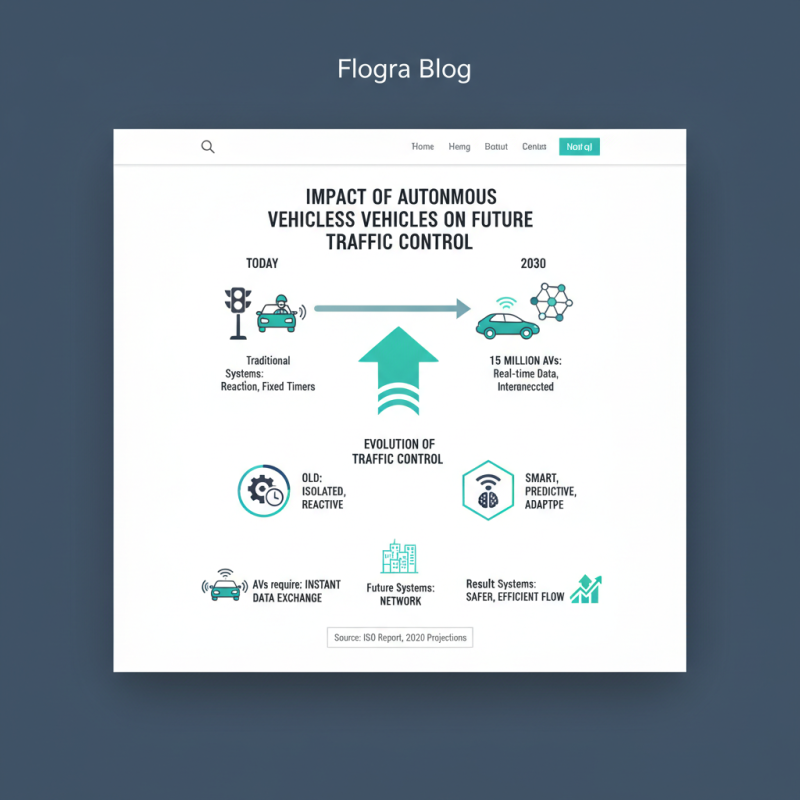
The rise of autonomous vehicles (AVs) is reshaping traffic control systems significantly. According to a recent report by the International Organization for Standardization (ISO), about 15 million self-driving cars are expected on the roads by 2030. This surge will inevitably influence how traffic signals and road signs operate. Traditional systems are often slow to react. In contrast, AVs require real-time data for swift decision-making, highlighting a need for advanced, interconnected traffic management systems.
Traffic signals must evolve. They need to communicate directly with AVs to ensure smooth traffic flow. A study from the Institute of Transportation Engineers indicates that integrating intelligent traffic signals with vehicle communication can reduce traffic delays by up to 30%. However, this integration is not without challenges. Legacy systems must be upgraded. Infrastructure investments will be required, and legislation will need to adapt to these technologies.
Furthermore, there’s a lack of standardization in how AVs interpret signals and signs. Different manufacturers may design systems with various capabilities. This inconsistency can lead to confusion at intersections. Additionally, there are concerns about cybersecurity risks as more vehicles connect to traffic networks. Balancing innovation with safety and reliability remains a significant hurdle.