



Unveiling the "Silent Conductors" of Urban Traffic: Traffic Light Classification
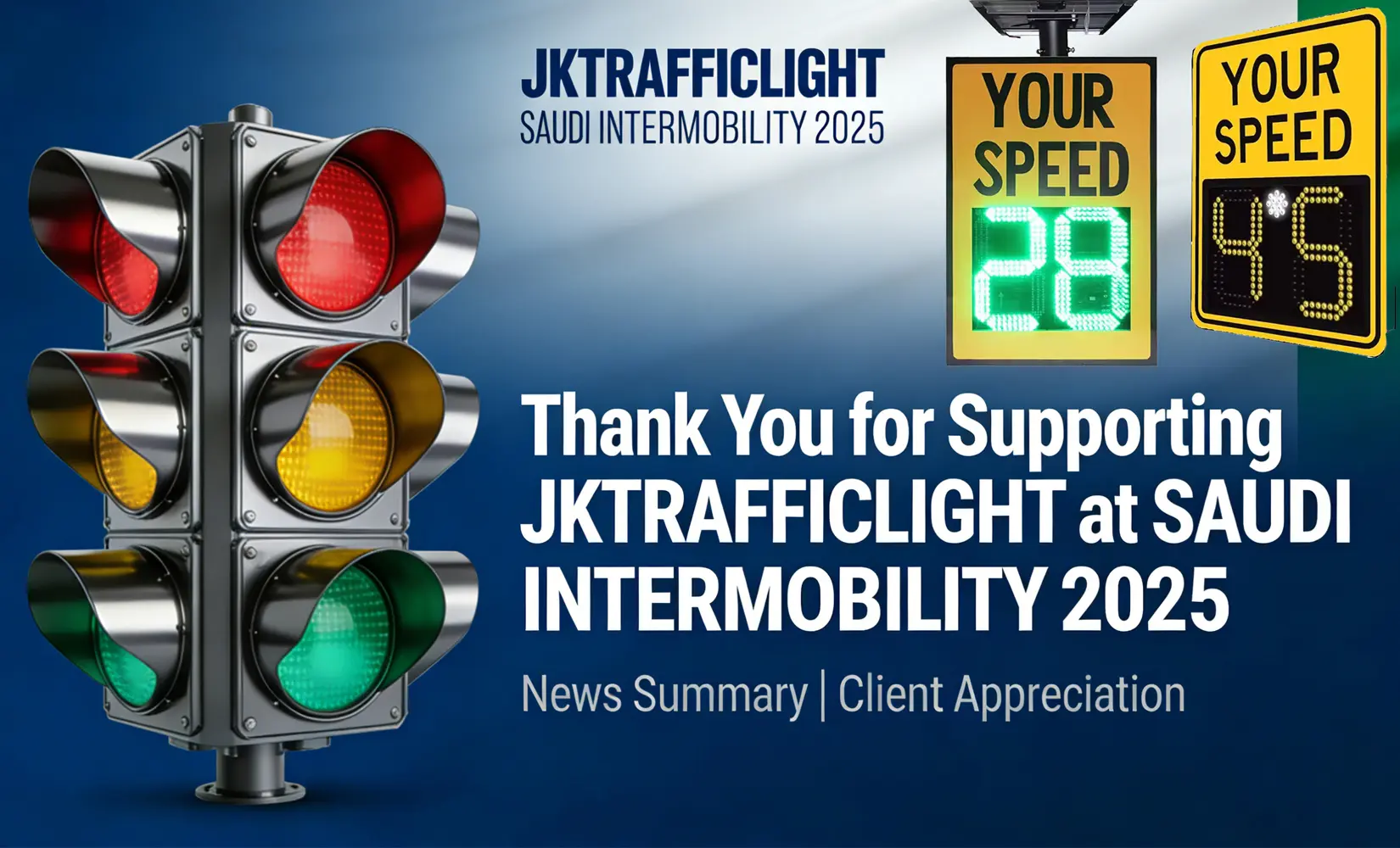
Countless vehicles and pedestrians travel the roads every day, and traffic lights are a key component of the equipment that keeps this vast system running smoothly. These "silent conductors" of red, yellow, and green are far more than they appear. Since its establishment in 2002,JKTRAFFICLIGHT has focused on the research and development, design, lean production, and rigorous quality management of traffic lights. This has enabled us to accumulate extensive industry experience and a deep understanding of the safety mission behind each type of light.
According to Chinese national standards, traffic lights are systematically categorized into seven major types, each with its own unique function and application scenarios, forming a comprehensive network of traffic safety.
01 Core Classification of Traffic Signals
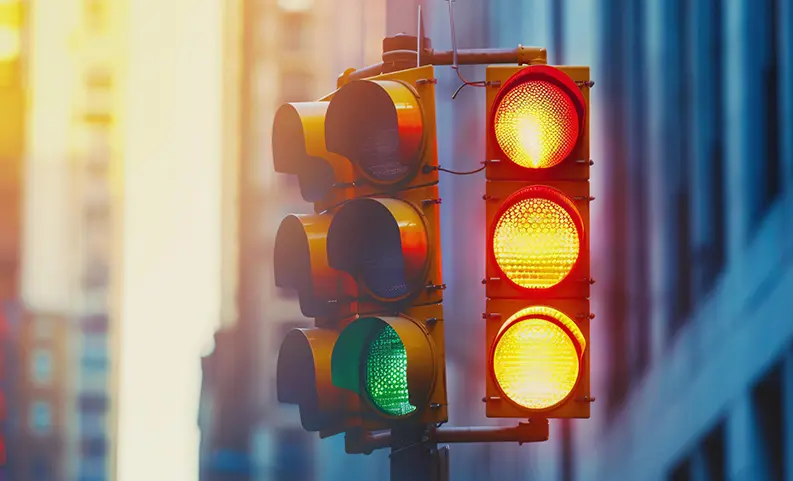
Modern traffic signal systems have developed a sophisticated classification system to provide precise guidance for different road users and traffic scenarios. Based on internationally accepted classification methods and Chinese national standard GB14887, traffic lights are primarily divided into seven categories.
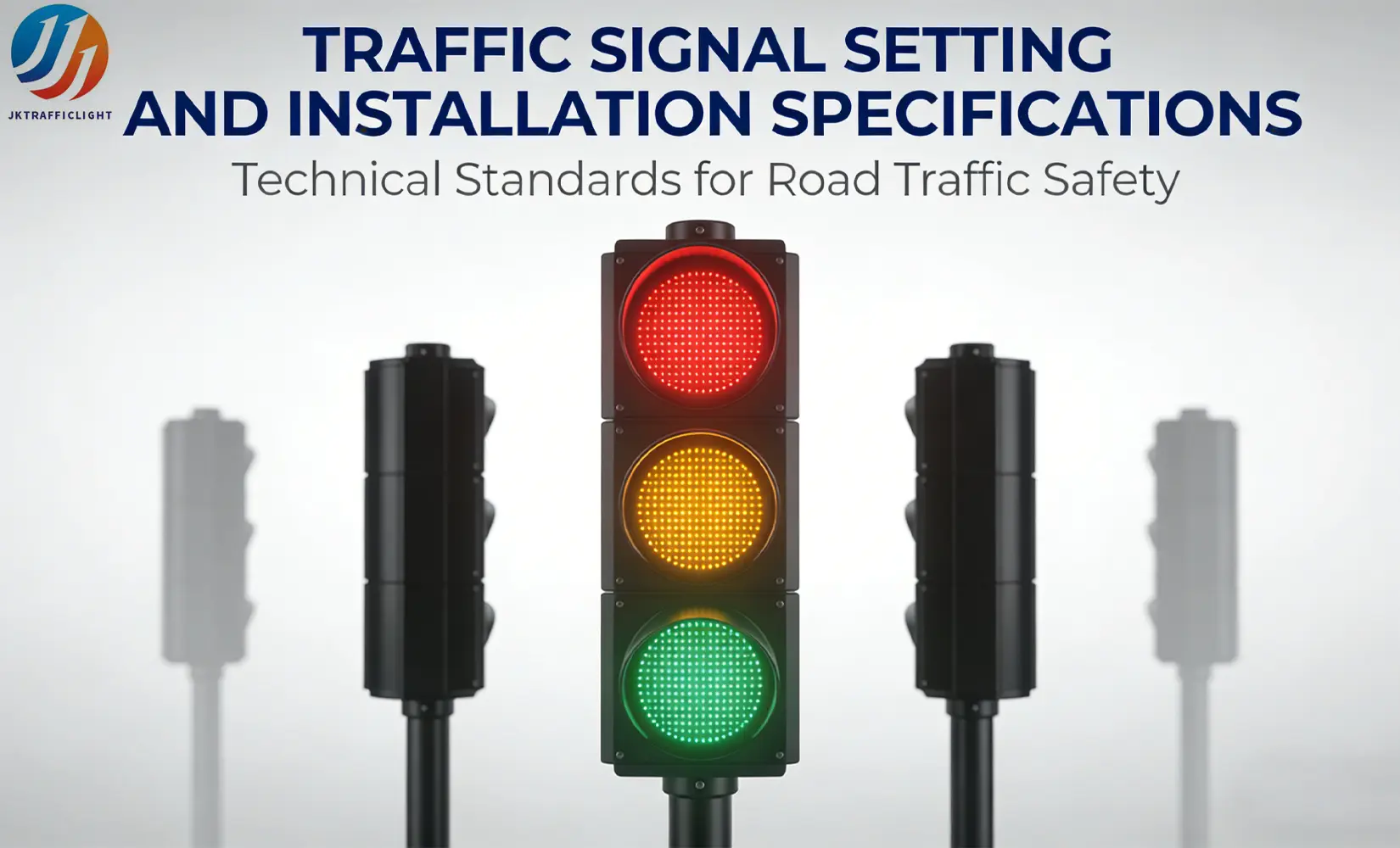
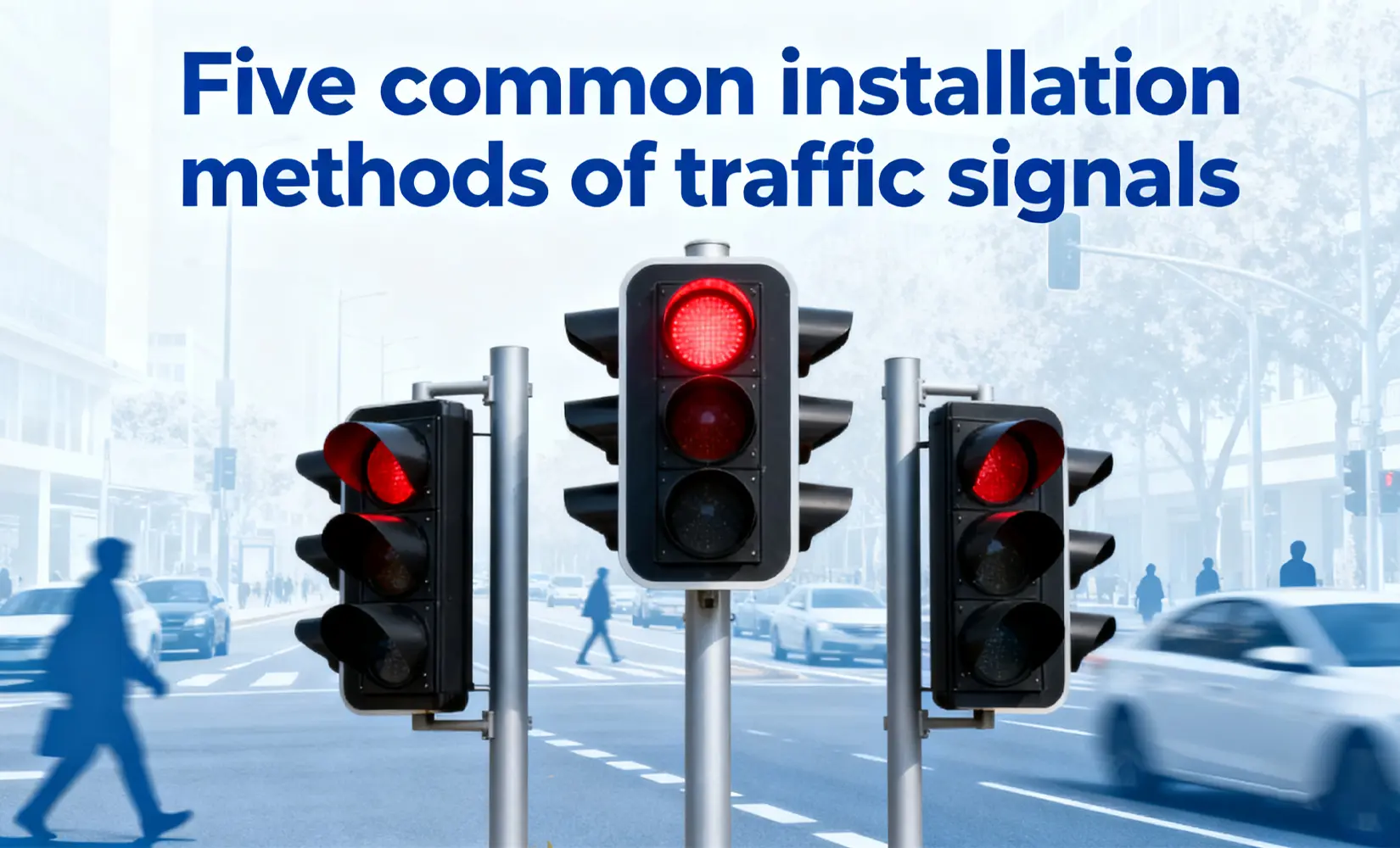
Motor vehicle traffic lights are the most common type, consisting of circular lights (full screen) displaying red, yellow, and green. When the green light is on, vehicles may proceed straight or turn, but turning vehicles must not obstruct straight-moving vehicles or pedestrians. When the yellow light is on, vehicles that have already crossed the stop line may continue to pass. A red light explicitly prohibits passage, allowing only right-turning vehicles to proceed without obstructing other traffic participants.
Non-motor vehicle traffic lights are designed specifically for bicycles and other vehicles and utilize a three-color light cluster with a bicycle image. In the absence of separate lights, non-motor vehicles must follow the instructions of motor vehicle traffic lights. The emergence of these types of traffic lights reflects the development and improvement of urban slow-moving traffic systems.
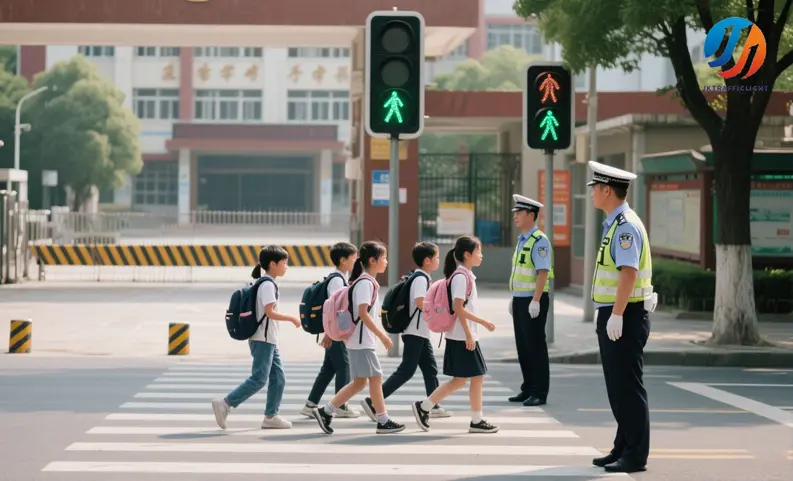
Pedestrian crossing signals use standing (red) and walking (green) figures to direct pedestrians across the street. When the red light is on, pedestrians are prohibited from entering the crosswalk; when the green light is on, pedestrians are allowed to cross. Some cities have added countdown functions to these signals to improve pedestrian crossing safety.
02 Specialized Traffic Lights for Special Scenarios
In complex urban road networks, specific traffic scenarios require more specialized traffic light solutions.
Directional signal lights (arrow lights) use clearly pointed arrow patterns to directly indicate the right of way in a specific direction. Unlike full-screen lights, arrow lights eliminate uncertainty about traffic direction: a green arrow indicates that vehicles may proceed in the direction indicated; a red arrow prohibits that direction. Arrow lights have become crucial for improving traffic efficiency on urban arterial roads and multi-phase controlled intersections. JKTRAFFICLIGHT's arrow lights, with their precise beam control and highly legible arrow direction, are widely used at multi-phase controlled intersections and arterial roads. Available in various sizes from 100mm to 400mm, they are flexible and adaptable to different intersection sizes.
Lane lights are typically located above lanes, indicating lane opening and closing using a green downward-pointing arrow or a red cross pattern. These lights are a core management tool for variable lanes and tidal lanes, dynamically adjusting lane usage based on real-time traffic flow to maximize road resource utilization.
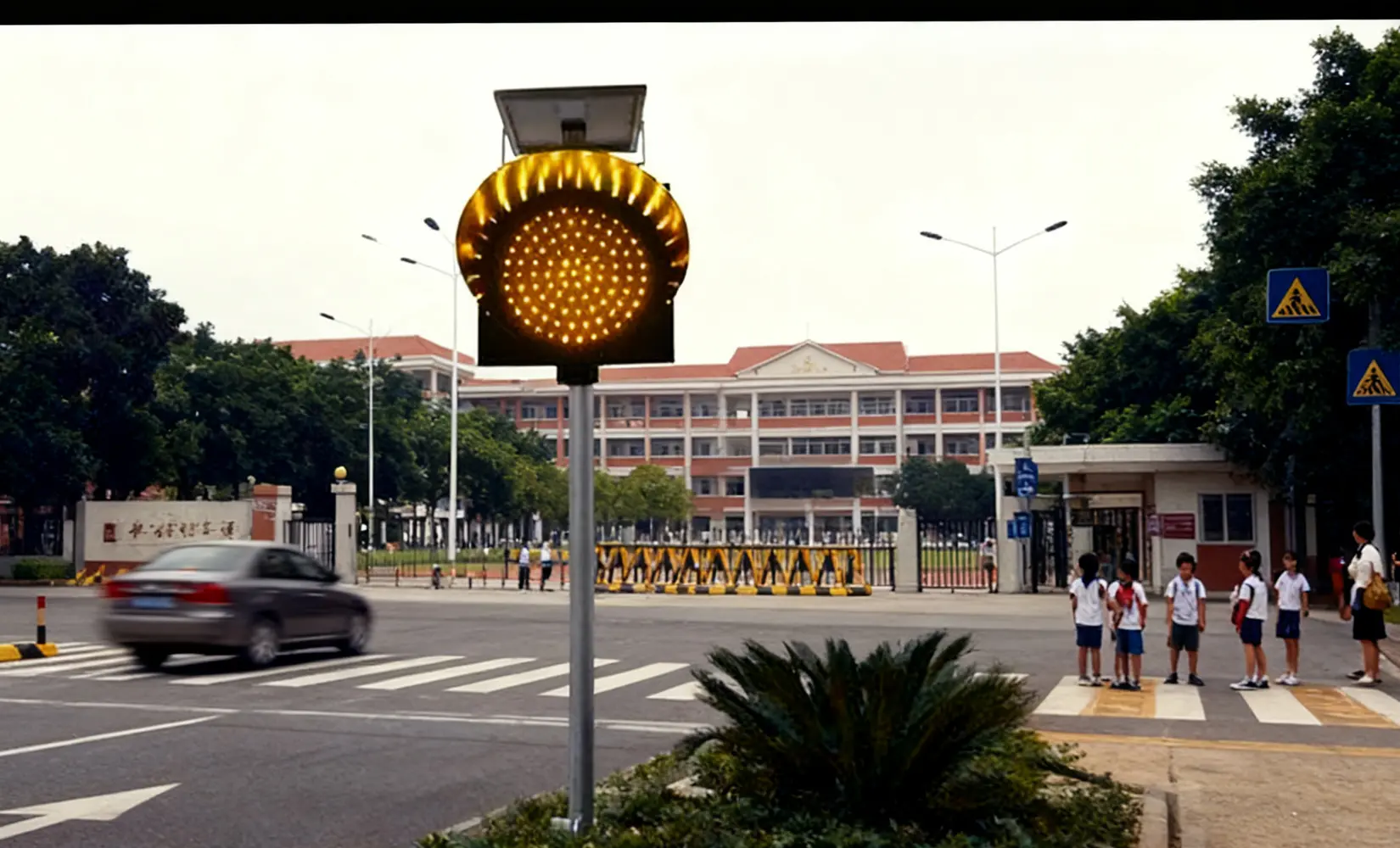
Flashing warning lights provide warnings with a continuously flashing yellow or red light. A flashing yellow light indicates danger and caution; a flashing red light is equivalent to a stop sign, requiring vehicles to come to a complete stop. This type of traffic light is commonly found in school zones, dangerous road sections, and railway crossings, and serves as a crucial line of defense for traffic safety.
Railway crossing signals typically consist of two alternating red lights, indicating an approaching train and prohibiting vehicles and pedestrians from crossing the crossing. Traffic is permitted only when the red light goes out. This signal system forms a critical safety barrier at railway-road intersections.

03 Future Development Trends and Challenges
With the advancement of smart city development, traffic signal systems are rapidly developing towards intelligent, networked, and user-friendly features.
Vehicle-road cooperative technology will enable real-time communication between traffic lights and vehicles, allowing vehicles to obtain signal status information before approaching an intersection, optimizing driving strategies and reducing sudden braking and ineffective idling. Pilot programs have been conducted in specific areas of some cities, with significant results.
Signal systems for special groups are also being improved. Audible traffic lights for the blind provide audible guidance to assist visually impaired individuals in crossing safely, embodying the inclusive design concept of transportation facilities. Meanwhile, push-button pedestrian traffic lights give pedestrians more autonomy during off-peak hours and at night.
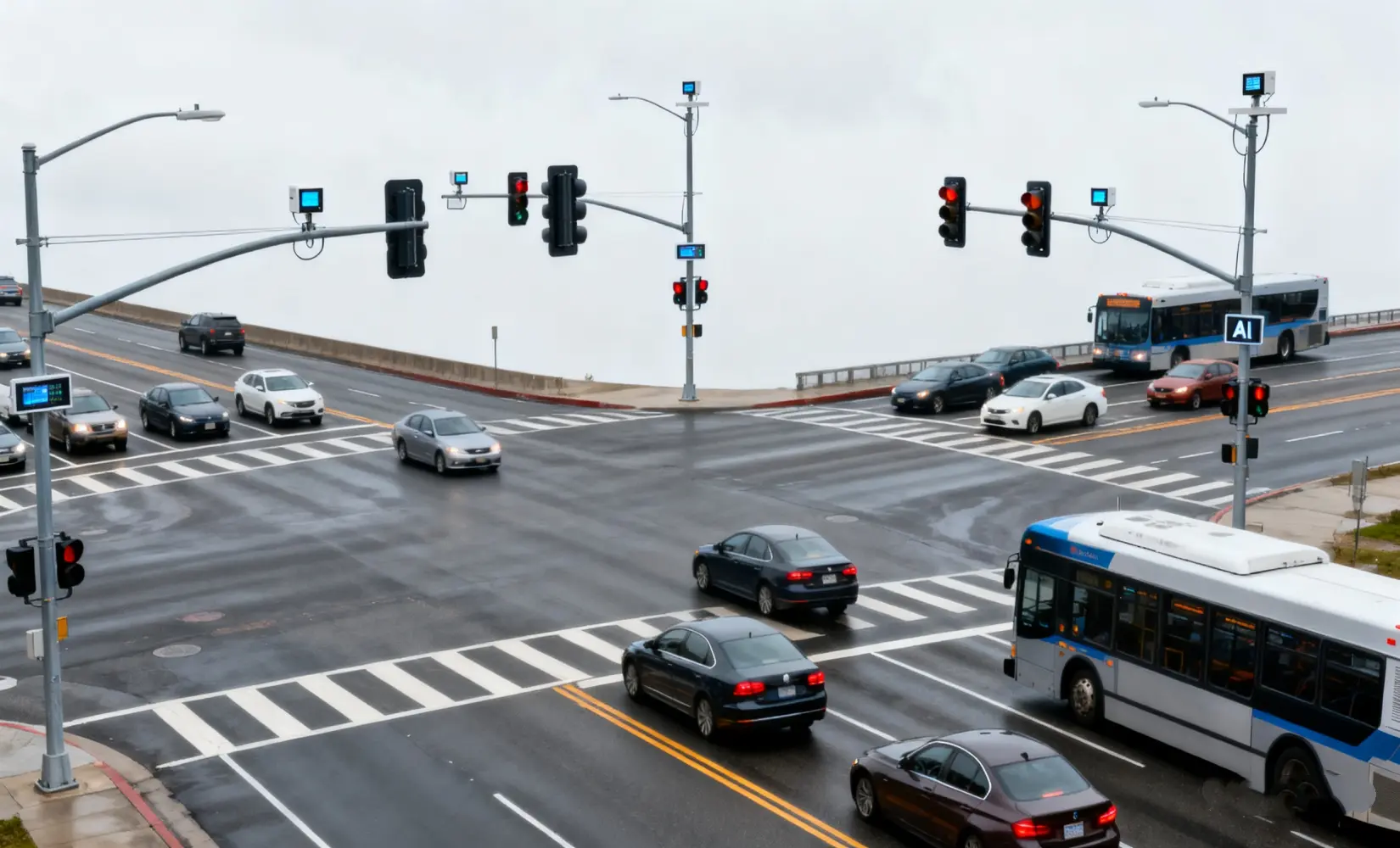
Multimodal coordinated control of traffic lights has become a research hotspot. By integrating diverse information such as video surveillance, radar detection, and mobile device data, the system can build a more comprehensive traffic status perception capability and achieve overall optimization of regional traffic flow. This technology has already played a significant role in traffic management during holidays.
According to statistics, properly configured traffic lights can reduce traffic accidents by approximately 30% and improve intersection efficiency by over 20%. With the development of intelligent transportation systems, traffic lights are no longer passive light-switching devices; they are intelligent devices that can sense traffic flow and automatically optimize their timing.
The next time you're waiting for the light to turn green at an intersection, take a look at these meticulously designed signal devices—they may be smarter than you think.