





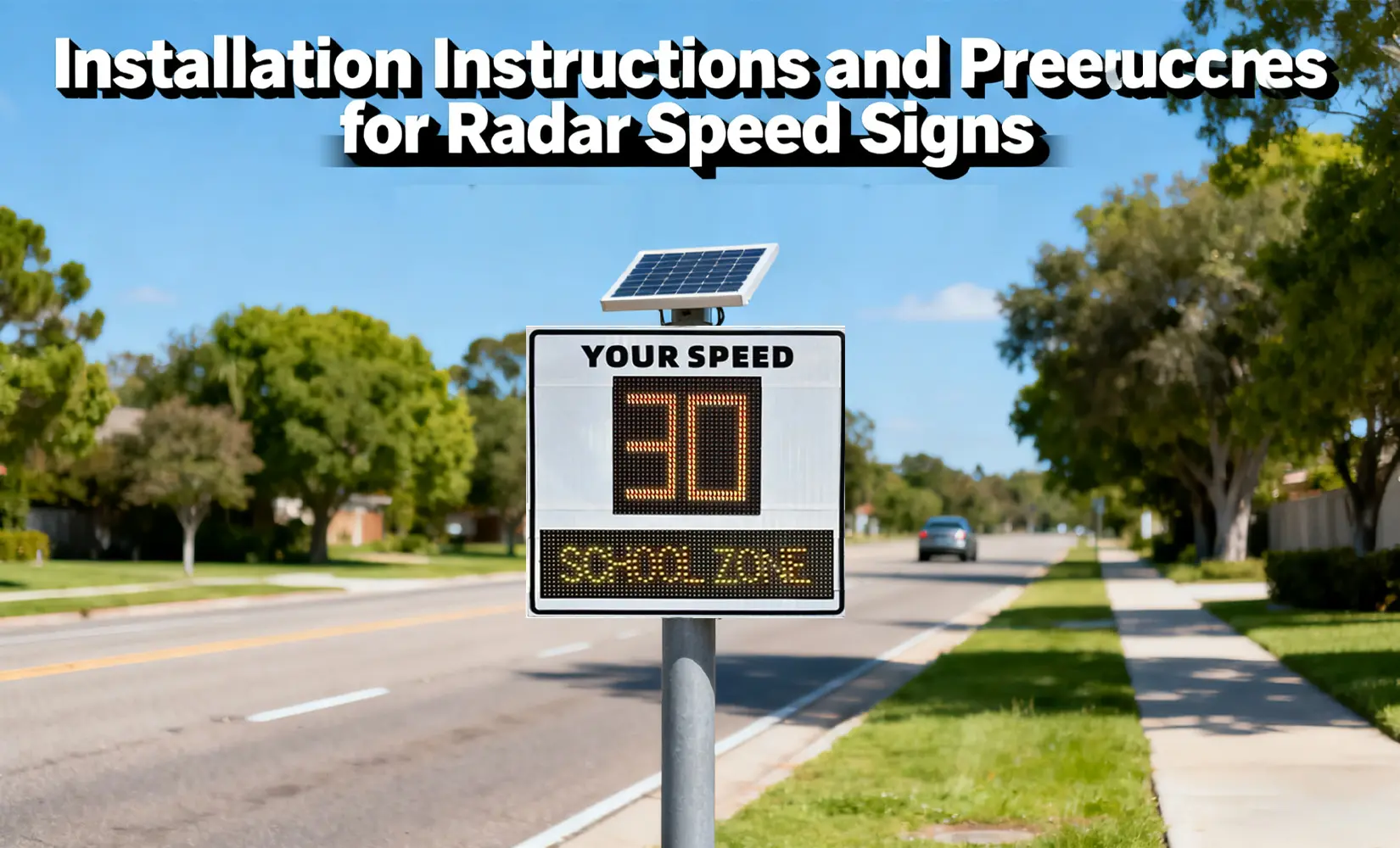
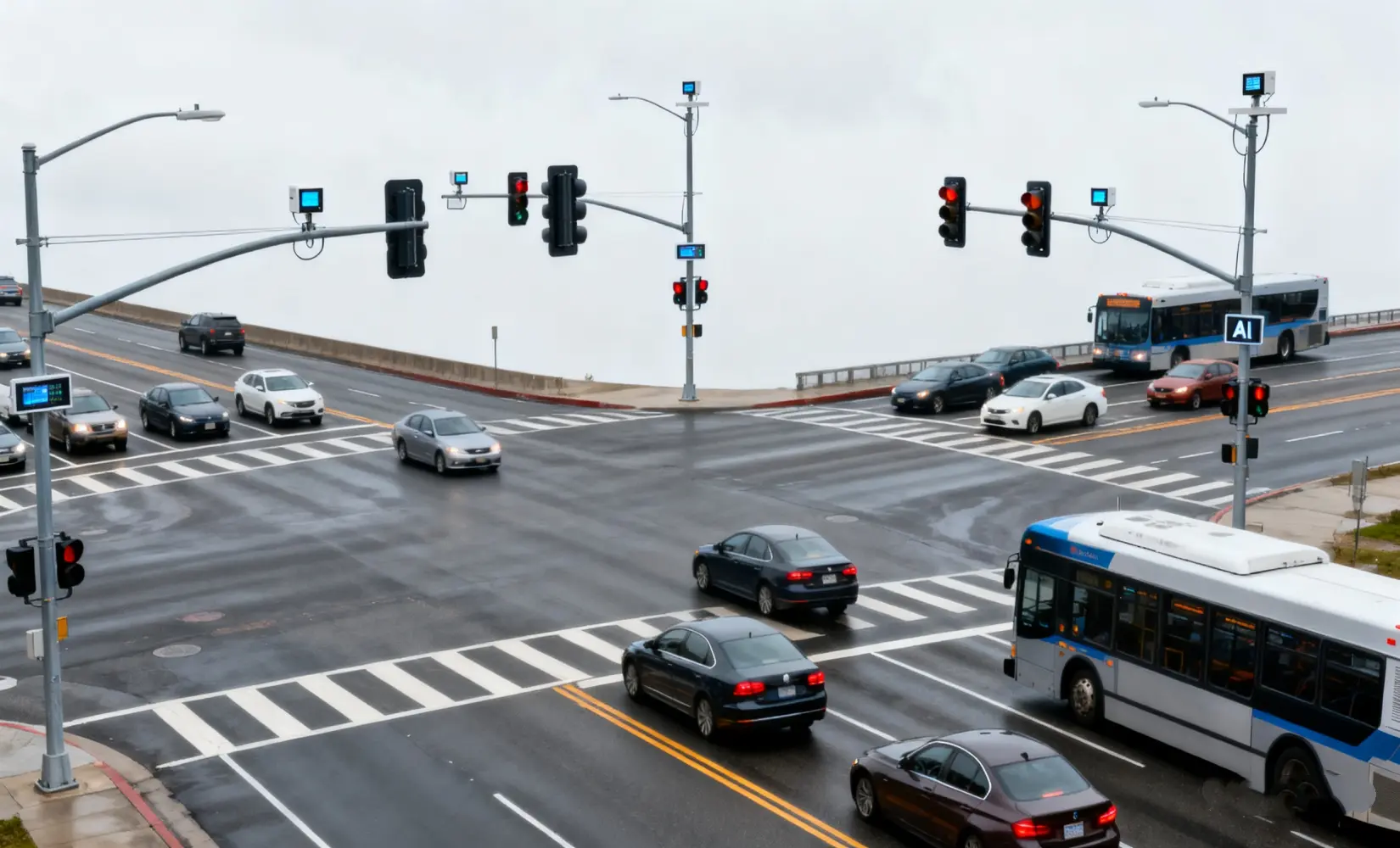
The working principle of radar speed signs
In daily life, speed limit signs are quite common on highways and urban roads. However, drivers often overlook these traditional passive signs. At the very least, they may violate traffic regulations; at worst, they can cause traffic accidents that endanger lives. Therefore, Radar speed feedback signs that can provide active speed feedback and early warning based on the actual operating speed of the vehicle have emerged. Relevant studies have shown that speed feedback signs can reduce vehicle speed by 10% and significantly lower the proportion of speeding
1.Working Principle of Radar Speed Feedback Sign
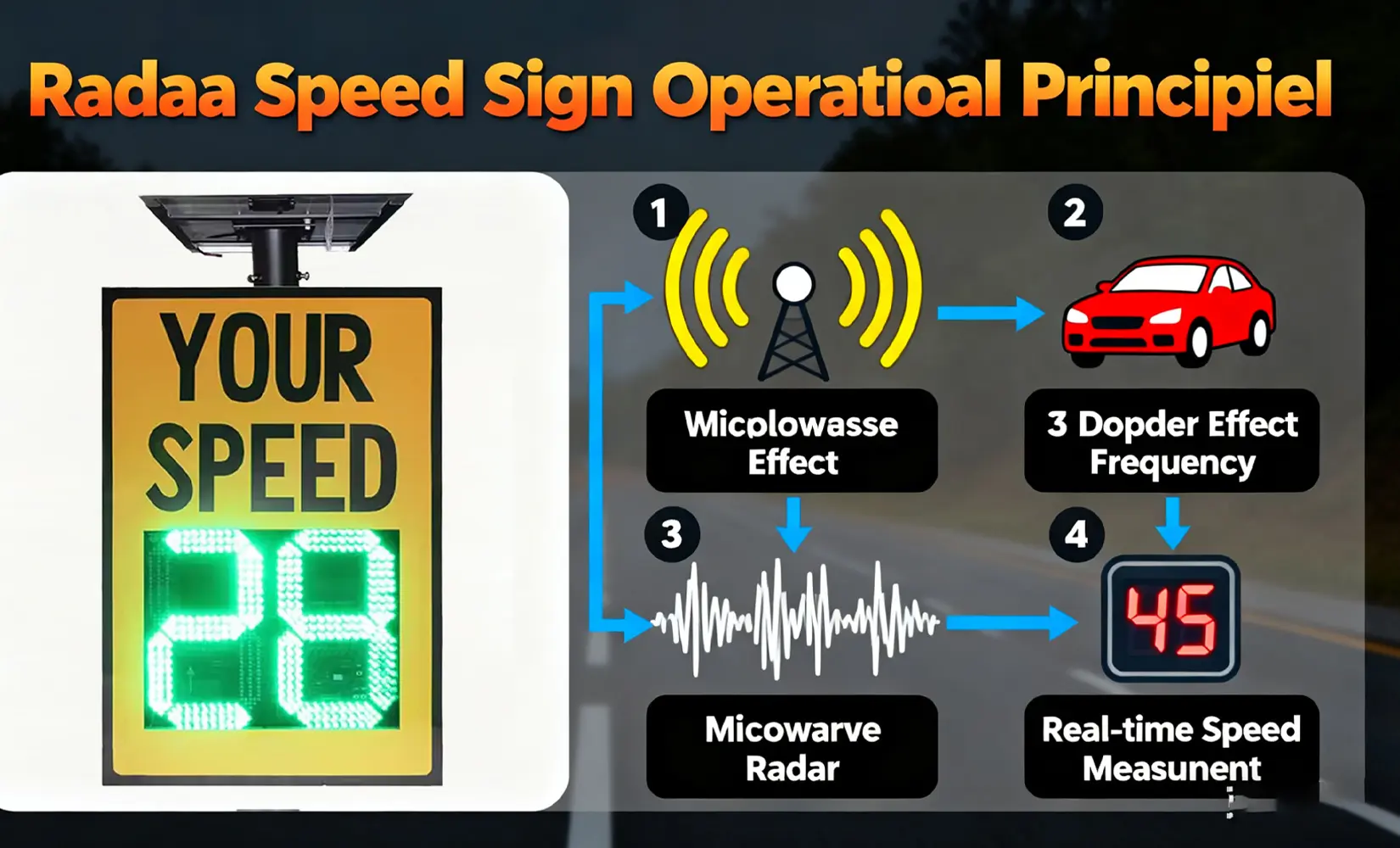
The radar speed feedback signmainly monitors the actual operating speed of vehicles on different lanes through the radar installed on the information release panel, and feeds back the real-time speed to the driver through the LED display screen. It is also equipped with speed limit signs to prompt or warn the driver to slow down and prevent possible speeding behavior.
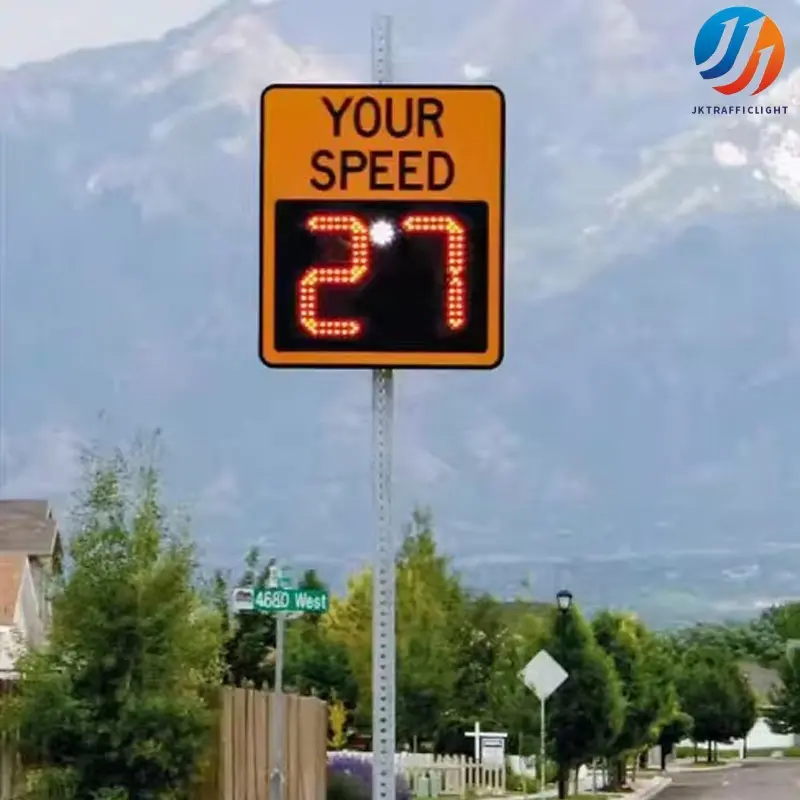
The basic steps for the operation of a radar speed feedback sign
(1) The vehicle enters the detection area of the radar;
(2) The speed of the vehicle detected by microwave radar;
(3) The speed feedback board shows the vehicle's speed and simultaneously records the relevant original data.
2. Working Principle of Vehicle Speed Feedback Sign Radar
Speed feedback radar is the core of speed warning technology. It can provide real-time feedback on the speed of oncoming vehicles and help drivers maintain a safe speed.

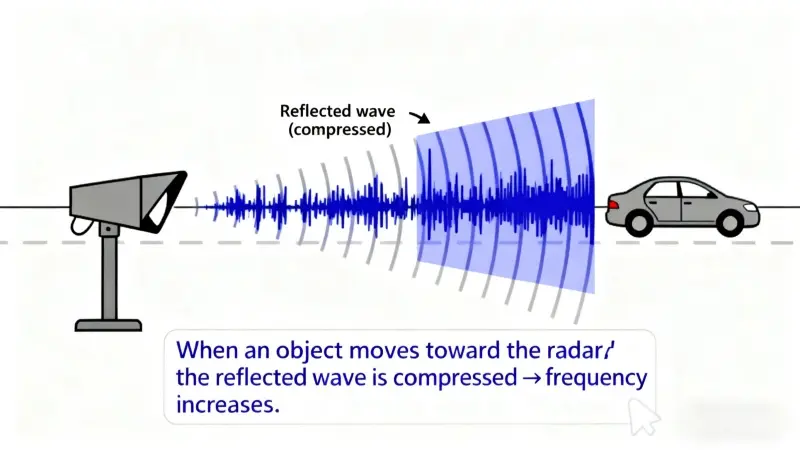
Vehicle speed feedback radar is generally implemented by using microwave radar technology. The accurate velocity detection of moving objects by microwave radar is based on the microwave Doppler effect. When microwaves travel, they will be reflected when they encounter obstacles. Moreover, the frequency and amplitude of the reflected waves will change according to the movement state of the objects they encounter. There are three situations:
①If the object encountered by the microwave remains stationary, the frequency of the reflected wave will not change.
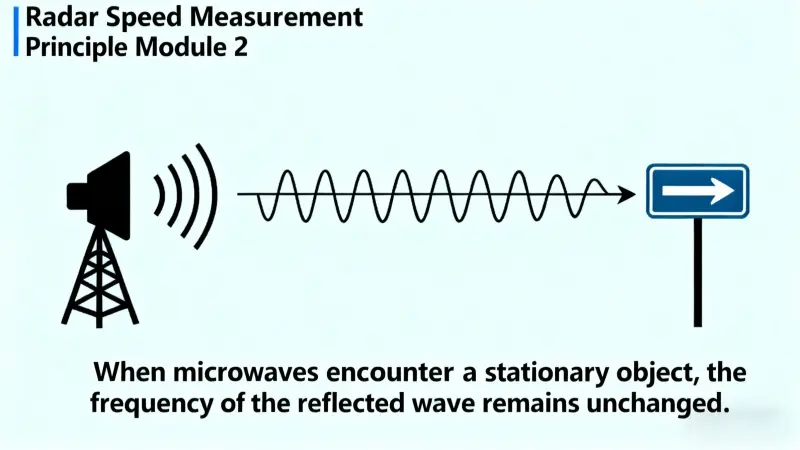
②If an object moves towards the radar, the reflected wave is compressed → the frequency of the radio wave will increase accordingly.
③When an object moves away from the radar, the reflected wave is stretched → its frequency decreases. This is the Doppler effect.
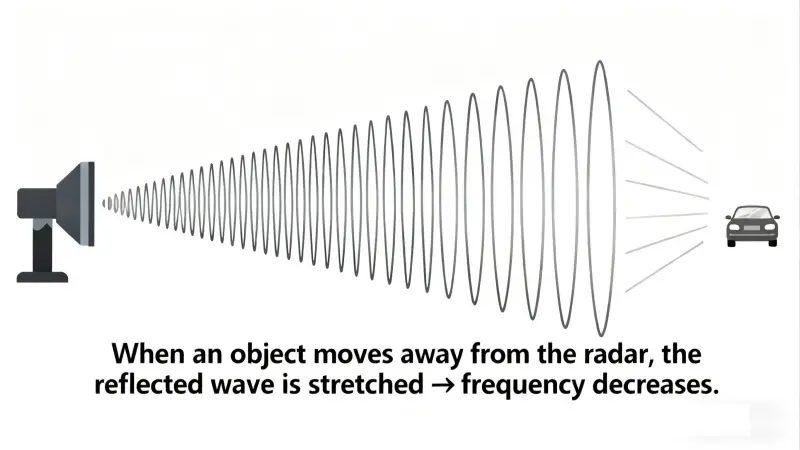
Based on the Doppler effect, the speed of a moving target can be precisely measured through frequency changes.

The vehicle speed feedback sign radar operates based on the Doppler effect. Specifically, it measures the speed by sending out a signal and calculating the change in the returned signal. When the signal emitted by the radar comes into contact with a moving vehicle, the vehicle will cause the signal to be reflected. The radar receives the reflected signal and calculates the speed of the vehicle based on the frequency change (Doppler frequency shift) between the transmitted signal and the received signal. Radar speed detection signs first distinguish the size of the reflected volume based on the strength of the reflected signal, and then verify the type of target through the movement trajectory, filtering out pedestrians or other objects with weak signals or abnormal movement states. The combination of the two achieves the purpose of only measuring vehicles, ensuring the accuracy of speed measurement and the adaptability to road usage scenarios. Due to the fact that the speed feedback sign radar may be affected by various factors during use, such as installation Angle and electromagnetic interference, relevant precautions must be followed during installation and use to ensure the accuracy of speed measurement.