



The Science of Driving: Why "Seeing the Speed Limit at a Glance" on Highways is Crucial
In the complex environment of highway driving, the clear and immediate transmission of information is the first line of defense for safety. How speed limit information is effectively and quickly captured by drivers is directly related to driving safety.
一、 The Cognitive Science Behind "Seeing at a Glance"
Highway driving is a high-load cognitive task. Drivers must process a vast amount of information in a very short time: road conditions, distance to other vehicles, signage, navigation, etc. According to attention allocation theory, when the burden of visual search and information processing is too heavy, "attentional blindness" can occur, causing crucial information like static speed limit signs to be missed.
The design concept of "seeing at a glance" aims to reduce this cognitive load. It means the information is presented intuitively and conspicuously enough to be integrated into the driver's decision-making process instantly, without requiring extra thought or effort. This efficient information transfer buys valuable time for subsequent safe maneuvers.
二、 Three Types of Risks Posed by Ambiguous Speed Perception
1. Velocity Adaptation and Accident Risk
After prolonged driving at a constant speed, drivers can experience "velocity adaptation," where their perception of speed becomes dulled, leading to unintentional speeding. When entering sections requiring speed reduction (like curves or tunnel entrances), this adapted high-speed perception causes them to underestimate their actual speed, significantly increasing the risk of insufficient braking distance or loss of vehicle control.
2. Reaction Delay and The Risk of Fines
If a speed limit sign is not conspicuous, the process of spotting it, recognizing the number, and comparing it to the speedometer takes several seconds. On a highway, this means the vehicle travels a significant distance. By the time speeding is realized, the driver may already be in a speed enforcement zone or have no time to slow down smoothly, resulting in a traffic violation.
3. Driving Behavior Fluctuations and Congestion Risk
Unclear speed limit information leads to inconsistent traffic flow speeds. Some drivers may spot the sign suddenly and brake harshly. This behavior creates a "shockwave" effect behind them, triggering a chain reaction and becoming a primary cause of "phantom traffic jams" (congestion without accidents). Smooth traffic flow relies on all drivers having a clear and consistent understanding of the rules.
三、 Technological Solution: The "Dynamic Feedback" Mechanism of Radar Speed Signs
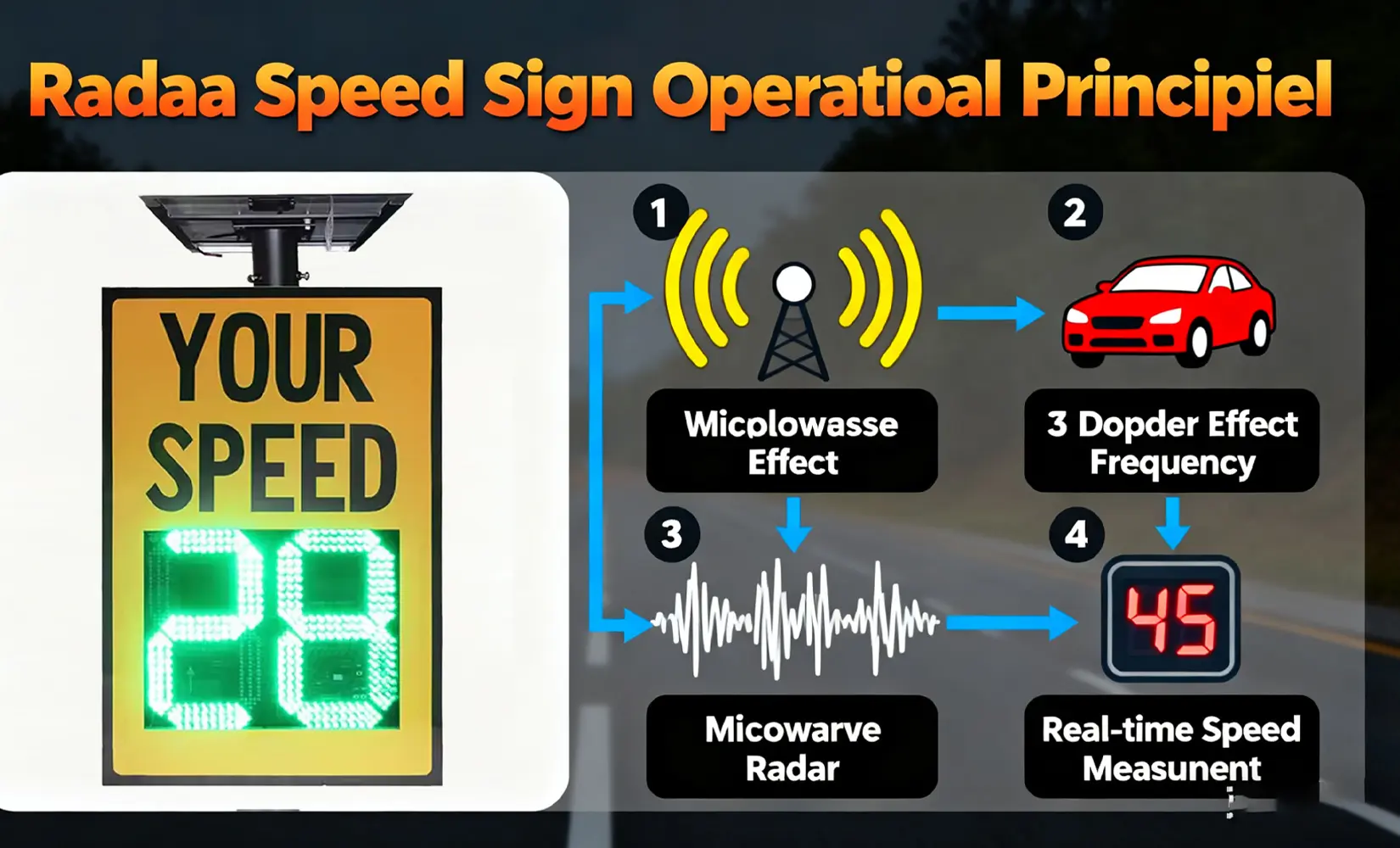
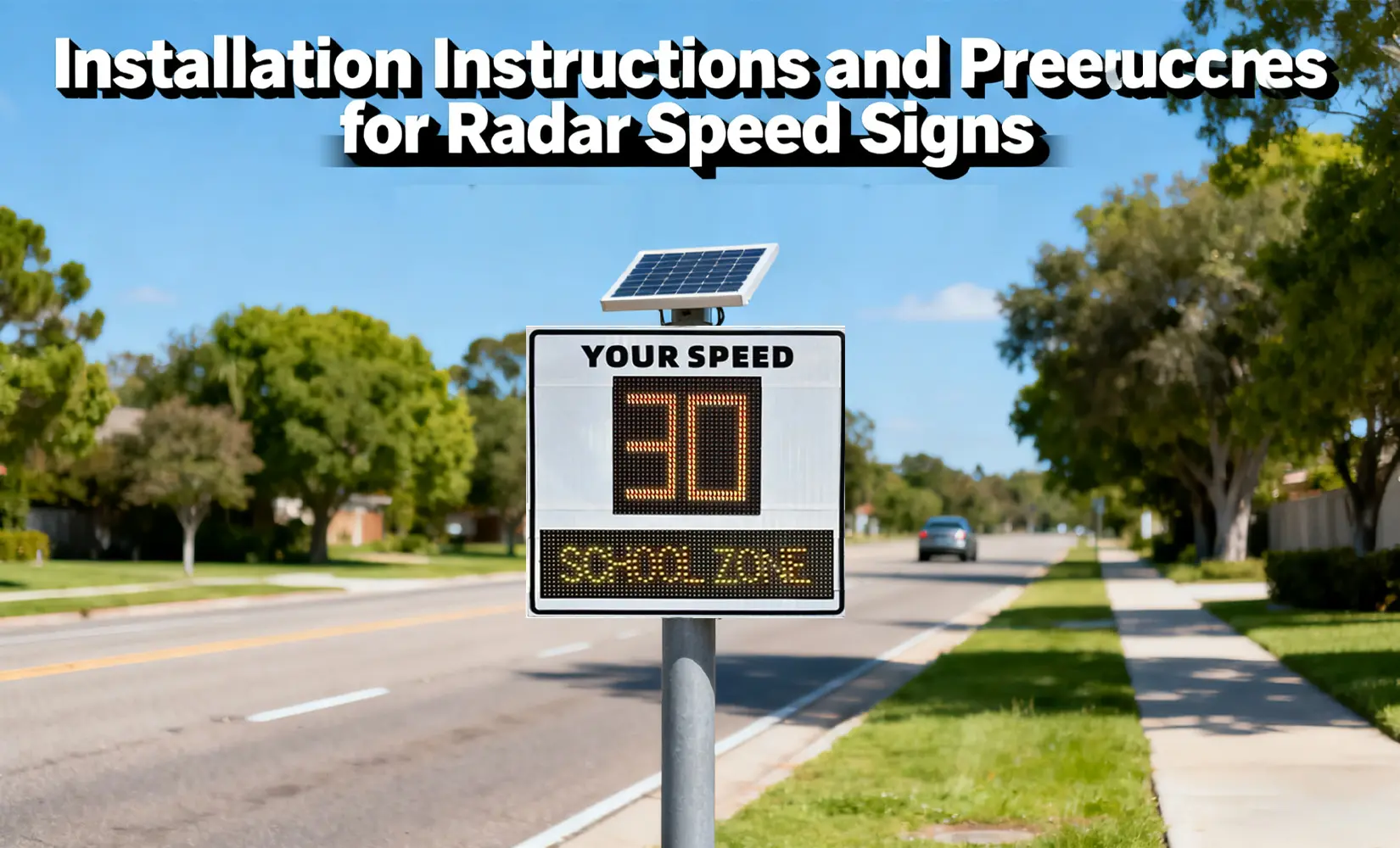
To address these issues, active feedback devices based on radar technology—Radar Speed Signs—have been introduced into traffic engineering. It is not just a sign displaying a number, but a safety interaction system that aligns with ergonomic principles.
- How it works: It accurately measures the instantaneous speed of each approaching vehicle using radar waves.
- Core Value: It transforms static rules into dynamic, personalized real-time feedback. When speeding is detected, the display provides a gentle yet instant warning through color change (e.g., to red) or flashing.
This "dynamic feedback" effectively counters "velocity adaptation," significantly shortens driver reaction time, and encourages smooth, early deceleration, thereby simultaneously addressing the risks of accidents, fines, and congestion. It turns the ideal of "seeing the speed limit at a glance" into an effective safety practice.
Conclusion
In the pursuit of efficient mobility today, reducing drivers' cognitive load through intelligent traffic facilities is key to improving road safety. Ensuring that speed limit information can be "seen at a glance" is not just an engineering requirement but also a profound commitment to life safety, backed by science.