





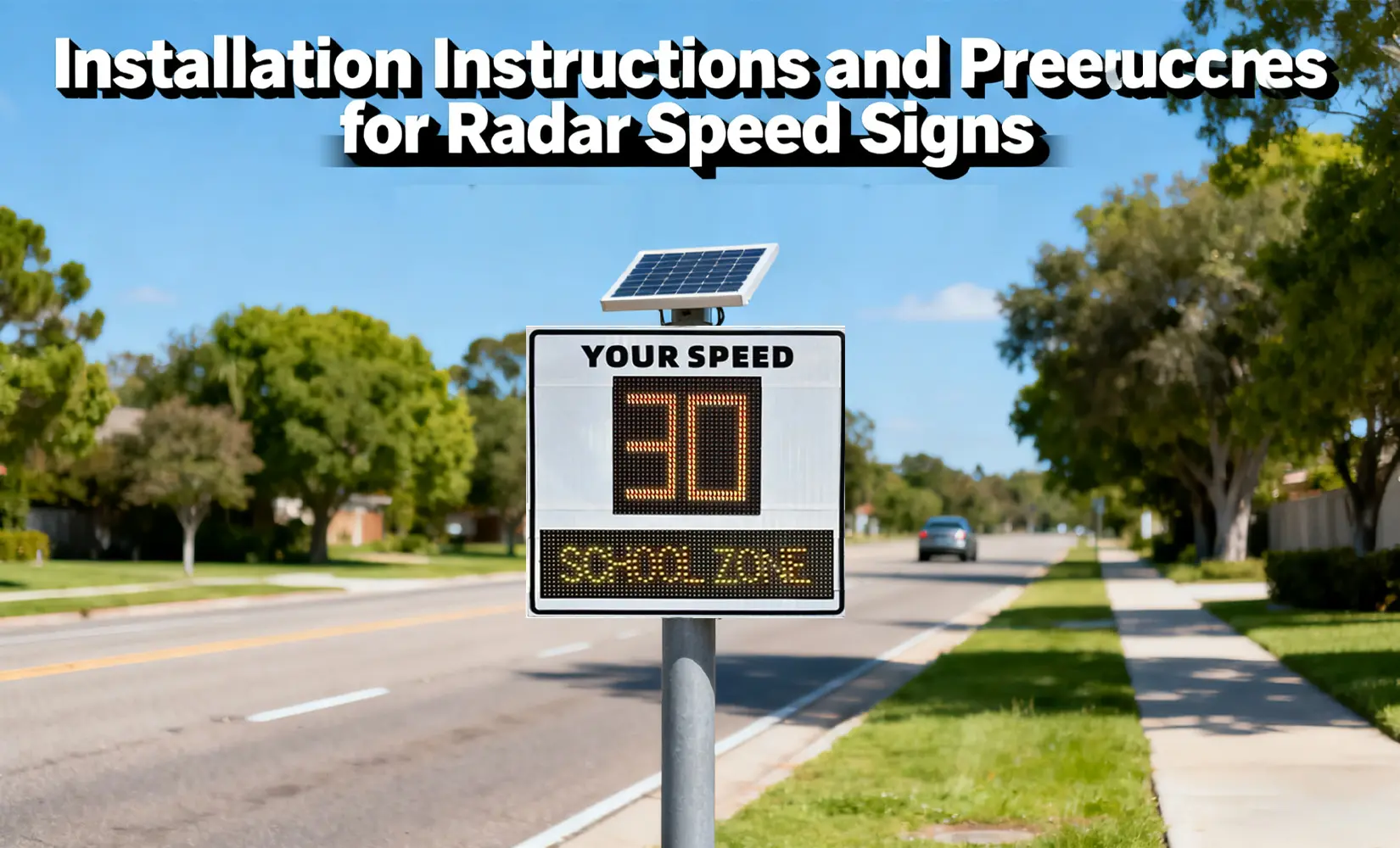
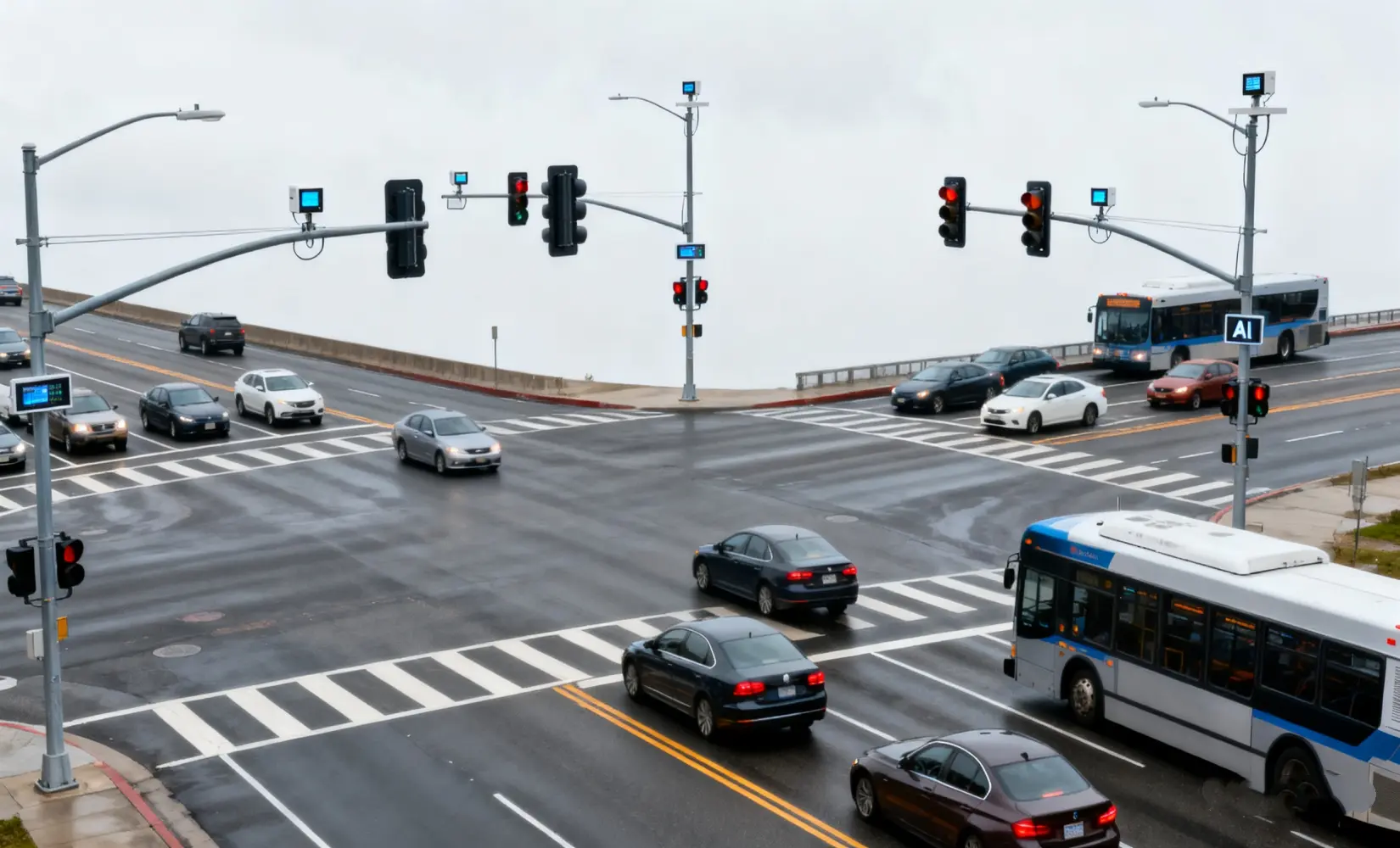
Installation Instructions And Precautions For Radar Speed Signs
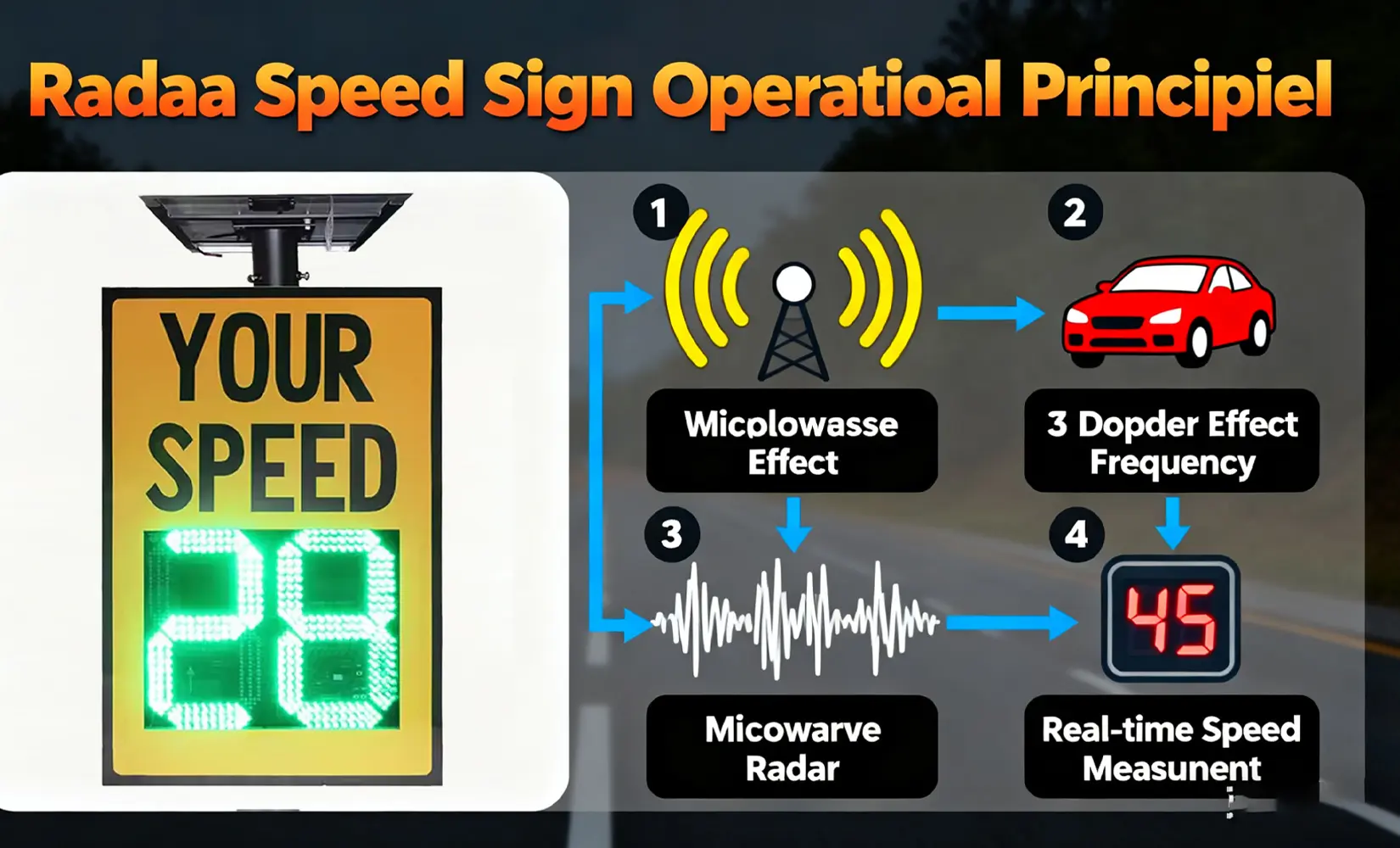
Radar speed signs, also known as Radar Speed Displays, are commonly used in road safety. Their primary function is to monitor the speed of oncoming vehicles and display it in real time, alerting drivers to speeding. The following are some installation and precautions for radar speed screens.
一、 Installation Instructions
1. Accessory Inspection:
Before beginning installation, we recommend that you unpack and carefully check that all accessories are present, ensuring nothing is missing or damaged. This will ensure a smooth installation.

2. Select the Installation Location
Select a suitable location for the radar speed camera. It should be easily visible to vehicles, unobstructed, and free from strong electromagnetic interference sources such as power substations or transmission towers.
3. Build a Sturdy Mounting Bracket
Select or construct a sturdy mounting structure based on the solar panel specifications. Ensure that the structure can withstand weather and stabilize the desired location. This mounting bracket is typically mounted on a pole with a diameter of 8-15 cm and a height of approximately 4 meters. If your pole dimensions are already determined, please communicate with us before shipment so that we can provide you with the appropriate clamps. When installing the pole yourself, ensure it is securely mounted. It is recommended that the speed camera be mounted at least 2 meters above the ground, otherwise the detection range will be affected.
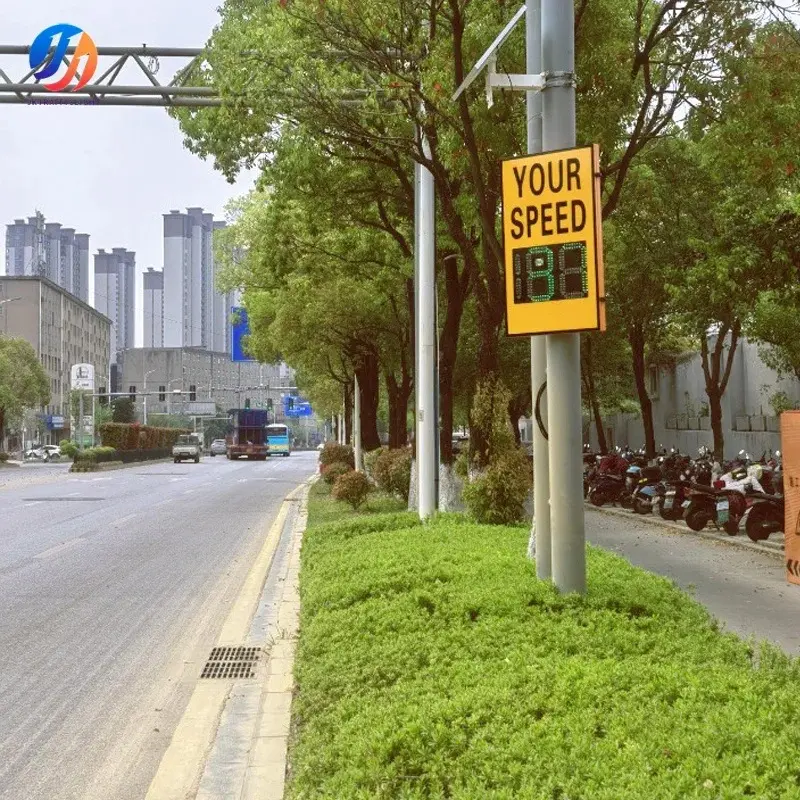
4. Install the Solar Panels
Mount the solar panels on the mounting brackets, ensuring they face south (in the Northern Hemisphere) to maximize sunlight. This step may require specialized knowledge to optimize the angle.
5. Connect the Internal Electrical System
First, connect the solar panels to the charge controller using appropriate cables. Then, connect the charge controller to the energy storage battery. Finally, connect the battery to the radar screen.
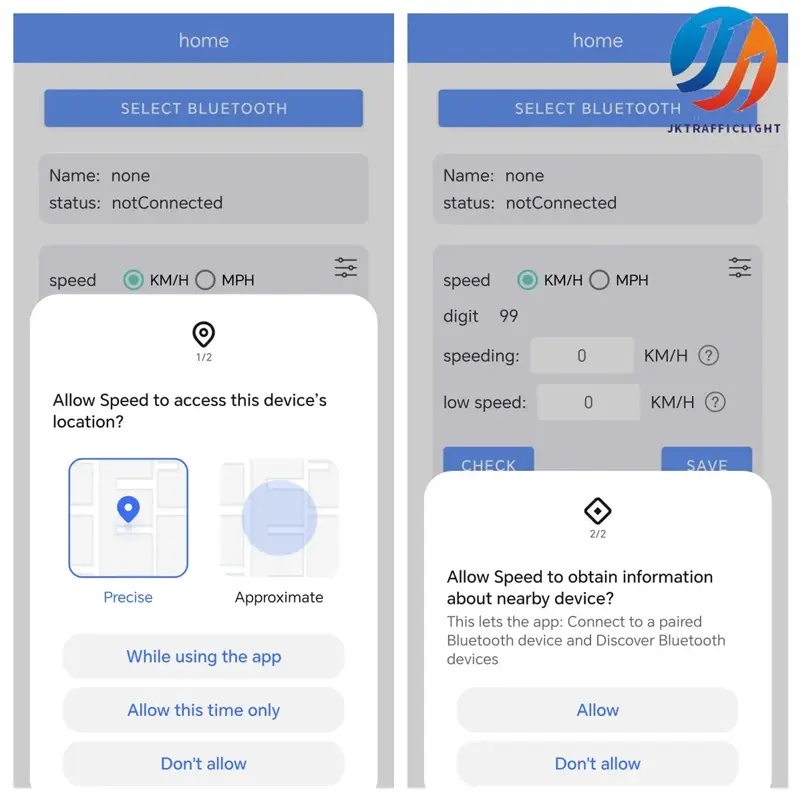
6. Install the Setting App and Conduct a Power-On Test
Download and install our radar screen Setting app (download link: https://site_0ded41ef-5803-4650-9c3f-47d31e6f3cb2/downloads/) to conduct a speed test. Perform a real-world speed test on the road to ensure the device is accurate and reliable.
二、 Precautions
1. Positioning and Installation
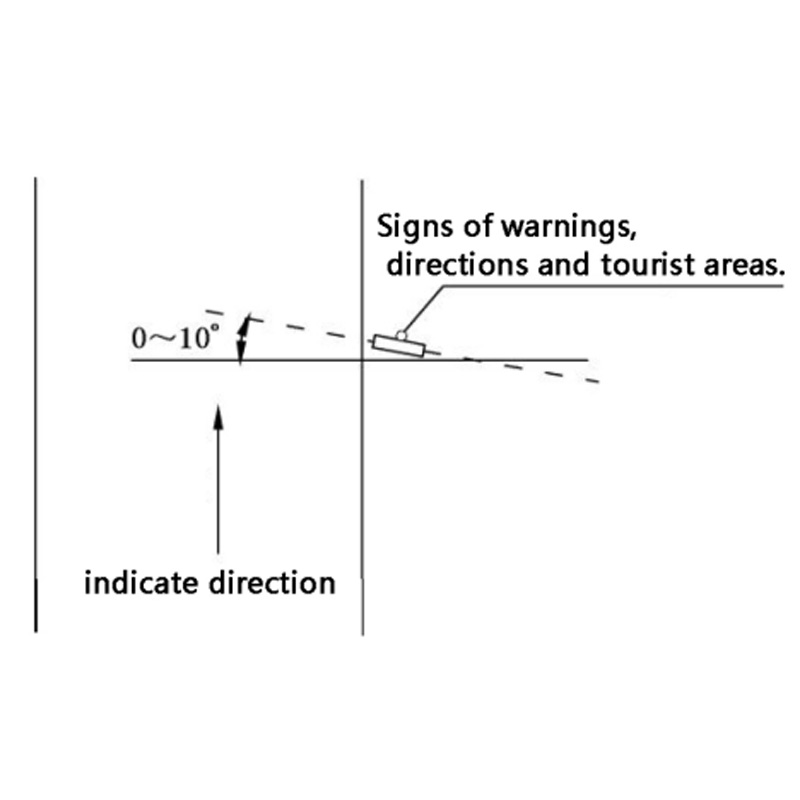
Proper installation and positioning of the radar screen are crucial. The screen should face oncoming vehicles and ensure it can receive signals from one vehicle at a time, as needed. Our radar screens are located on the right side, and the screen should be tilted 30 to 45 degrees so that the radar faces the direction of oncoming traffic.
2. Anti-Reflection and Filtering
The radar device must be positioned away from any objects that could interfere with or reflect the radar signal. These include large metal plates, glass, and other materials that could reflect radar waves, to avoid affecting the accuracy of speed measurement results.
3. Weather Factors
Extreme weather conditions such as rain, snow, frost, and high temperatures can affect the operation and lifespan of the device, so special attention should be paid to its protection and maintenance.
三、 Common Problems
1. Causes of Speed Error
Radar Speed Measurements are generally quite accurate, but sometimes they may display a lower speed than the actual vehicle speed. The following are several possible reasons for this:
2. Mounting Angle
A radar speed gun operates based on the Doppler effect. Specifically, it measures speed by emitting a signal and calculating the change in the return signal. However, if the angles of the transmitted and received signals are not directly toward the vehicle (i.e., the angle is not 90 degrees), the measured speed may be lower than the actual speed. Therefore, when using the radar speed gun, try to choose flat, straight roads and avoid using it on curves, uphill slopes, or downhill slopes.
3. Electromagnetic Interference
Radar speed guns may be subject to electromagnetic interference during use, which may affect measurement accuracy. Therefore, avoid using them near strong electromagnetic fields, such as high-voltage power lines, transformers, and electronic equipment.
4. Reasons for displaying speed even when there is no moving target
When a static object is detected, the radar gun may mistakenly identify its own pulsation or nearby static objects (such as trees or buildings) as moving objects.
5. Reasons for missed targets
Speed too low or too high: If the target's speed is beyond the radar speed gun's design range, the device may not detect the target.
Target area too small: The reflection of the radar signal depends on the size of the target. If the target is too small, such as a small bird or insect, it may not be correctly identified and the speed may not be measured.
Overall, radar speed measurements are generally very reliable, but errors can be introduced for various reasons. A skilled operator will minimize these errors and know when to trust a radar gun reading and when to doubt its accuracy.