




How Do Traffic Signs Conquer Extreme Weather?
In our daily driving, Traffic Signs are silent yet reliable guides. But have you ever wondered how they withstand the fierce assault of typhoons and the extreme cold of -20℃? This is no coincidence, but the crystallization of exquisite engineering and materials science. Let's explore the outstanding features of these road guardians.
Typhoon Resistance: A Triumph of Engineering Mechanics
When typhoons rage at speeds exceeding 100 km/h, ordinary structures may disintegrate instantly. Yet professional traffic signs withstand the storm through three core design features:
Deep Foundation Systems: Utilizing precisely calculated concrete foundations buried 2-3 meters deep, providing stable anchoring like tree roots
Aerodynamic Design: Sign panels feature honeycomb structures or streamlined designs that effectively disperse wind pressure and reduce wind resistance
High-Performance Materials: Using high-strength aluminum alloy and hot-dip galvanized steel to ensure structural integrity remains uncompromised
Extreme Cold Resistance: A Breakthrough in Materials Science
In extremely cold regions such as Siberia and Canada, a low temperature of -20℃ can make ordinary plastics as brittle as glass. However, professional traffic signs maintain their toughness through low-temperature resilient materials, preventing them from cracking at low temperatures. Professional traffic signs adopt an anti-freezing sealing design: a multi-layer sealing process prevents water from entering and avoids material expansion damage caused by freezing. The cold-resistant reflective film on the surface of the signboard is made by multi-layer co-extrusion technology and special plasticizers are added. It can maintain its extensibility even in extremely cold conditions, ensuring clear reflection when illuminated by vehicle lights at night.
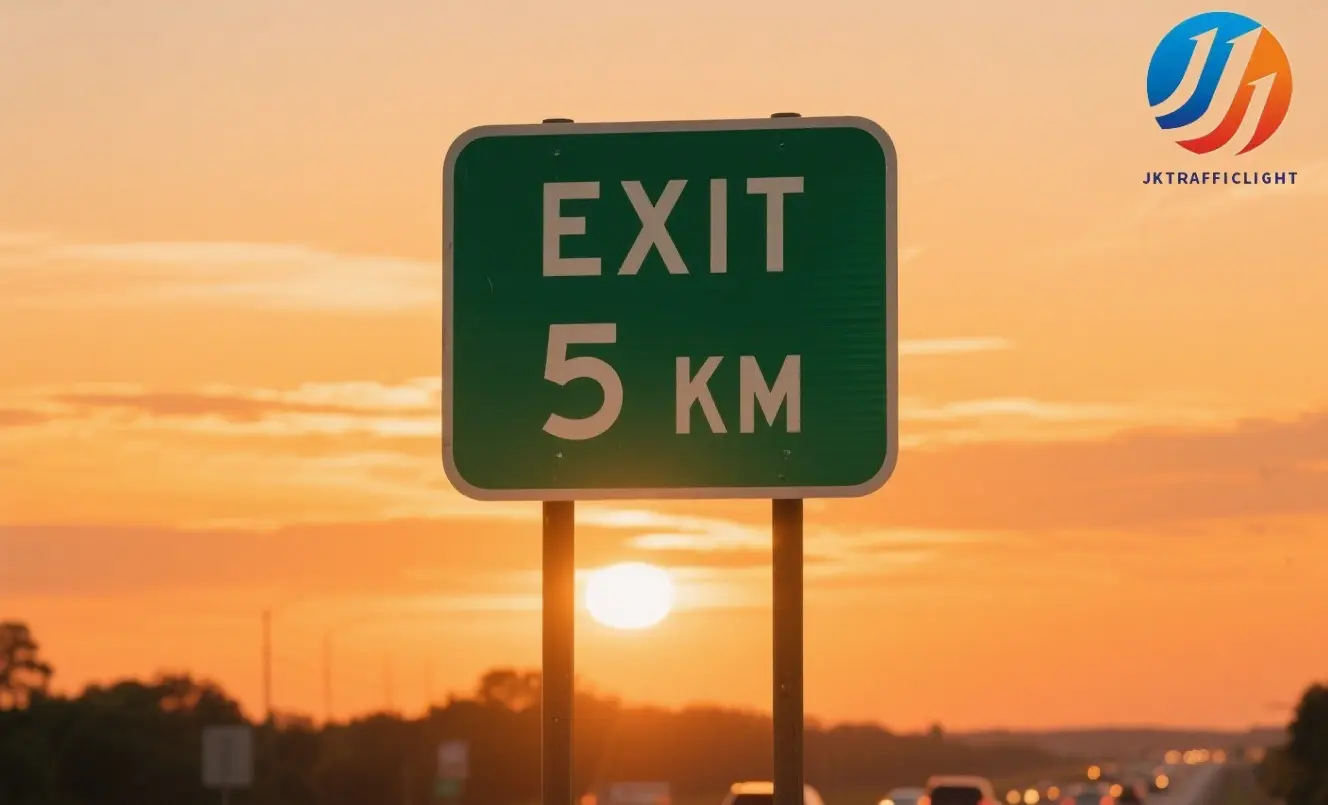
Every detail of the signboard is scientifically designed based on the principles of human vision. According to the U.S. Federal Standards (MUTCD), for interstate highways, the font height of major Road Signs (such as exit instructions) is typically 15 inches. In some states, it can be increased to 18 inches based on terrain or vehicle speed. Such a font size can be visually recognized normally, leaving sufficient reaction time for drivers.
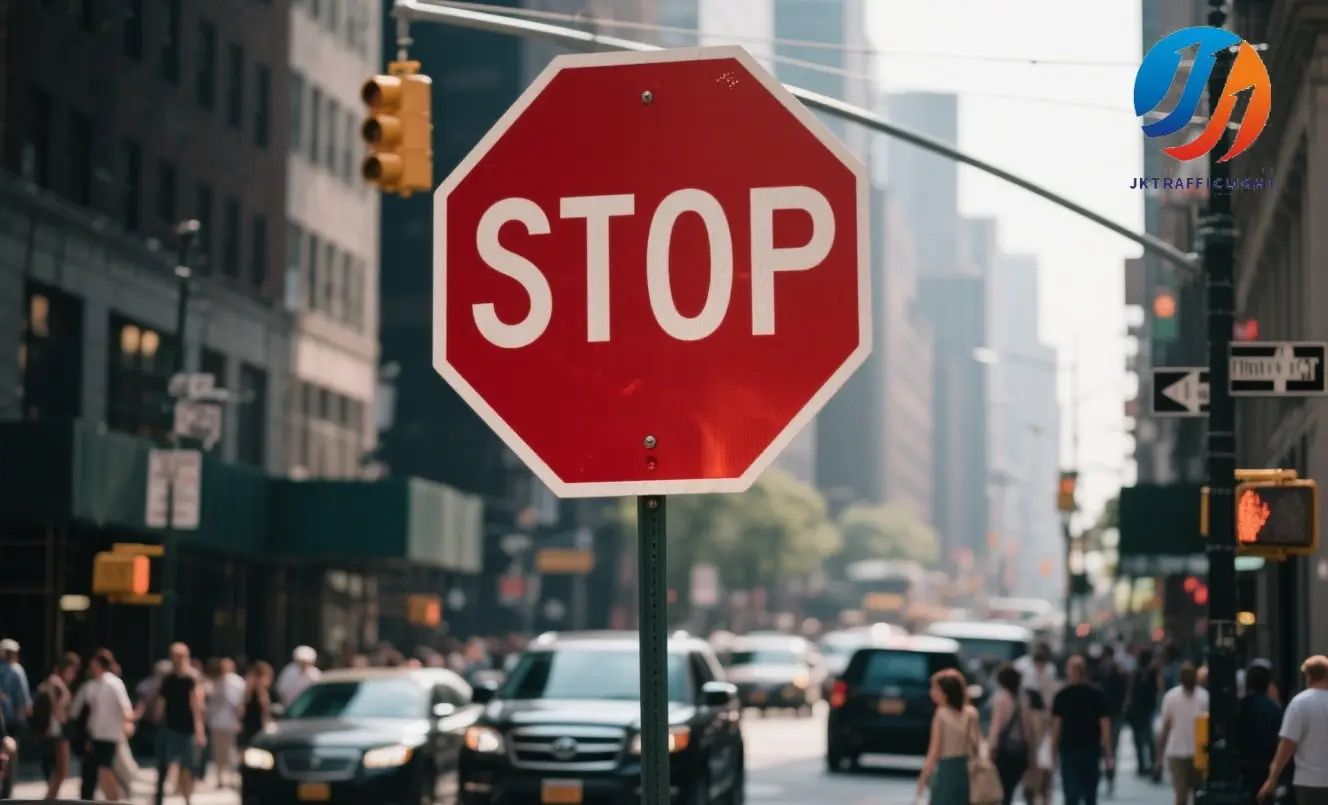
Every traffic sign that withstands extreme weather represents a solemn commitment to safety. Choosing high-quality traffic facilities that meet international standards means building a strong line of defense for road safety.