2026 How to Understand Traffic Signal Functionality and Use It Safely?
Understanding traffic signal functionality is essential for safe navigation on our roads. Traffic signals play a critical role in managing vehicle and pedestrian movement. These signals help to prevent accidents and ensure a smoother flow of traffic. Yet, many people underestimate their importance.
Traffic signals use colors to relay messages. Red means stop, green means go, and yellow warns of caution. However, not everyone fully grasps these signals. People may rush through intersections or misinterpret the signals. This creates risks not only for drivers but also for pedestrians.
Moreover, some may ignore pedestrian signals, leading to dangerous situations. Drivers might not always see pedestrians waiting to cross. Observing traffic signals carefully can save lives. Learning to understand and respect these signals is a responsibility of every road user. Reflection on our behaviors at intersections can lead to safer outcomes for all.
Understanding Traffic Signal Basics and Their Purpose
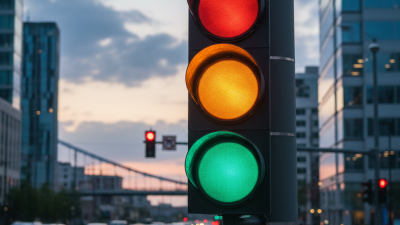
Understanding traffic signals is essential for everyone on the road. They help manage vehicle and pedestrian movement. A red light means stop. A green light means go. Yellow lights warn drivers to prepare to stop. These signals prevent chaos at intersections and ensure safety.
Tips for using traffic signals wisely: Always check for pedestrians. Some might cross unexpectedly, even on a green light. Be aware of how long signals last. Sometimes, they change faster than expected. If you miss a light, don’t rush. Stay calm and wait for the next signal.
Remember, not all drivers follow the rules. Some may run red lights or ignore stop signs. Keep monitoring your surroundings. Stay alert to avoid accidents. A simple moment of distraction can lead to serious consequences. Stay focused and respect the signals. They are there for your safety.
2026 How to Understand Traffic Signal Functionality and Use It Safely?
| Signal Type |
Color Meaning |
Duration (Typical seconds) |
Usage Instructions |
| Red Light |
Stop |
30-120 |
Come to a complete stop. Do not enter the intersection. |
| Green Light |
Go |
30-60 |
Proceed through the intersection with caution. |
| Yellow Light |
Caution |
3-6 |
Prepare to stop if it is safe to do so. Don't enter the intersection. |
| Flash Yellow Light |
Proceed with Care |
N/A |
Use caution while proceeding through the intersection. |
| Pedestrian Signal |
Walk/Don't Walk |
N/A |
Follow signals to cross safely; wait for 'Walk' signal. |
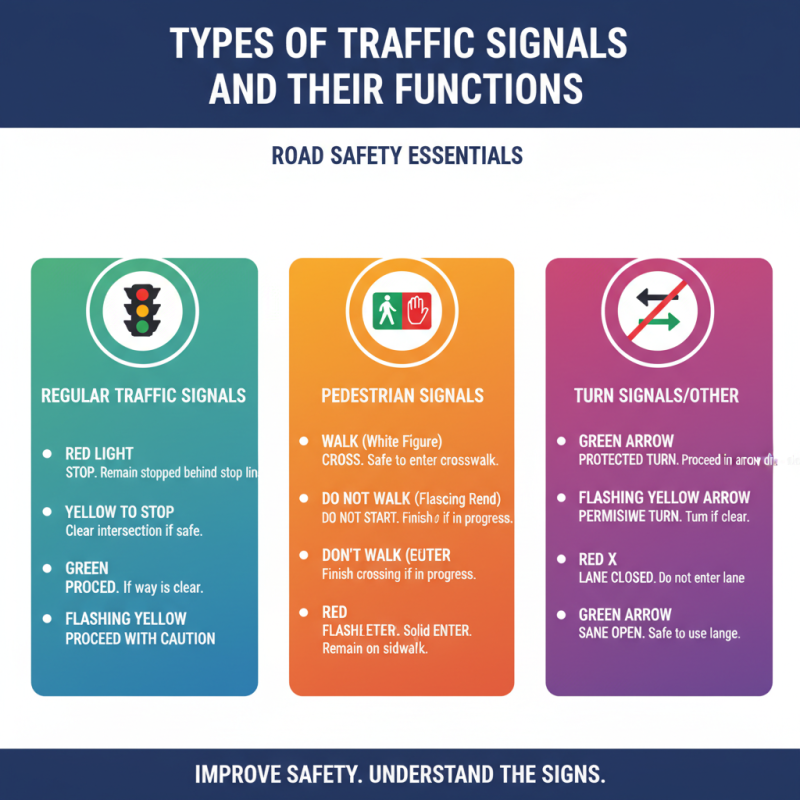
Types of Traffic Signals and Their Functions
Traffic signals are essential for road safety. They regulate vehicle and pedestrian movement. Understanding their types can improve safety.
There are three main types of traffic signals: red, yellow, and green. A red light means stop. Vehicles and pedestrians must wait until the light changes. Yellow signals caution. They indicate that the light will soon turn red. Green lights mean go. However, always check for pedestrians and other vehicles.
Tips: When approaching a traffic signal, slow down. Be prepared to stop, especially if the light is yellow. Always look both ways before proceeding on green. Remember, not all drivers obey signals. Stay alert and be cautious. Reflect on your driving habits. Are you too focused on speed? Slowing down can save lives.
How Traffic Signals Control Vehicle and Pedestrian Movement
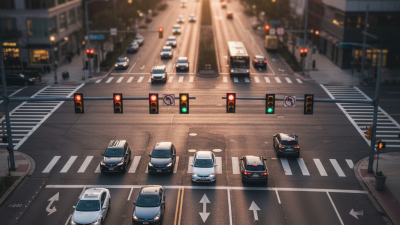
Traffic signals play a crucial role in managing the flow of vehicles and pedestrians. They ensure safety at intersections. When the light turns green, vehicles begin to move. However, pedestrians often remain cautious and wait for their turn. Understanding these signals can prevent accidents.
Here are some tips for drivers: always observe the traffic lights. A yellow light means prepare to stop. Rushing through can lead to serious consequences. Maintain a safe distance from other vehicles. This ensures you have enough time to react if something goes wrong.
For pedestrians, timing is key. Wait for the green pedestrian signal. Look both ways before crossing, even if the light is green. It's important to be aware of your surroundings. Sometimes drivers may not see you.
Traffic signals are not flawless. They can malfunction or be ignored. This can cause confusion. Reflect on your actions and always stay alert. Safety should be your top priority, whether you're driving or walking.
Common Traffic Signal Errors and How to Recognize Them
Traffic signals are essential for safe driving, but they can sometimes malfunction. Recognizing common errors helps ensure road safety. One familiar issue is a stuck red light. Drivers may wait longer than expected. This can cause frustration and confusion, leading to potential accidents. Paying close attention to surrounding traffic is crucial in these scenarios.
Another common error is when traffic lights change unexpectedly. Drivers might find themselves in the middle of an intersection as the light turns yellow. This situation requires careful judgment. Some might speed up to clear the intersection, while others may hesitate. Both actions carry risks.
Flashing traffic signals also pose challenges. A flashing red light indicates a stop, similar to a stop sign. Yet, many drivers forget to stop. This oversight can lead to collisions. Vigilance is key. Always be aware of your surroundings, remain cautious, and drive defensively, especially when signal behavior seems inconsistent.
Understanding Traffic Signal Functionality: Common Errors
This chart illustrates the percentage of common errors associated with different types of traffic signals. Understanding these errors can help improve road safety and ensure proper adherence to traffic rules.
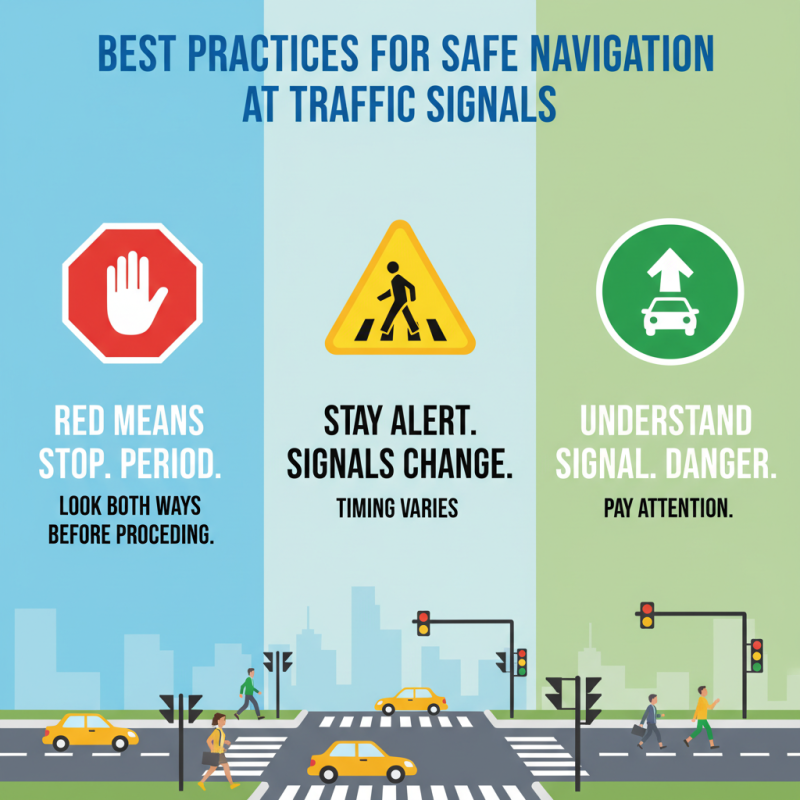
Best Practices for Safe Navigation at Traffic Signals
Navigating through traffic signals requires attention and understanding. Many drivers and pedestrians glance at signals without fully comprehending their meanings. Red means stop, but it’s essential to look both ways before proceeding. This habit can prevent dangerous encounters. The timing of signals varies; some change quickly, so staying alert is crucial.
Pedestrians face their own challenges. It’s easy to be distracted by phones. Make it a point to look for the pedestrian signal before crossing. Look for the walk sign, yet always check for cars. Not all drivers respect the signals. Some might run a red light, putting you at risk.
Consider learning pedestrian phases in your area. Every city may have different rules. Familiarizing yourself with local traffic patterns can help avoid miscommunication. Traffic signals guide us, but they are not foolproof. Awareness and caution reduce risks significantly on the road.