How to Understand Traffic Signal Colors and Their Meanings?
Understanding traffic signal colors is essential for safe driving. Traffic signals play a vital role in managing road safety. They communicate important information to drivers, ensuring everyone knows when to stop or go.
The three primary colors—red, yellow, and green—carry distinct meanings. Red indicates a complete stop, while green signals that it is safe to proceed. Yellow serves as a warning to slow down and prepare to stop. However, many drivers overlook these signals, leading to confusion and danger.
Recognizing the meaning behind each color is crucial for responsible road use. Misunderstanding traffic signals can result in serious accidents. Awareness and attentiveness are paramount. Regularly reflecting on how you respond to these signals can enhance your driving practices and overall safety.
Understanding the Basics of Traffic Signal Colors
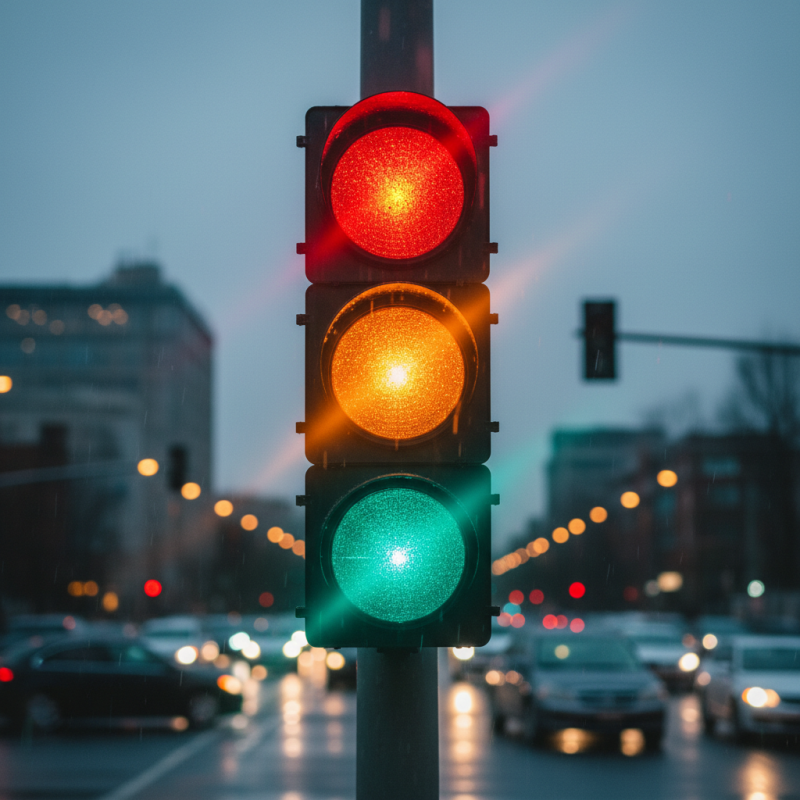
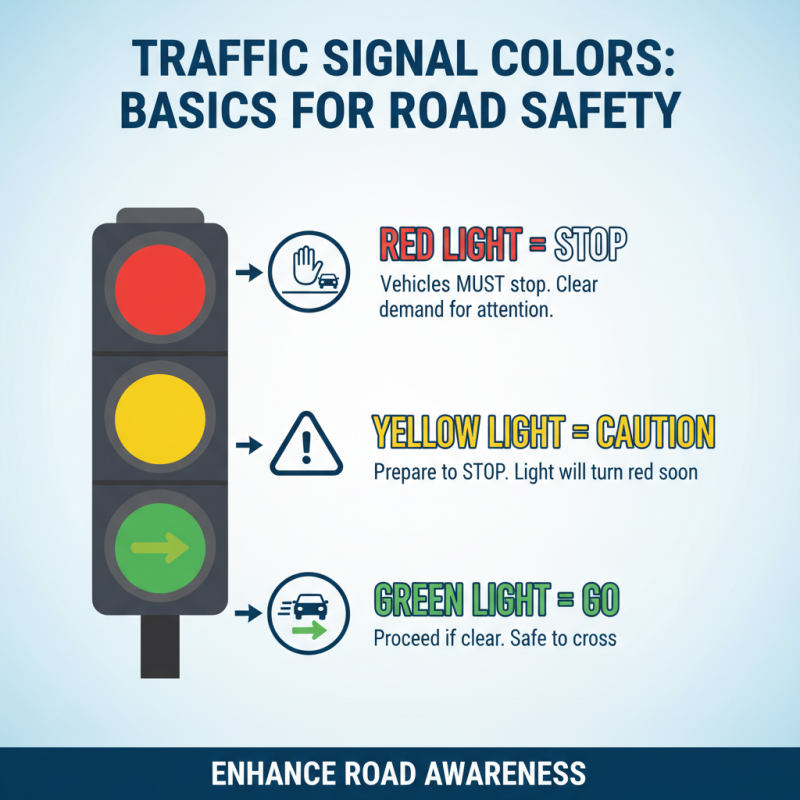
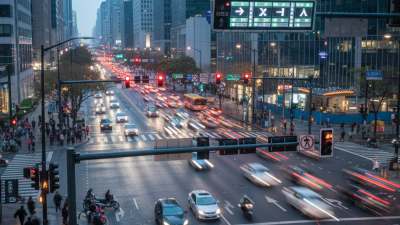
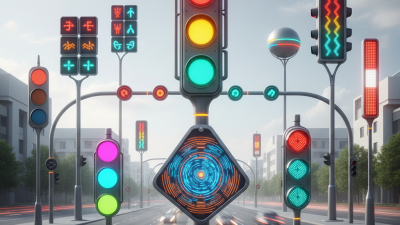
Traffic signals play a crucial role in road safety. Understanding their colors can enhance your awareness while driving or crossing streets. The three main colors—red, yellow, and green—each convey essential information. A red light indicates that vehicles must stop. This color is clear and demands attention. Yellow signifies caution, warning drivers to slow down or prepare to stop as the light will soon turn red.
Green allows vehicles to proceed. However, it’s essential to remain vigilant. Sometimes a green light doesn't guarantee safety. Always check for pedestrians or cyclists before proceeding. Lights can malfunction, so maintain caution even when green.
Tips: Always pay attention to traffic signals. Treat every green light as a potential hazard. A moment of distraction can lead to accidents. In addition, consider practicing patience at yellow lights. Rushing can cause mistakes. Building awareness of traffic signals can save lives.
The Meaning of Red Traffic Signals and Their Importance
Red traffic signals are vital in traffic management. They signify a complete stop for vehicles and pedestrians. Understanding this meaning is crucial for road safety. Ignoring red signals can lead to accidents and injuries.
When a driver sees a red light, it’s essential to stop behind the white line. Keeping a safe distance from the intersection is also wise. This ensures that the vehicle remains clear of crosswalks and allows pedestrians to cross safely.
Tips for safe driving at red signals include checking mirrors before stopping and remaining alert for emergency vehicles. Drivers should also avoid phone distractions while waiting. Reflecting on past experiences can improve future decision-making, ensuring safer roads for everyone.
Interpreting Yellow Traffic Signals: Caution and Alertness
Yellow traffic signals are crucial for ensuring safety on the roads. They indicate a transition period, prompting drivers to prepare for a stop. When you see a yellow light, it's essential to slow down and assess your surroundings. This moment often requires quick thinking and alertness.
Drivers sometimes misinterpret yellow signals. Some may rush through intersections, thinking they have enough time. Others may stop too abruptly, causing hazards for vehicles behind them. Understanding the true meaning of a yellow light can prevent accidents. This cautionary phase is not just a suggestion; it's vital for road safety.
Being attentive to yellow signals helps cultivate good driving habits. It encourages a proactive mindset while on the road. Familiarizing yourself with these indicators reinforces traffic rules. Remember, a moment of patience can save lives and avert dangerous situations. Always strive to respect traffic signals, reflecting on your driving decisions.
Understanding Traffic Signal Colors and Their Meanings
| Signal Color |
Meaning |
Action to Take |
Duration |
| Red |
Stop |
Come to a complete stop and wait |
Varies by traffic situation |
| Yellow |
Caution |
Prepare to stop |
Typically 3-5 seconds |
| Green |
Go |
Proceed with caution |
Varies by traffic situation |
| Flashing Yellow |
Proceed with caution |
Slow down and yield to pedestrians |
Continuous flashing |
| Flashing Red |
Complete stop required |
Treat as a stop sign |
Continuous flashing |
The Significance of Green Traffic Signals for Drivers and Pedestrians
Green traffic signals play a crucial role in managing road safety. For drivers, it signals permission to proceed, fostering a smoother flow of traffic. When a driver sees green, the instinct is to accelerate. However, this should be done with caution. Understanding that pedestrians may still be crossing is crucial.
Pedestrians rely heavily on green signals. When they see the green light, it indicates a safe window to cross the street. However, not all drivers respect these rules. Sometimes, drivers may not stop, leading to dangerous situations. Awareness of one’s surroundings remains vital for pedestrians, even when the light is in their favor.
Both groups have responsibilities. Drivers must remain vigilant, looking out for those crossing. Pedestrians should ensure they have full visibility and not rush. Green signals are an invitation to move, but care is always necessary. Reflecting on these moments can improve safety for all on the roads.
Common Misunderstandings About Traffic Signal Colors and Their Usage
Traffic signal colors are often misunderstood. Many believe that red solely means "stop," failing to recognize its importance in controlling traffic flow. According to the U.S. Department of Transportation, improperly following these signals contributes to over 50% of traffic accidents annually.
Most drivers react instinctively to the colors. This can lead to dangerous situations, particularly when yellow signals are perceived just as a warning. A yellow light should signal caution, not just speed to cross.
Another common misconception is that green means "go" without hesitation. However, this can cause issues; many drivers neglect to check for pedestrians or cyclists. A study conducted by the Insurance Institute for Highway Safety highlighted that over 40% of pedestrian accidents occur at intersections, often when drivers misinterpret green signals. It's crucial to understand that each color serves a specific purpose beyond its surface meaning.
Misunderstandings can lead to accidents, highlighting the need for better driver education on these signals. Understanding traffic lights involves more than just color recognition; it's about recognizing their deeper implications for safety.