Top 10 Types of Traffic Signals Explained for Efficient Road Safety?
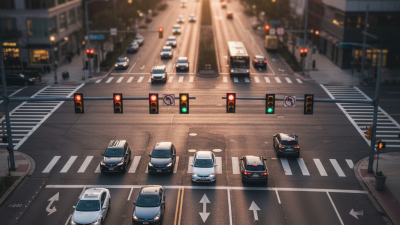
Traffic signals are essential for maintaining order on our roads. These signals guide drivers, cyclists, and pedestrians, ensuring safety for all. Various types of traffic signals exist, each designed for specific situations. Understanding these signals can significantly reduce accidents.
For instance, traditional red, yellow, and green lights are well known. However, there are signals like pedestrian crossing lights and countdown timers. These types enhance clarity and awareness. Some roads use dynamic signals that change based on traffic flow. This adaptability helps prevent congestion and accidents.
Despite the technology, not all drivers pay attention to traffic signals. This oversight can lead to dangerous situations. Misunderstanding the purpose of certain signals can also pose risks. Continued education about traffic signals is crucial. It can empower road users to make safer choices every day.
Types of Traffic Signals: An Overview of Their Functions
Traffic signals play a vital role in regulating road safety and traffic flow. There are several types of traffic signals, each designed for specific situations. For instance, red signals indicate a complete stop, while green lights allow drivers to proceed. Yellow signals warn of upcoming changes, urging caution. Pedestrian signals help ensure safe crossings, often using symbols or specific countdowns.
Flashing signals, found in various forms, can indicate urgency. These may be used in construction zones or to alert drivers of hazards. Some intersections deploy advanced signals that adjust timing based on real-time traffic patterns. However, not all signals function as intended. Miscommunication or malfunctioning signals can lead to accidents. Understanding how each signal operates is crucial for safe driving.
Signal visibility is another factor to consider. Weather conditions can obscure signals, making them harder to see. Regular maintenance is essential to keep signals clear and functioning. Drivers should not rely solely on signals but also watch for other indicators on the road. Continuous improvement in traffic signal technology is essential for safer streets. Balancing efficiency and reliability remains a challenge.
Top 10 Types of Traffic Signals Explained for Efficient Road Safety
This bar chart illustrates the frequency of usage for different types of traffic signals, highlighting their importance in ensuring efficient road safety. Traffic lights and warning signs are used the most, while specialized signals like bicycle signals have a lower frequency but are crucial for specific road users.
Red Signal: Understanding Stop Indicators and Their Importance
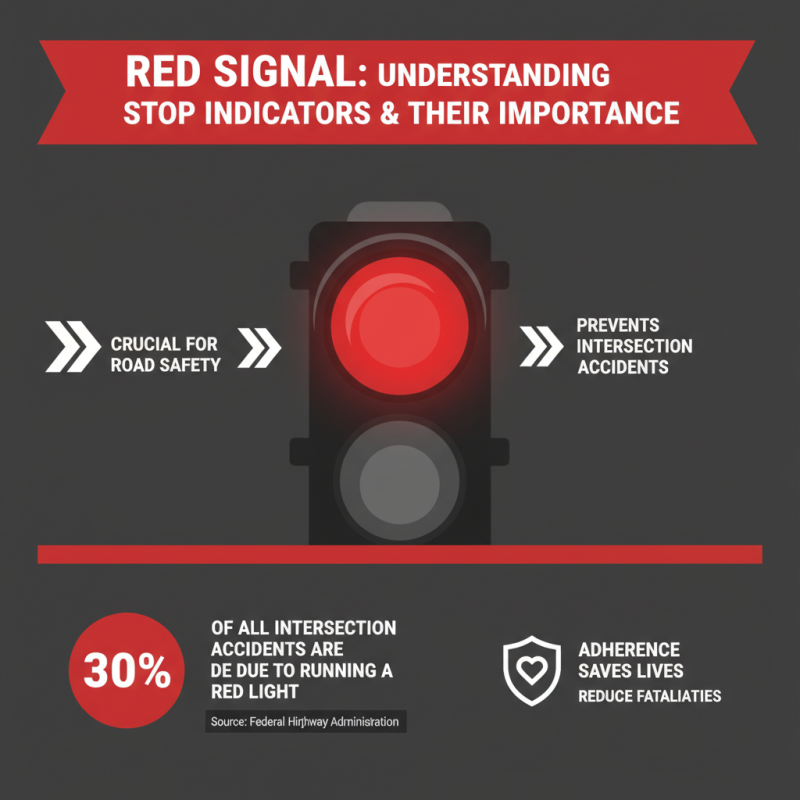
The red traffic signal serves a crucial purpose in road safety. It signals drivers and pedestrians to stop, preventing accidents at intersections. According to the Federal Highway Administration, running a red light contributes to nearly 30% of all intersection accidents in the United States. This statistic highlights the importance of adhering to stop indicators, which can significantly reduce fatalities.
When a red light appears, it is not just a reminder to halt. It is a mechanism designed to manage traffic flow and protect lives. A study by the Insurance Institute for Highway Safety shows that red-light running enforcement programs can reduce violations by 40%. However, public compliance is not always consistent. Many drivers still disregard signals, leading to dangerous situations.
Understanding the significance of stop indicators goes beyond mere compliance. It requires a collective commitment from drivers and pedestrians alike. Education around the importance of these signals is critical. Comprehensive campaigns can increase awareness, but there is still a gap in actual behavior change. Continuous efforts are necessary to foster a culture of safety on our roads.
Green Signal: Promoting Safe Movement for Vehicles and Pedestrians
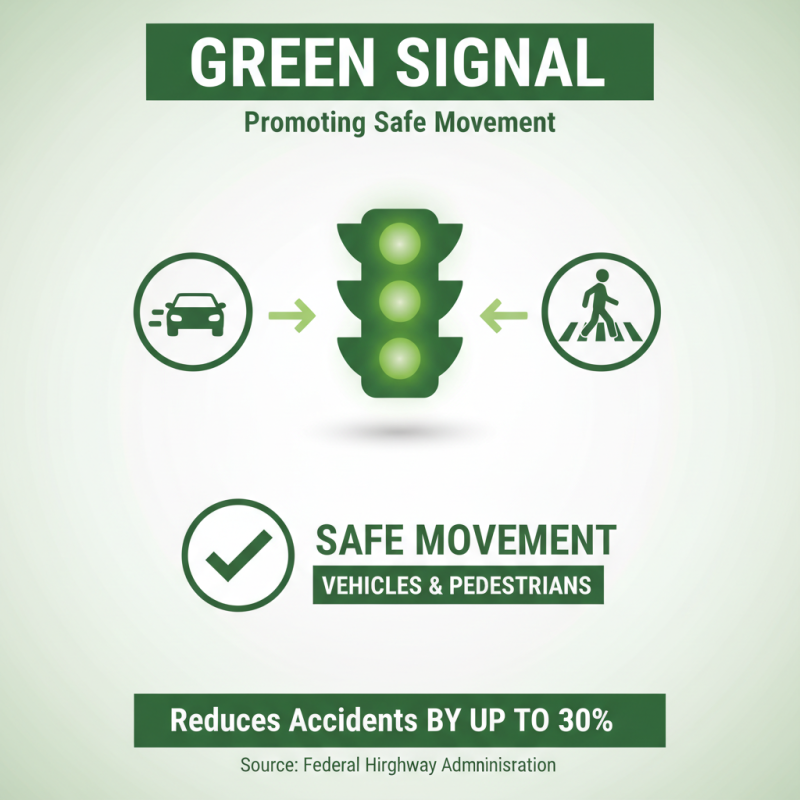
The green signal is a critical component of traffic management. It serves as a key indicator for safe movement for both vehicles and pedestrians. Research from the Federal Highway Administration reveals that efficient traffic signals can reduce accidents by up to 30%. This makes the green signal a vital element for road safety.
As vehicles move, countless pedestrians also cross streets. A well-timed green signal allows for smooth transitions. Unfortunately, not all intersections utilize this effectively, leading to confusion and unexpected hazards. For instance, a study in 2022 indicated that 25% of pedestrian accidents occur when signals are mismanaged. Such statistics emphasize the need for regular assessments of signal systems.
Despite advancements in traffic technology, some areas still face challenges. Signal timing may not consider pedestrian flow adequately, posing risks. This gap highlights the importance of ongoing dialogue among urban planners and safety experts. Striving for improvement in these systems can foster a safer environment for everyone on the road.
Yellow Signal: The Role of Caution in Traffic Management
The yellow signal holds significant importance in traffic management. It serves as a warning that the light is about to change. In fact, studies show that yellow signals decrease accident rates when drivers properly heed their warning. According to industry reports, about 20% of traffic accidents occur at intersections, and inappropriate reactions to yellow lights contribute to many of these incidents.
Drivers often misjudge the appropriate response to a yellow light. A report from the Traffic Safety Institute notes that nearly 25% of drivers enter an intersection on yellow signals when they should be stopping. This behavior leads to an increased risk of collisions, particularly in busy urban areas. The message from yellow signals is clear: exercise caution.
The timing of yellow lights can vary, adding to the confusion. Some municipalities set yellow lights for just 3 seconds, while others extend it to 6 seconds. A shorter duration may not allow enough time for all vehicles. This inconsistency can result in traffic violations and accidents. It's crucial for policymakers to standardize yellow signal timings to promote safer driving behaviors.
Top 10 Types of Traffic Signals Explained for Efficient Road Safety - Yellow Signal: The Role of Caution in Traffic Management
| Traffic Signal Type |
Description |
Common Usage |
Importance for Safety |
| Red Signal |
Indicates to stop |
At intersections |
Prevents collisions |
| Green Signal |
Indicates to proceed |
At intersections |
Facilitates traffic flow |
| Yellow Signal |
Indicates caution |
Before red signal |
Encourages safe stopping |
| Flashing Red Signal |
Treat as stop sign |
High-risk areas |
Increases awareness |
| Flashing Yellow Signal |
Proceed with caution |
Construction zones |
Alerts drivers |
| Pedestrian Signal |
Indicates walk/don't walk |
Crosswalks |
Protects pedestrians |
| Arrow Signal |
Indicates allowed turn |
Intersections |
Clarifies turning rules |
| Railroad Signal |
Alerts of trains |
Near tracks |
Prevents accidents |
| Traffic Camera Signal |
Monitors traffic rules |
Highway, city roads |
Encourages compliance |
Pedestrian Signals: Enhancing Safety for Foot Traffic at Intersections
Pedestrian signals play a crucial role in ensuring safety at intersections. These signals provide clear visual cues to pedestrians, indicating when it is safe to cross the street. Typically, they utilize symbols like the walking person and the raised hand. The green walking figure signifies that it's safe to proceed, while the red hand warns of danger.
While pedestrian signals are designed to enhance safety, their effectiveness can vary. In some urban areas, the timing of these signals may not align with foot traffic patterns. This inconsistency can lead to confusion. For example, a pedestrian might see a green signal but still hesitate if crossing feels unsafe due to nearby vehicles.
Visibility is another important factor. Poorly lit signals or those obscured by signage can fail to catch the attention of pedestrians. Regular maintenance is essential for ensuring that the signals function properly. Cities can improve pedestrian safety by assessing these signals regularly. Addressing these shortcomings can foster a safer environment for everyone navigating busy intersections.