Top Traffic Signal Types Explained for Effective Street Navigation?
Traffic signals are vital components of modern urban infrastructure. They guide traffic flow and enhance safety on the roads. Understanding various traffic signal types can significantly improve street navigation. Each type serves a specific purpose, catering to different traffic conditions.
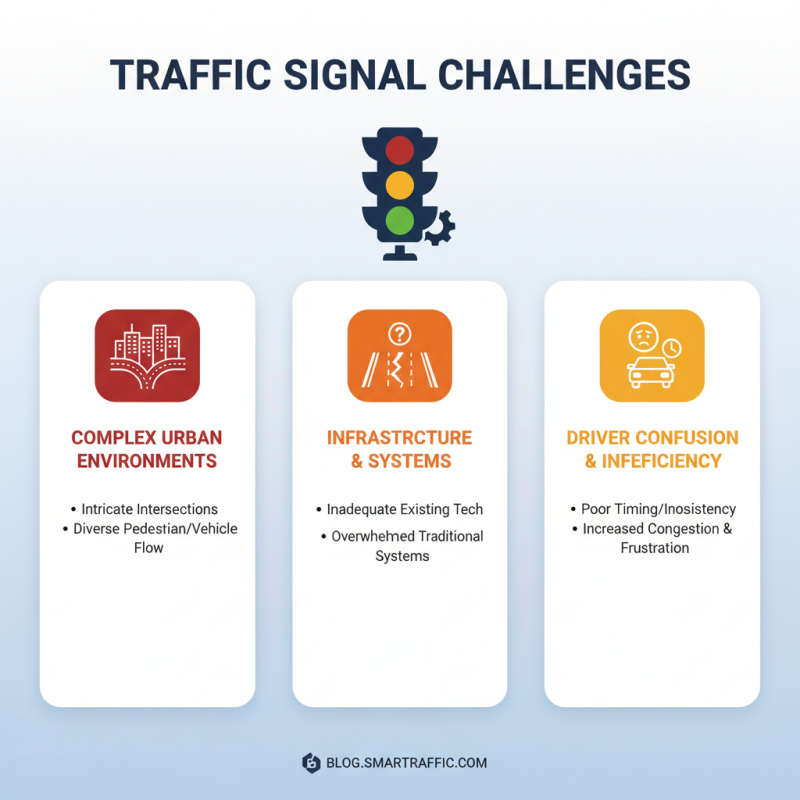
In many cities, not all traffic signals function optimally. Some may fail to adapt to changing conditions. This inconsistency can frustrate drivers. It can also create hazards for pedestrians. For instance, a standard red-light signal might not be enough in heavy traffic situations. More advanced systems, like adaptive signals, can adjust in real-time, improving efficiency.
However, even well-designed traffic signals can have flaws. Users might underestimate their importance. Neglecting to observe or comprehend signals can lead to accidents. Therefore, knowing the types of traffic signals is crucial for everyone on the road. Awareness can enhance not only personal safety but also the safety of others.

Types of Traffic Signals: An Overview of Their Functions and Uses
Traffic signals play a crucial role in managing road safety and efficiency. Different types of traffic signals serve distinct functions. For instance, red, yellow, and green lights dictate the flow of vehicles and pedestrians. These basic signals are crucial for smooth traffic management. Research shows that traffic signals reduce accidents by 40% at critical intersections.
In addition to standard signals, there are pedestrian signals and flashing beacons. Pedestrian signals offer clear guidance. They help individuals cross busy streets safely. Flashing beacons, often seen at school zones, alert drivers to slow down. Reports indicate that such measures can lower pedestrian accidents by 35%. However, these signals sometimes malfunction or are ignored, leading to confusion and potential hazards.
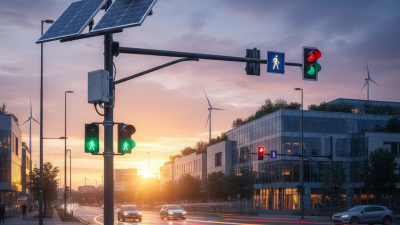
Smart traffic signals are an emerging trend. These use data to adjust signal timing in real-time. They aim to improve traffic flow and reduce congestion. A study noted that smart systems could enhance traffic efficiency by up to 30%. But challenges remain. Not every city has the resources to implement this technology. It requires constant maintenance and updates to be effective.
Understanding Traffic Signal Colors: What Each Color Signifies
Traffic signals play a critical role in maintaining order on our streets. Understanding their colors can greatly aid in effective navigation. Red, yellow, and green are the primary colors used. Each color conveys a specific message to drivers and pedestrians. According to the Federal Highway Administration, red signals indicate a complete stop. Drivers must come to a full halt at intersections and be alert for potential pedestrians.
Yellow signals warn of an impending stop. This color indicates that the light is about to change to red. Many drivers misinterpret this as a cue to speed up. A recent study showed that nearly 20% of motorists fail to slow down at yellow lights. This can lead to dangerous situations. Green signals permission to go. However, drivers should still look out for pedestrians. Reports indicate that pedestrian accidents often happen at green lights, as people assume vehicles will always stop.
Despite these color standards, confusion still exists. Some drivers do not fully grasp the meanings of each signal. Educational campaigns are essential to improve understanding. Increased awareness could help reduce accidents and enhance road safety. Data shows that locations with clear signal signage have 30% fewer traffic incidents. Without proper comprehension of signals, streets remain perilous. We must strive for a safer driving environment through better education and awareness.
Understanding Traffic Signal Colors: What Each Color Signifies
The Role of Traffic Signal Timing in Street Navigation Efficiency
Traffic signal timing plays a crucial role in how efficiently streets operate. Well-timed signals help reduce congestion and improve safety. When signals change quickly, it can lead to frustration among drivers. Sometimes, these changes are too abrupt, causing unexpected stops. Urban planners must consider these aspects when designing signal systems.
Tips for better navigation: Always stay alert at traffic lights. If you notice a signal turning yellow, prepare to stop. This awareness can prevent last-minute brakes. It is essential to understand that signals are designed for optimal flow. However, not every intersection operates perfectly. You may encounter delays or confusing light patterns.
In busy areas, signals may be timed to prioritize public transit. This can lead to longer waits for personal vehicles. Evaluate your route and consider alternative pathways. Sometimes, navigating around an intersection can save time. Observing patterns and trends in traffic signals can aid in planning your journey effectively.
Top Traffic Signal Types Explained for Effective Street Navigation
| Signal Type |
Description |
Timing Efficiency (Seconds) |
Common Uses |
| Traditional Signal |
Standard traffic light used worldwide. |
30 |
Intersections, pedestrian crossings |
| Flashing Signal |
Utilized to indicate caution at intersections. |
20 |
Areas with high accident rates |
| Pedestrian Signal |
Informs pedestrians when to cross. |
15 |
Crosswalks, school zones |
| Adaptive Signal |
Adjusts timing based on traffic flow. |
Varies |
Busy urban areas, rush hour |
| Roundabout Signal |
Controls traffic entering and exiting roundabouts. |
25 |
Roundabouts, intersections |
Innovative Traffic Signal Technologies: Enhancements in Safety and Flow
Innovative traffic signal technologies play a critical role in enhancing safety and flow at intersections. For instance, adaptive traffic signals adjust their timing based on real-time traffic conditions. These systems can reduce waiting times by up to 30%, according to a report by the Institute of Transportation Engineers. Such adaptability leads to more efficient street navigation.
Incorporating pedestrian and cyclist priority signals is another notable advancement. These signals offer dedicated time for vulnerable road users, promoting safety. A study by the National Academy of Sciences found that implementing these features resulted in a 15% decrease in accidents involving non-motorized users. However, cities often face challenges implementing these systems, primarily due to costs and the need for extensive infrastructure updates.
Another innovation includes connected vehicle technology. This system allows vehicles to communicate with traffic signals, anticipating changes in light cycles. A recent survey highlighted that 70% of urban residents support these advancements. Despite the exciting prospects, there are concerns. Privacy issues and the potential for technical glitches remain significant hurdles. Balancing innovation and security will be vital for future developments in this field.