Top 10 Traffic Signal Designs That Enhance Road Safety and Efficiency?
Traffic signals play a crucial role in road safety and traffic management. They guide vehicles and pedestrians, ensuring a smoother flow on busy streets. In recent years, innovative designs have emerged, aiming to enhance efficiency and reduce accidents. These designs prioritize clarity and visibility, which is essential for safe driving.
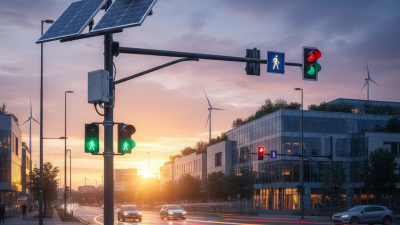
Some traffic signal designs incorporate bright colors and unique shapes. This makes them more noticeable in various weather conditions. Others may use advanced technology, like sensor-based systems, to adjust signal timing based on real-time traffic conditions. This adaptability can minimize delays and improve overall traffic flow.
While many designs are effective, not all solutions fit every context. A signal that works well in a busy urban area may not be suitable for a quiet suburban neighborhood. This inconsistency raises questions about universal design principles. As we explore the top traffic signal designs, remembering that improvements can always be made is essential. Road safety is an ongoing challenge, and only through innovation can we strive for a safer future.
Top 10 Traffic Signal Designs That Enhance Road Safety and Efficiency
Traffic signals play a crucial role in managing road safety and traffic flow. Some designs incorporate advanced technology, such as adaptive signal control. These systems can adjust timing based on real-time traffic conditions. They promote smoother flows and reduce idle time. Yet, many older designs still operate on fixed schedules, causing unnecessary delays.
Another innovative design involves countdown timers for pedestrians. This feature helps individuals gauge how much time they have to cross safely. It fosters better decision-making. However, not all intersections have implemented this technology. Some continue to rely on traditional signals, which can confuse pedestrians. Enhancing these signals could greatly impact safety.
Additionally, integrated signals that communicate with vehicles are emerging. They transmit information directly to drivers, providing alerts about upcoming lights. While promising, the technology must be standardized to be effective everywhere. Without reliable networks, many areas may remain in the dark. Overall, while progress is evident in traffic signal design, gaps remain that need consideration and improvement.
Overview of Traffic Signal Importance in Urban Planning and Safety
Traffic signals play a crucial role in urban planning. They ensure safety for pedestrians, cyclists, and drivers. Well-designed signals can reduce accidents significantly. For instance, signals with countdown timers help pedestrians judge safe crossing times. This simple design fosters better decision-making among users.
Implementing smart traffic signals enhances efficiency. Sensors can detect traffic flow in real time. This allows for adaptive timing changes based on current conditions. As a result, congestion is reduced. However, it's important to consider the placement of these signals. Misplacement can create bottlenecks instead of alleviating them.
Tips:
Regular maintenance of traffic signals is essential. Faulty signals can lead to confusion. Always prioritize visibility when designing. A signal hidden by trees or buildings won't be effective. Additionally, community feedback is valuable. Residents often have insights into troubling intersections. Engaging with locals can lead to practical solutions.
Design Features that Reduce Accidents: A Statistical Analysis
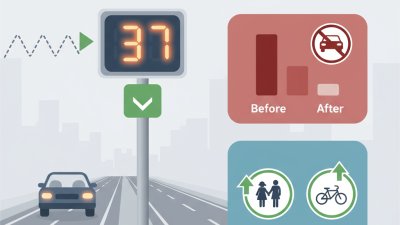
Traffic signals play a crucial role in road safety. Their design directly impacts how well drivers respond to traffic conditions. Studies show that modern signal designs, which include features like countdown timers and audible signals, have led to a 25% reduction in pedestrian accidents. These enhancements guide both drivers and walkers, making crossings clearer and safer.
Innovative designs also focus on visibility. More reflective materials and larger signal heads improve sight lines at various distances. Reports indicate that poor visibility contributes to nearly 30% of traffic mishaps. By increasing visual clarity, these signals encourage safer driving habits. Yet, there are still challenges. Some areas struggle to implement these designs effectively, leading to inconsistent safety levels.
Moreover, data reveals that not all traffic signal upgrades lead to reduced accidents. For instance, adding more signals can lead to confusion rather than clarity. A fine balance must be maintained to avoid overwhelming drivers. Continuous evaluation of these designs is essential to address flaws in implementation and to adapt to changing urban environments.
Smart Traffic Signals: Integrating Technology for Enhanced Efficiency
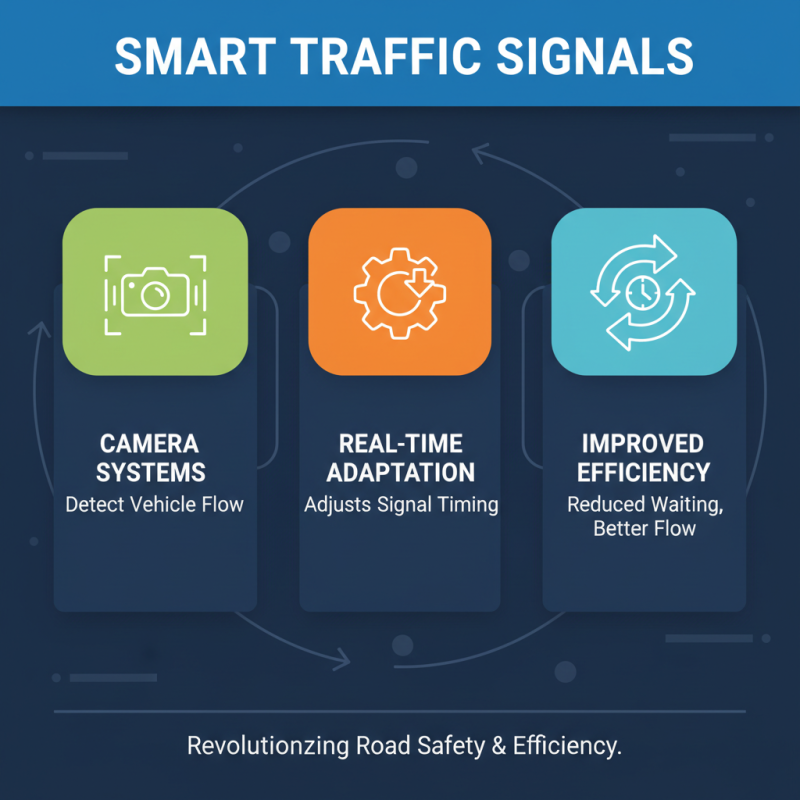
Smart traffic signals are revolutionizing how we manage road safety and efficiency. These signals utilize various technologies to respond to real-time traffic conditions. For instance, camera systems can detect vehicle flow and adjust signal timing accordingly. This adaptability helps reduce waiting times at intersections, improving overall traffic movement.
However, not all solutions are perfect. Sometimes, technical glitches can cause malfunctions. Adaptive traffic signals may struggle during peak hours when traffic patterns change dramatically. Despite these challenges, the integration of sensor technologies offers significant potential. Data collected can help city planners optimize traffic patterns over time.
Incorporating pedestrian detection systems is another innovation. These systems ensure that signals react promptly to foot traffic, enhancing pedestrian safety. Still, there are concerns about privacy with constant monitoring. Balancing technology and privacy will be critical as these systems evolve. The future of smart traffic signals holds promise, yet it requires careful consideration of both functionality and community impact.
Case Studies: Successful Implementations of Innovative Signal Designs
Innovative traffic signal designs have emerged as crucial tools in enhancing road safety and efficiency. Many cities have adopted these designs to address pressing traffic issues. For instance, a recent case study in a mid-sized city demonstrated the effectiveness of adaptive traffic signals. These signals adjust their timing based on real-time traffic conditions, significantly reducing congestion during peak hours.
One notable implementation involved the use of countdown timers at pedestrian crossings. These timers provide clear information on how much time pedestrians have to cross. The result? A notable decrease in jaywalking incidents. However, not every design has been successful. Some regions struggled with public acceptance of modern signals, leading to mixed results.
Tips for effective signal design include involving local communities in planning discussions. Their feedback can identify potential challenges early. Additionally, regular evaluations after implementation are crucial. This ensures that the signals serve their intended purpose efficiently. Always consider the unique needs of each area before applying a design. Flexibility is key in achieving true road safety and efficiency.
Top 10 Traffic Signal Designs That Enhance Road Safety and Efficiency
Conclusion
The article "Top 10 Traffic Signal Designs That Enhance Road Safety and Efficiency" emphasizes the critical role of traffic signals in urban planning and public safety. It outlines the design features that contribute to accident reduction, supported by statistical analyses that highlight their effectiveness. The integration of smart technology in traffic signals is discussed, showcasing how these advancements improve traffic flow and safety.
Additionally, case studies of successful implementations demonstrate the real-world advantages of innovative signal designs. The article concludes with insights into future trends in traffic signal technologies, projecting their potential impact on urban mobility and safety. Overall, effective traffic signal design is essential in creating safer, more efficient roadways for all users.