What is a Traffic Signal and How Does it Work?
Traffic signals are essential tools for managing road traffic. These signals guide vehicles and pedestrians, ensuring safety on busy intersections. John Smith, a leading expert in traffic engineering, once stated, “Traffic signals are vital for organized movement and preventing chaos.” This statement highlights the importance of these systems in urban environments.
Each traffic signal operates through a carefully timed sequence of lights. When drivers see a green light, they know it is safe to proceed. However, not all systems function flawlessly. Some signals may malfunction or change too quickly, causing confusion. This unpredictability can lead to near-misses and sometimes accidents.
Understanding how traffic signals work is crucial for all road users. Educating drivers and pedestrians about these systems can improve overall safety. Yet, many still struggle to interpret the signals properly. Enhancing public awareness is an ongoing challenge that requires attention. Traffic signals are more than just lights; they are the backbone of road safety.
What is a Traffic Signal?
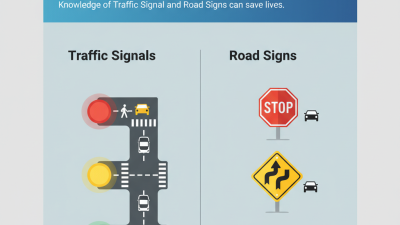
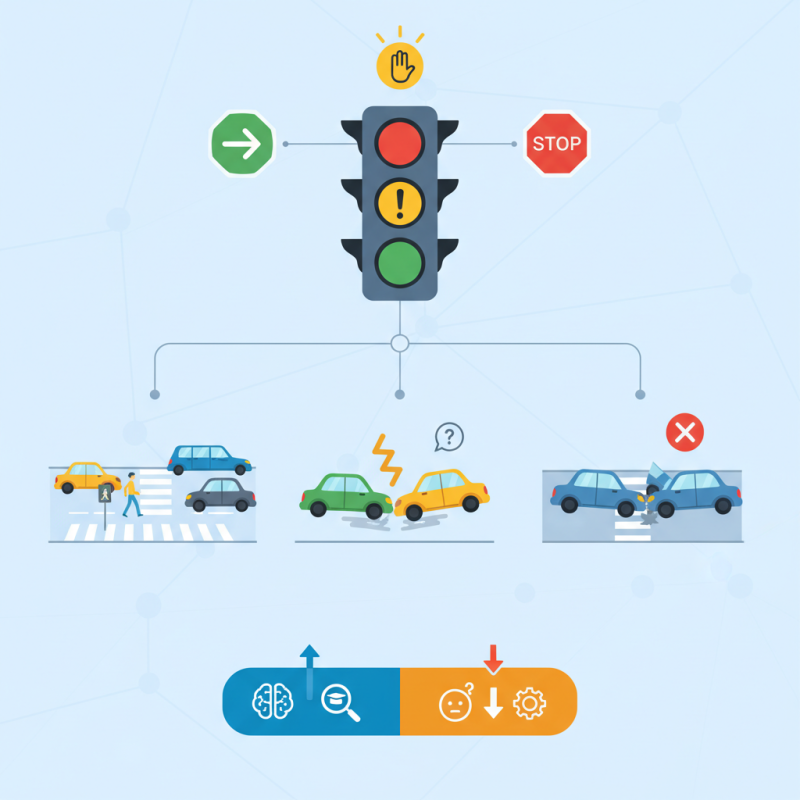
Traffic signals are crucial for managing road traffic. They are used to control vehicle and pedestrian movements at intersections. These signals typically consist of red, yellow, and green lights. According to the Federal Highway Administration, proper traffic signalization can reduce accidents by up to 30%. This significant figure highlights the importance of traffic signals in enhancing road safety.
Understanding traffic signals is essential for all road users. They provide clear instructions, helping to prevent confusion. Improper compliance can lead to dangerous situations. Interestingly, a 2021 study by the Institute of Transportation Engineers reported that nearly 40% of vehicle accidents occur at intersections. This data raises questions about the effectiveness of some signals. Are they visible enough? Are they timing correctly?
**Tip:** Always pay attention to your surroundings at intersections. Look out for pedestrians and cyclists. Their safety often depends on how attentive you are.
In many towns, old signals may not operate as effectively. Malfunctioning signals can confuse drivers, often leading to frustration. This brings attention to the need for regular maintenance and upgrades. Upgrading outdated systems could greatly improve traffic flow and safety.
**Tip:** When approaching a yellow light, decide early whether to stop. Jane's first instinct is always stop—sometimes this is an erratic decision. Safety first.
The History and Evolution of Traffic Signals
Traffic signals have a fascinating history that reflects the evolution of urban transport. The first known traffic signal was installed in London in 1868. It was a simple gas-lit signal with arms indicating stop and go. This innovation aimed to manage the chaos of traffic in rapidly growing cities.
As automobile usage surged in the early 20th century, the need for more efficient traffic regulation became clear. By 1920, the first electric traffic lights appeared in Detroit. These signals, with their familiar red, yellow, and green lights, greatly improved traffic flow and safety. According to a report from the National Highway Traffic Safety Administration, efficient signal operation can reduce accidents by nearly 30%. However, many outdated models remain in use today, raising concerns about their effectiveness.
Today's traffic signals are often equipped with sensors and timers. Still, many cities struggle with outdated infrastructure. Research indicates that around 30% of traffic signals in the U.S. do not follow optimal timing standards. This inconsistency can lead to frustration among drivers and pedestrians alike. As cities continue to evolve, the challenge lies in modernizing these systems while considering the history that shaped them.
How Traffic Signals Operate: The Mechanics Behind the System
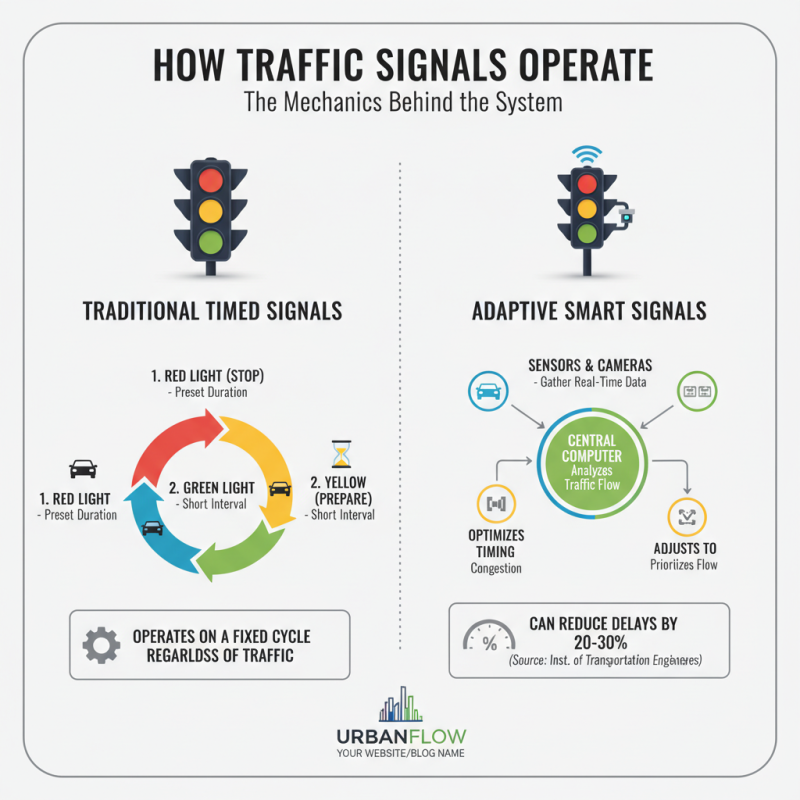
Traffic signals play a crucial role in urban transportation. They guide vehicles and pedestrians safely at intersections. The mechanics behind these systems can be quite fascinating. Typically, traffic signals operate on a cycle. Each signal changes color depending on a preset timing plan. However, many urban areas are now implementing adaptive traffic signals that respond to real-time traffic conditions. According to a report from the Institute of Transportation Engineers, these advanced systems can reduce delays by 20-30%.
The operation of traffic signals relies on specific technologies. Inductive loop sensors are installed in the road, detecting approaching vehicles. Some intersections utilize video detection systems to monitor traffic flow. These technologies aim to minimize congestion. Yet, they sometimes fail to recognize smaller vehicles. Additionally, they may not adjust quickly enough during unexpected situations. This can lead to frustrations for drivers and pedestrians alike.
Signal timing also presents challenges. Traffic engineers base signal cycles on historical data. This can overlook peak times or events. For example, studying a week’s worth of traffic might not capture unusual patterns. A recent survey indicated that 70% of traffic signal timings in major cities require adjustments to improve efficiency. This highlights the need for continuous monitoring and reevaluation of traffic signal systems to meet evolving urban demands.
Different Types of Traffic Signals and Their Uses
Traffic signals play a crucial role in managing road safety and traffic flow. They come in various types, each serving specific purposes. The most common are standard traffic lights, often featuring red, yellow, and green colors. These signals regulate vehicle movement at intersections. The red light means stop, while green allows vehicles to proceed. The yellow light serves as a warning, indicating that the light will soon turn red. However, not all drivers heed these signals, raising safety concerns.
Pedestrian signals are designed for walkers. They usually include a “walk” symbol and a “don’t walk” symbol. They guide pedestrians safely across streets. Yet, some pedestrians misinterpret these signals, contributing to unnecessary risks. Three-way and four-way stops are another type. Drivers must stop and yield to the traffic on their right. These require careful attention, as the rules can be misunderstood, leading to confusion and potential accidents.
Flashing signals can indicate caution or specific instructions. For instance, a flashing yellow light advises drivers to slow down. However, some may misjudge the flashing light's intent, resulting in hasty decisions. Understanding the various types of traffic signals is vital for enhancing road safety. Driving demands constant attention. A moment’s distraction can lead to unforeseen consequences.
What is a Traffic Signal and How Does it Work? - Different Types of Traffic Signals and Their Uses
| Type of Traffic Signal |
Color Indicators |
Function |
Common Locations |
Usage Frequency |
| Standard Traffic Signal |
Red, Yellow, Green |
Control vehicle and pedestrian movement |
Intersections, crosswalks |
High |
| Pedestrian Signal |
Walk, Don't Walk |
Indicate safe crossing times for pedestrians |
Crosswalks, busy streets |
Medium |
| Flashing Traffic Signal |
Flashing Yellow, Red |
Alert drivers to proceed with caution |
Construction zones, low visibility areas |
Occasional |
| Traffic Light with Sensors |
Red, Yellow, Green (adaptive) |
Adjusts signal timing based on traffic flow |
High-traffic areas, urban settings |
High |
| Railroad Signal |
Red, Yellow, Green, White |
Control vehicle movement at railroad crossings |
Railroad crossings |
High |
Impact of Traffic Signals on Road Safety and Traffic Flow
Traffic signals play a vital role in regulating vehicle and pedestrian movement on roads. They are essential for road safety and traffic flow. By controlling traffic at intersections, they reduce accidents and improve travel efficiency. A working traffic signal uses colored lights to signal when to stop or go. Red means stop, green means go, and yellow is a warning to prepare to stop.
Tips for drivers: Always be alert to traffic signals. Look for pedestrian signals as well. They provide crucial information. When lights change, don’t rush to accelerate. Sometimes, others may ignore the lights. Ensure the road is clear before proceeding.
The impact of traffic signals on road safety cannot be overstated. Research shows intersections with signals see fewer collisions. However, not all signals work perfectly. Malfunctions can confuse drivers and lead to accidents. Drivers should stay vigilant and be aware. Remember, safety comes first, even when signals fail to operate as expected.
Impact of Traffic Signals on Road Safety and Traffic Flow