Top Stop Sign Types You Should Know About?
In the realm of traffic management, the "Stop Sign" plays a crucial role in ensuring road safety. Dr. Emily Carter, a leading expert in traffic engineering, once stated, "Stop Signs are not just indicators; they are critical safety measures." Understanding the various types of stop signs is vital for improving traffic flow and minimizing accidents.
Different stop sign designs can influence driver behavior significantly. For instance, reflective materials enhance visibility at night. In various regions, color and shape variations exist, causing potential confusion among drivers. Reflecting on these factors is essential for designing effective traffic systems.
Moreover, the implementation of technology, such as AI in managing road signs, could revolutionize how we approach traffic safety. Future advancements may provide real-time data to adjust stop sign placements based on traffic patterns. This shift is necessary but also poses challenges. Achieving a perfect balance between innovation and safety remains a work in progress. Each decision must be carefully considered to enhance the effectiveness of stop signs in our communities.
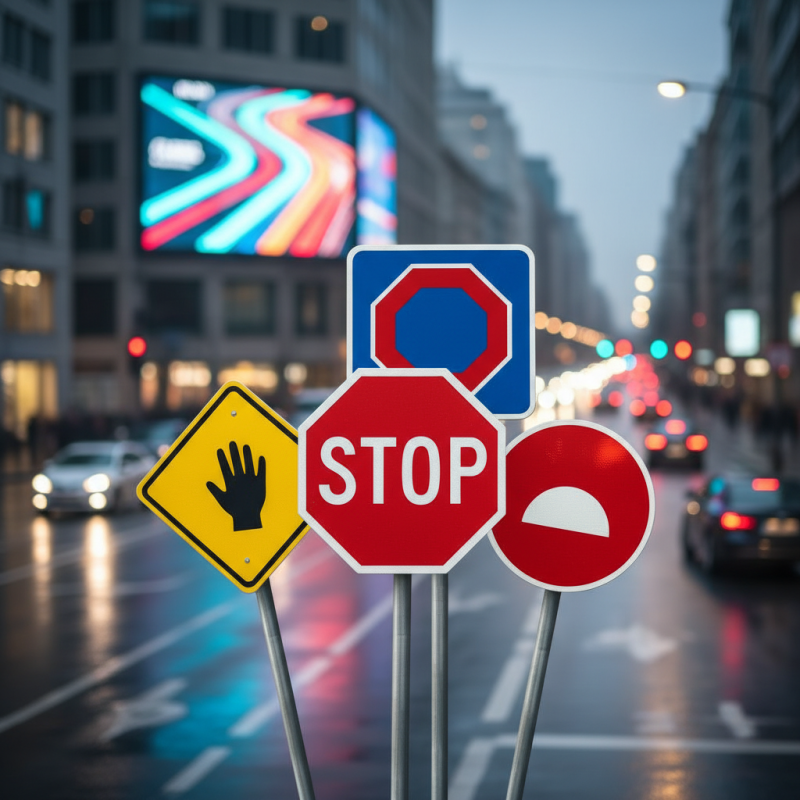
Types of Stop Signs: Understanding the Basics
Stop signs are crucial for managing traffic and ensuring safety. Various types exist, each designed for specific environments. Standard red octagonal stop signs are the most recognizable. According to the Federal Highway Administration (FHWA), these signs reduce accidents by approximately 50% at intersections. Their bright color and simple shape help drivers to notice them easily.
In contrast, there are additional signs like the illuminated stop sign. This type enhances visibility in low-light conditions. Studies show that illuminated signs can improve compliance rates by up to 30%. Another variant is the temporary stop sign, often used in construction zones. These signs may not always be respected, leading to unsafe conditions. It's essential for drivers to remain vigilant, especially when these signs are in place.
Understanding different stop sign types can help improve road safety. The inclusion of innovative designs may reflect a growing demand for increased awareness among drivers. Yet, not all municipalities prioritize upgrading their signage. Reflecting on this, it’s crucial to advocate for better traffic management systems. Effective signage saves lives, but it requires effort and investment.
Regulatory Stop Signs: Their Role and Importance
Regulatory stop signs serve a critical role in maintaining safety on the road. These signs instruct drivers to halt their vehicles at intersections. They help to manage traffic flow and prevent accidents. When adhered to, they ensure that all road users can navigate safely. However, not all drivers pay full attention to these signs, and that can lead to problems.
The importance of regulatory stop signs cannot be overstated. They are strategically placed where visibility is limited or where accidents frequently occur. This placement often prevents collisions at blind corners or busy intersections. Unfortunately, some drivers may ignore or misunderstand the need to stop completely. In such cases, a simple sign might not suffice. Additional measures, such as flashing lights or speed bumps, could help to remind drivers to slow down.
Reflecting on their effectiveness is important. Are sign designs clear enough? Are they visible at night or in bad weather? Community feedback can enhance their impact. Engaging with local residents may uncover areas where signage needs improvement. This ongoing evaluation ensures that our roadways remain safe for everyone.
Innovative Stop Sign Designs: Enhancing Visibility and Safety
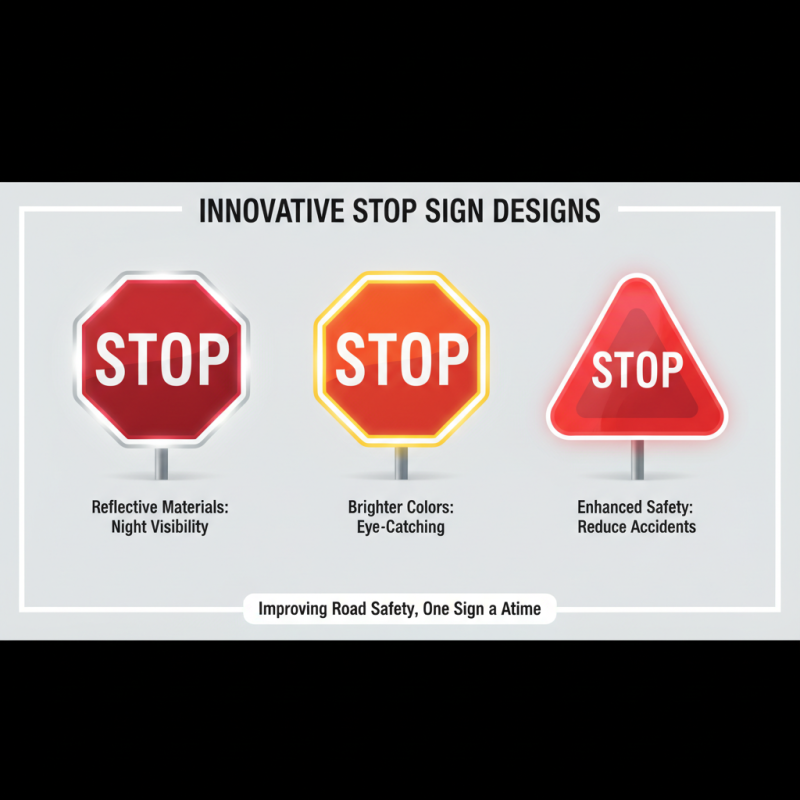
When it comes to stop signs, visibility and safety are crucial. Innovative designs are making significant strides in these areas. For example, reflective materials can enhance visibility during the night. Bright colors also catch the eye more efficiently. This change is essential for reducing accidents at intersections.
Consider using non-traditional shapes. Octagonal is the standard, but triangular or circular signs can stand out more. These shapes can grab attention and indicate critical warnings. Enhanced visibility is not just about colors and shapes; it also involves placement. Signs should be positioned where drivers can easily see them, avoiding any visual obstructions.
*Tip: Regularly review stop sign conditions, especially after storms or heavy winds. Clear any debris blocking the view.*
*Tip: Community feedback is vital. Engage with local residents to identify problem areas where signs may need upgrading.*
Innovative stop sign designs are changing the landscape of traffic safety. Making these signs more noticeable could save lives. It's important to reflect on current practices and explore these fresh ideas.
Specialized Stop Signs for Unique Traffic Scenarios
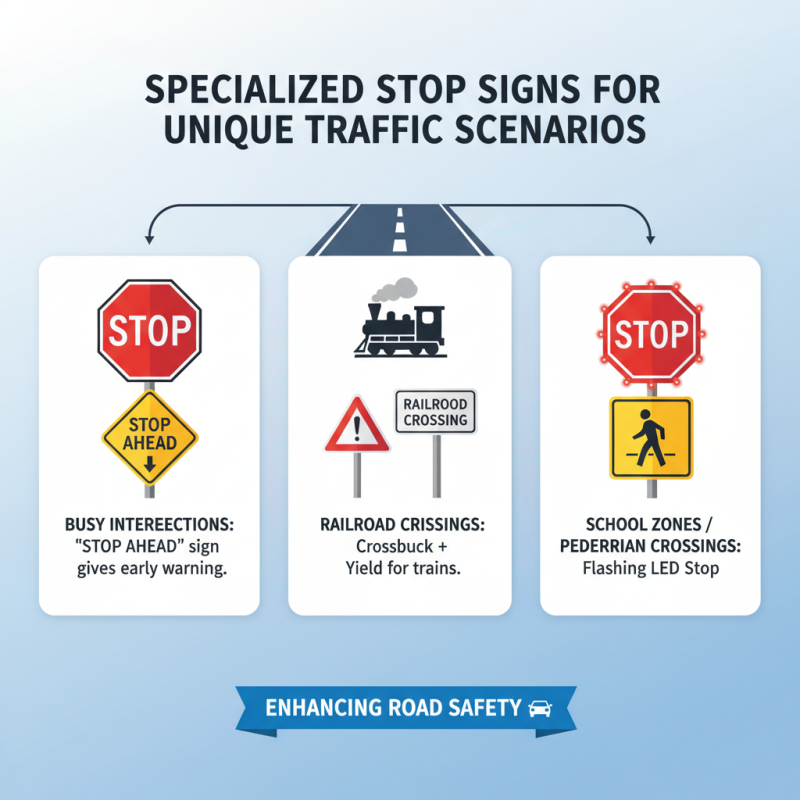
Traffic signs play a crucial role in ensuring safety on the roads. Among the various types, specialized stop signs cater to unique scenarios. These signs are designed for certain conditions and environments to enhance driver awareness and compliance. For instance, at busy intersections, a standard stop sign may not suffice. In such cases, a "Stop Ahead" sign may be necessary to alert drivers early.
Some regions utilize illuminated stop signs in high-traffic areas. According to a report from the Federal Highway Administration, these signs can improve compliance rates by up to 25%. Their visibility is especially critical during poor weather conditions or at night. Another interesting variant is the bilingual stop sign, which accommodates diverse communities. In cities with multiple languages, these signs can reduce confusion for non-native speakers, enhancing safety.
Reflecting on the use of specialized stop signs reveals challenges. Despite their potential benefits, some drivers still overlook these signs. Awareness campaigns are essential but may not always reach everyone. Communities must assess the effectiveness of specialized signs regularly, as road conditions change. The installation of these signs should always be data-driven, guided by traffic studies and accident reports. Continued evaluation can help refine their use and determine what works best in each scenario.
Legal Requirements for Stop Sign Installation and Maintenance
Stop signs play a crucial role in traffic management. Their effectiveness depends on proper installation and maintenance. Legal requirements vary by region. However, some common standards apply widely. Signs must be clearly visible and reflect appropriate size and color. This ensures drivers can see them from a distance.
Tips for effective stop sign visibility: Ensure the sign is at least 7 feet above the ground. Background lighting is essential at night. Regular inspections help identify wear and tear. Signs that are faded or obscured need immediate attention.
Proper maintenance is often overlooked. Some signs may get covered by branches or dirt. Drivers may not see them, leading to potential accidents. Routine checks can prevent this. You want to ensure that every driver understands the message. Pay attention to newly planted trees or growing vegetation around these signs.