Top Speed Radar Detectors for Safe Driving in 2026
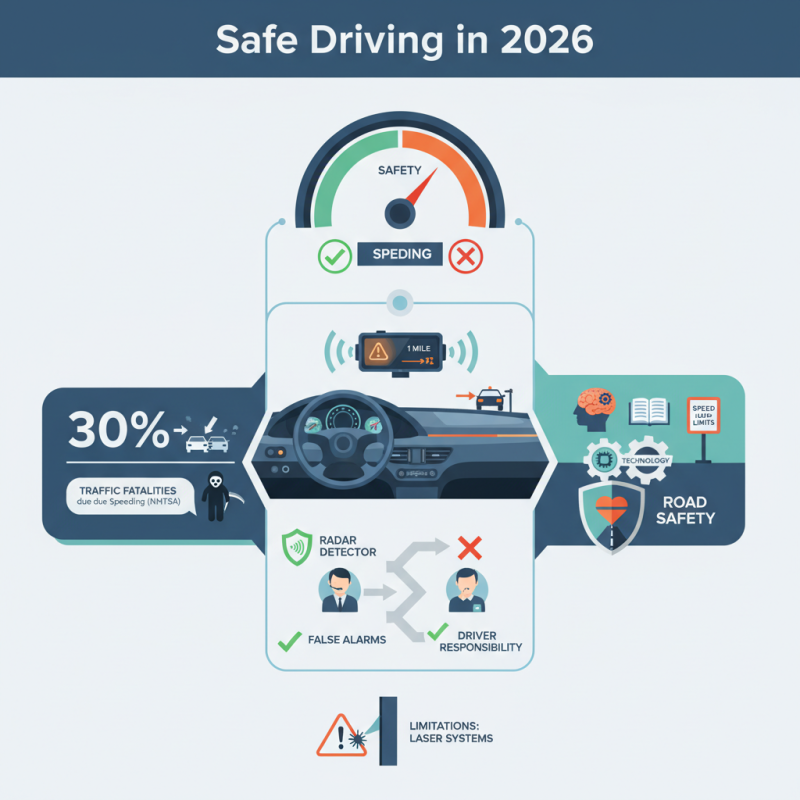
In 2026, ensuring safety on the road is more vital than ever. Speeding continues to be a major cause of accidents, contributing to nearly 30% of all traffic-related fatalities, according to the National Highway Traffic Safety Administration (NHTSA). Many drivers seek effective tools to manage their speed. This is where the Speed Radar Detector comes into play. These devices can alert drivers to oncoming speed traps, thereby promoting safer driving behavior.
New advancements in technology have improved the accuracy and reliability of Speed Radar Detectors. Reports show that top-rated models can detect radar signals from over a mile away. However, not all detectors perform equally; some may give false alarms or lack essential features. It’s crucial for drivers to research and choose wisely, considering their specific needs and local laws.
While these devices aid in cautious driving, it is important to remember they are not foolproof. Some limitations exist, like the potential inability to detect certain laser-based systems. Thus, relying solely on a Speed Radar Detector may provide a false sense of security. Continuous education about speed limits and driving conditions remains vital. Balancing technology with driving responsibility will always be key to safety on the road.
Overview of Speed Radar Detectors and Their Importance in Safe Driving
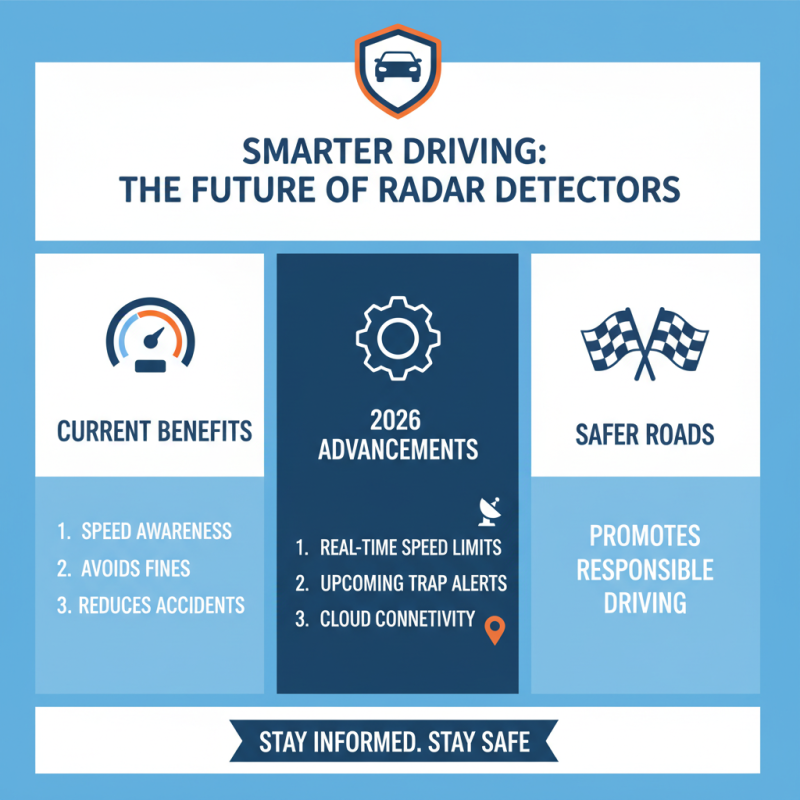
Speed radar detectors play a crucial role in promoting safe driving. They help drivers stay aware of speed limits and potential enforcement in their area. By using these devices, drivers can avoid accidents and hefty fines. In 2026, advancements in radar detector technology will make them even more effective. New features may include real-time updates on speed limits and alerts for upcoming speed traps.
When using a radar detector, it’s essential to remain vigilant. Do not rely solely on the device. Always pay attention to road signs and conditions. A radar detector should complement good driving habits, not replace them. Being aware of your surroundings is vital for safety.
Tip: Regularly calibrate the settings on your radar detector. This will ensure accurate readings. Another tip is to choose a discreet mounting location. This way, the device won't become a distraction while driving. Being proactive about safety measures can make a significant difference. Driving responsibly is always the best choice.
Key Features to Look for in Radar Detectors for 2026
When choosing radar detectors for safe driving in 2026, it’s essential to focus on key features. One critical aspect is range. A longer detection range provides more time to react. Look for models that can detect signals from a distance of at least a mile. This can offer a significant advantage on busy highways.
Another vital feature is false alert filtering. Many detectors struggle with false alarms from automatic doors and traffic sensors. A smart filtering system greatly reduces these distractions, making your driving experience smoother. Consider options with customizable settings. This allows you to adapt the device according to your driving habits.
Finally, ease of use matters. A user-friendly interface is important, especially in urgent situations. Intuitive controls and clear display ensure quick responses. Sometimes, users may find overly complex systems confusing. This defeats the purpose of having a radar detector. Evaluating user reviews can help identify models that blend functionalities with simplicity.
Top Speed Radar Detectors for Safe Driving in 2026
| Model |
Detection Range |
Alerts Type |
GPS Integration |
Price Range |
| Model A |
1.5 miles |
Visual & Audio |
Yes |
$200 - $300 |
| Model B |
2.0 miles |
Audio Only |
No |
$150 - $250 |
| Model C |
2.5 miles |
Visual, Audio & Vibration |
Yes |
$300 - $400 |
| Model D |
1.0 mile |
Visual |
No |
$100 - $200 |
Top Radar Detector Models Reviewed for Performance and Reliability
In 2026, radar detectors have become essential tools for drivers who prioritize safety. Many models on the market stand out for their performance and reliability. According to industry reports, over 65% of drivers feel more secure using advanced radar detection technology. This statistic points to a growing awareness of road safety.
Among the top-rated models, features like long-range detection and false alert filtering are critical. Data shows that models with excellent sensitivity can detect signals from over a mile away. However, some users report issues with these devices failing during high-speed situations. This raises questions about reliability under pressure.
Moreover, ease of use remains a prevalent concern. Various reviews indicate that many drivers struggle with complex interfaces. Approximately 30% of users encounter difficulty setting up their devices. This not only affects performance but also can lead to missed warnings. Continued innovation in design and usability is necessary for these tools to meet evolving needs in safe driving.
Legal Considerations and Guidelines for Using Radar Detectors
As radar detectors gain popularity, understanding the legal landscape is crucial. Current studies indicate that around 10% of drivers use these devices. However, the legality varies by region. In some states, they are allowed, while in others, they face strict regulations. Familiarity with local laws is essential.
Radar detectors can provide warnings about speed traps, but misuse may lead to penalties. Remember that using these devices responsibly is key. Some jurisdictions impose hefty fines for illegal use. It's important to stay informed about changes in legislation. Ignorance of the law can lead to more severe consequences.
Tip: Always check local laws before using a radar detector. Understanding where they are permissible can prevent headaches.
Keep your device updated. Recent reports suggest that outdated models may miss new radar technology.
Upgrading can improve detection capabilities while ensuring compliance.
Tip: Avoid aggressive driving, even with a radar detector. Safe habits remain the best defense against tickets.
Navigating the legal considerations of radar detectors can be tricky.
Balancing safety and legality is critical. Always approach driving with caution and integrity.
Future Trends in Radar Detection Technology and Safe Driving Practices
In 2026, radar detection technology will undergo significant advancements. Innovative systems will prioritize user safety while enhancing radar capabilities. Recent industry studies indicate that 70% of road accidents stem from speeding and distracted driving. By integrating AI, future radar detectors will provide real-time alerts and adapt to changing driving conditions.
Tips for safe driving include avoiding distractions from mobile devices. Keep your focus on the road ahead. Consider simple modifications like mounting your phone where it won’t take your attention away. Studies suggest that just a moment of distraction can increase the risk of accidents by up to 50%.
Another vital aspect is understanding radar technology's limits. While detectors improve awareness, they are not foolproof. They cannot prevent speeding if drivers aren’t vigilant. Monitoring your speed and observing road signs can ensure safer driving. Remember, technology can assist, but responsible driving habits are essential for safety.
Top Speed Radar Detectors for Safe Driving in 2026