2026 Top Road Safety Sign Trends You Need to Know?
As we look ahead to 2026, the evolution of Road Safety Sign trends is becoming increasingly critical. With growing traffic, innovative signs are essential for enhancing safety on our roads. From digital displays to augmented reality, technology is shaping how we communicate road safety messages.
Road Safety Signs are not just functional; they can be engaging and informative. For instance, interactive signs can alert drivers in real time about conditions ahead. These signs often use bright colors and clear symbols. However, as we embrace these advancements, it's crucial to address potential pitfalls. Are we becoming too reliant on technology? Some signs may become less effective if not maintained properly.
The future of Road Safety Signs is exciting yet requires careful consideration. Balancing innovation with practicality is essential. We must prioritize effective communication while ensuring that signs remain visible and understandable. In this ever-changing landscape, constant reflection on our strategies will lead to safer roads for everyone.
Emerging Technologies in Road Safety Signage for 2026
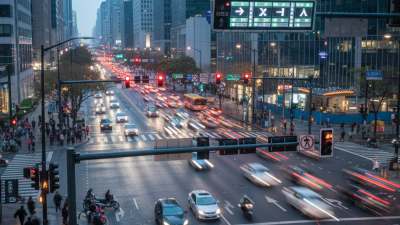
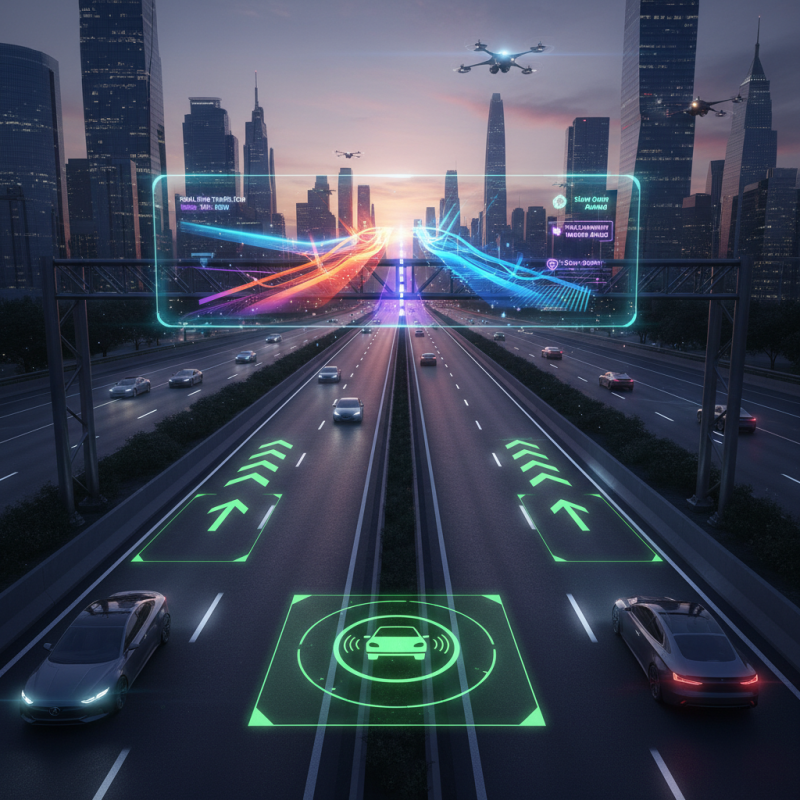
As we approach 2026, new technologies are reshaping road safety signage. Digital displays are on the rise. These signs can adapt in real-time based on traffic conditions. Imagine a sign that changes to alert drivers about sudden road closures. This innovation could enhance safety on busy highways.
Moreover, augmented reality is beginning to play a role in road safety. Drivers might use apps that overlay important information on their windshields. These overlays could highlight upcoming hazards or provide route optimization. Yet, implementation remains inconsistent. Many drivers may not have access, leading to potential gaps in safety.
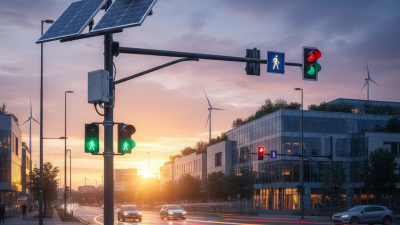
Solar-powered signs are also emerging. They aim to function efficiently in remote areas where electricity supply is limited. However, their effectiveness can fluctuate with weather conditions. A cloudy day might reduce visibility. As these technologies evolve, considering factors like accessibility and reliability is essential for maximizing safety benefits.
2026 Top Road Safety Sign Trends
Innovative Materials Used in Modern Road Safety Signs
Modern road safety signs have evolved considerably thanks to innovative materials. These advancements improve visibility and durability. For instance, some signs use retroreflective sheeting, enhancing night visibility. This helps drivers react more quickly in low light.
Another material gaining attention is high-density polyethylene. It’s lightweight and can withstand harsh weather conditions. Signs made from this material are less likely to fade over time. However, the environmental impact of creating such materials is an ongoing concern. The balance between durability and sustainability needs careful consideration.
Moreover, smart materials are being explored. These can change color based on environmental conditions. Imagine road signs that glow during heavy rain. Yet, integrating technology raises questions about cost and maintenance. Communities must consider if these innovations truly benefit everyone on the road.
2026 Top Road Safety Sign Trends You Need to Know
| Trend |
Description |
Innovative Material |
Impact on Safety |
| Smart Signage |
Signs integrated with IoT technology for real-time data updates. |
Flexible displays and sensors |
Increases driver awareness and responsiveness to changing conditions. |
| Reflective Materials |
Use of high-grade reflective materials for increased visibility at night. |
Retroreflective sheeting |
Enhances sign visibility in low light conditions, reducing accidents. |
| LED Integration |
Signs equipped with LED lights for dynamic messaging and alerts. |
LED light panels |
Captures attention effectively, improving compliance with road signs. |
| Sustainable Materials |
Focus on eco-friendly materials for manufacturing road signs. |
Recycled plastics and bio-based materials |
Promotes environmental sustainability while retaining safety functions. |
| Augmented Reality Signs |
Interactive signs that use AR to provide additional information through apps. |
Digital screens with AR capabilities |
Enhances situational awareness and improves driver interaction with signs. |
Impact of Smart Traffic Systems on Road Sign Design
The integration of smart traffic systems is redefining road sign design. These systems use data analytics to improve traffic flow and enhance safety. According to a recent report by the National Highway Traffic Safety Administration (NHTSA), smart traffic signals can reduce accidents by up to 30%. This is due to real-time data updates that help dynamic road signs display timely information.
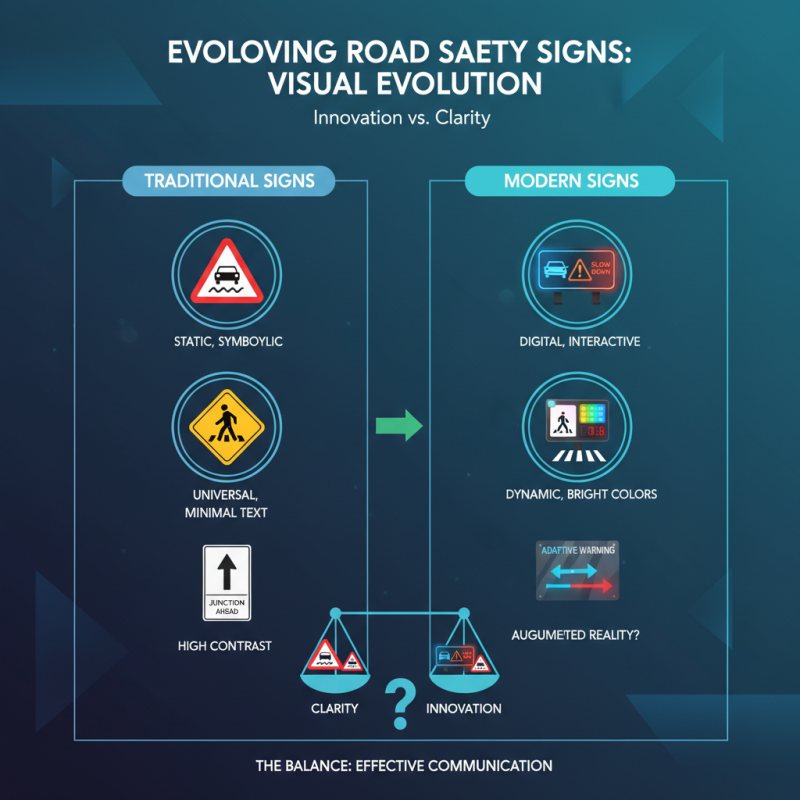
Traditional signs often lack adaptability. They provide static messages that may not address changing road conditions. The rise of LED technology and IoT allows signs to change based on traffic patterns. For instance, if an accident occurs ahead, signs can instantly alert drivers to slow down. This capability leads to safer driving environments.
Tip: Review local regulations for smart signage. Not every region has the same guidelines for implementation.
Moreover, the design elements are evolving. Signs are becoming more intuitive and user-friendly. They feature simplified icons and bold colors for better visibility. Research shows that color-coded signs improve comprehension by 25%.
Tip: When designing signs, consider visibility, clarity, and simplicity.
While innovation is essential, challenges exist. The reliance on technology can lead to failures if systems malfunction. Regular maintenance and updates are crucial. Designers must ensure that signs remain functional and effective even in adverse conditions. The future of road signage lies in balance—combining technology with reliable basics.
Visual Communication Trends in Road Safety Signage
Visual communication in road safety signage is evolving rapidly. As technology advances, signs are becoming more interactive and visually striking. Bright colors and digital displays grab attention. They relay messages clearly and effectively. Yet, not all innovations translate into better safety. Some designs can be confusing, especially if overly complex.
Minimalistic designs are gaining traction. Simple icons are easier to grasp at a glance. They reduce cognitive load while driving. However, some vital information may be lost in this simplicity. A balance must be struck between clarity and detail. Signage should not overwhelm or under-inform.
Moreover, cultural relevance is crucial. Signs can have different meanings in different regions. Utilizing local symbols improves understanding. It fosters a stronger connection between drivers and their environment. Still, there’s a risk of assuming all drivers share the same knowledge base. Continuous feedback from communities is essential for effective updates. A collaborative approach can ignite positive change in road safety signage.
Sustainability Practices in the Production of Road Safety Signs
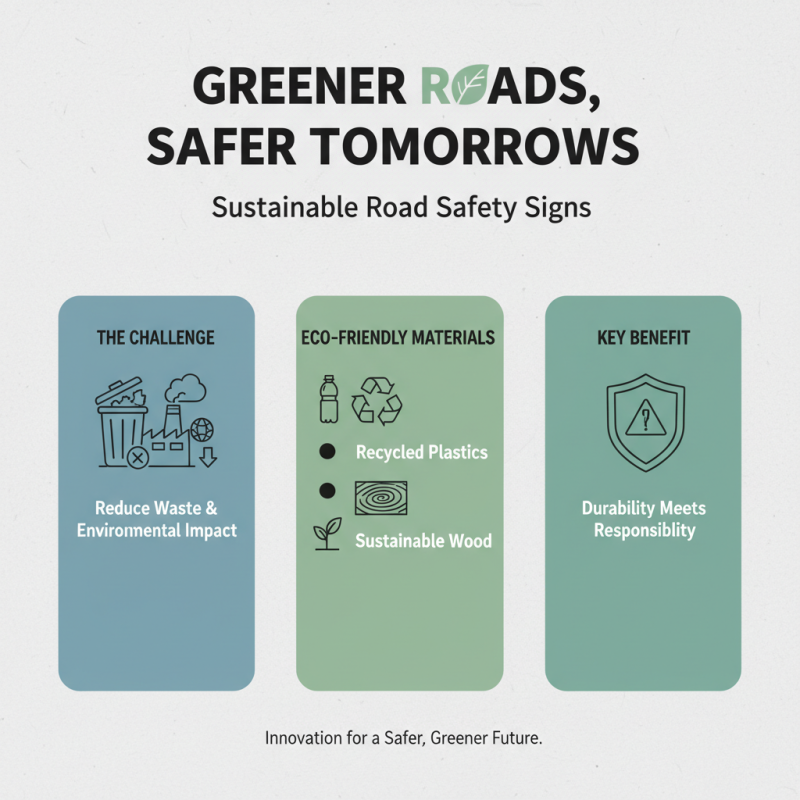
Sustainability is increasingly important in road safety sign production. Many manufacturers are exploring eco-friendly materials. Recycled plastics and sustainable wood are gaining attention. These materials can reduce waste and lessen environmental impact. However, the challenge remains in ensuring durability.
Investing in renewable energy for production is another area of focus. Solar and wind energy can power manufacturing plants. This approach decreases carbon footprints. Yet, some companies struggle to fully transition. The upfront costs can be prohibitive for smaller manufacturers.
Additionally, water use in production needs scrutiny. Many plants consume vast amounts of water. Implementing water recycling systems can mitigate this issue. However, not all companies prioritize this change. As the industry evolves, adopting these practices is essential for a greener future. Balancing safety and sustainability will require ongoing reflection and effort.