Top 10 Facts You Did Not Know About Stop Signs?
Stop signs are everywhere, yet many people overlook their importance. We see them daily, but do we understand their role? The Stop Sign is a crucial tool for traffic management. It promotes safety and order on our roads.
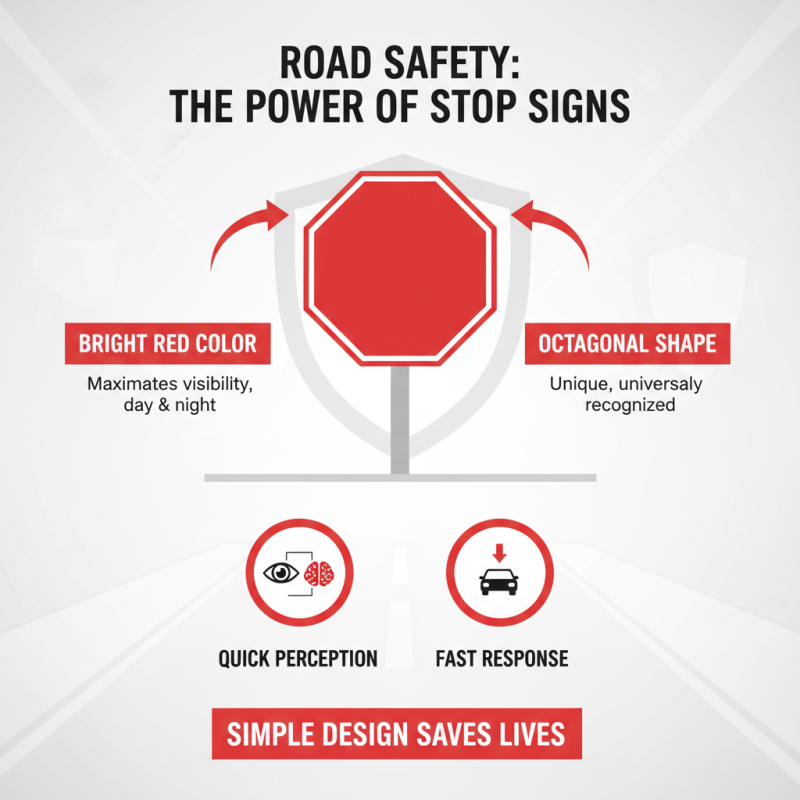
The design of the Stop Sign is iconic. Its bright red color and octagonal shape make it easy to identify. However, many don't realize its history and evolution. Did you know that the first Stop Sign was yellow? Over the years, changes were made to enhance visibility and effectiveness.
This article unveils ten surprising facts about Stop Signs. You’ll discover details that might change your perspective on this simple road sign. It’s fascinating how a small piece of metal influences our daily commutes. Reflect on your own driving habits. How often do we really stop to think about Stop Signs?
The Origin and Evolution of Stop Signs in Traffic Control
The evolution of stop signs is fascinating. Originally, traffic control relied on policemen directing traffic. In the early 20th century, cities began using signs. The first stop signs were merely white with black letters, appearing in Detroit in 1915. They were basic but effective.
By the 1920s, the need for standardized signage led to a shift. The American Association of State Highway Officials recommended a new design. In 1924, the iconic red octagon was born. This shape and color are now universally recognized. Studies show that this color helps drivers react faster. A 2016 report indicated that the red stop sign reduced accidents by 15%.
Despite improvements, issues persist. Many motorists ignore stop signs. In 2020, a survey found that nearly 40% of drivers failed to stop completely at intersections. This negligence raises questions about driver education and attention. Designing more visible signs may help. Enhanced lighting or reflective materials could lead to better compliance. The evolution of stop signs reflects both progress and ongoing challenges in traffic safety.
The Standard Color and Shape: Why Red Octagons?
The red octagon is a familiar sight on roads worldwide. It communicates a clear message: "Stop." But why is it red and octagonal? Research indicates that color plays a vital role in signaling safety. A study by the American Psychological Association revealed that red is associated with alertness and caution. This makes it an ideal choice for a stop sign.
The octagonal shape also serves a purpose. It is easily identifiable from various distances and angles, guiding drivers effectively. According to the Federal Highway Administration, the unique shape reduces confusion. Other shapes could blend into backgrounds, potentially leading to accidents. A round sign might not command the same attention as a stop sign.
Interestingly, not all countries use the octagonal shape. Some use variations in shapes and colors. Yet, the focus remains on visibility. This raises questions about standardization in traffic signs across the globe. While the octagon works well, different regions might need different symbols for maximum visibility. Adapting to local conditions could enhance safety even further.
The Role of Stop Signs in Road Safety Statistics
Stop signs play a critical role in road safety. They are typically placed at intersections to control traffic flow. When drivers see a stop sign, they are required to come to a complete stop. Yet, not everyone follows this simple rule. In fact, studies have shown that many drivers roll through stop signs without truly stopping. This behavior can lead to accidents.
The statistics paint a concerning picture. In areas where stop signs are present, the rate of accidents reduces significantly. However, cities report a high number of violations at these signs. Such disregard for the rules raises questions about driver education. Are people aware of the potential consequences? Public campaigns can help raise awareness about the importance of stopping at signs.
Moreover, accidents often happen at poorly lit intersections. In these scenarios, drivers may not see stop signs until it’s too late. It highlights the need for improved signage and better lighting. There is a gap between knowledge and action, which deserves attention. Road safety is a collective responsibility, and acknowledging our flaws can lead to better habits.
Global Variations: Different Countries and Their Stop Signs
Around the world, stop signs vary significantly. In the United States, the iconic red octagon commands attention. However, in Japan, stop signs are triangular and feature a more subdued color scheme. This shift might confuse foreign drivers. A report from the International Traffic Safety Association notes that distinctive signs enhance road safety. The design of stop signs affects how quickly drivers respond, especially in unfamiliar areas.
Countries like Australia and Canada use a classic red and white design too. Surprisingly, some nations opt for different shapes and colors. In Germany, for instance, the stop sign is circular. This design choice raises questions about universal recognition. Another study reveals that visual consistency in traffic signs can reduce accidents by over 20%. Yet, as countries adapt their road signs to cultural contexts, the potential for misunderstanding increases.
Even in Europe, variations exist. The EU has recommended a standard design. However, not all countries follow it. This inconsistency makes navigating foreign roads challenging. Drivers must remain vigilant and adapt to these differences. It raises a fundamental issue: can we balance local needs with international standards? The answer remains elusive.
Top 10 Facts You Did Not Know About Stop Signs
| Country |
Stop Sign Shape |
Color |
Unique Feature |
| United States |
Octagon |
Red with White Text |
Reflective Material |
| Canada |
Octagon |
Red with White Text |
Bilingual Instruction |
| Japan |
Circular |
Red with White Text |
Face Left Symbol |
| Germany |
Octagon |
Red with White Text |
Warns of Pedestrian Areas |
| Brazil |
Octagon |
Red with White Text |
Includes Distance Indicators |
| India |
Octagon |
Red with White Text |
Written in Hindi |
| Australia |
Octagon |
Red with White Text |
Reflective Signage |
| South Africa |
Octagon |
Red with White Text |
Includes Local Language |
| France |
Octagon |
Red with White Text |
Also Displays “STOP” in French |
The Science Behind Stop Sign Visibility and Effectiveness
Stop signs play a crucial role in road safety. Their visibility and effectiveness are supported by specific design choices. Bright red colors catch attention. The octagonal shape is unique and easily recognizable. This combination helps drivers respond quickly to stopping needs. It's interesting how these simple elements work together.
Moreover, the placement of stop signs influences their effectiveness. They should be positioned at eye level. This ensures that drivers notice them in time. Additionally, a clear line of sight is important. Obstructions like trees or buildings can reduce visibility. When designing intersections, planners must consider these factors.
Keeping your car clean can also help. A clear windshield improves visibility. During rainy seasons, make sure wipers work well. Dirty glass can hide crucial road signs, including stop signs. Remember that even small distractions can lead to missed stops. Pay attention to your surroundings. Stay safe and alert while driving.