What is a Stop Sign and Why is it Important?
In the complex world of traffic management, the humble Stop Sign plays a critical role. According to the Federal Highway Administration, around 70% of drivers rely on stop signs for safe navigation at intersections. This simple octagonal shape provides clear instructions and prevents accidents. However, not all drivers adhere to these signals, leading to alarming statistics. In 2020, the National Highway Traffic Safety Administration reported over 50,000 intersection-related crashes.
Dr. Emily Hartman, a traffic safety expert, states, “Stop Signs are essential, but they only work if drivers respect them.” This highlights a crucial factor: driver behavior. Awareness and compliance are just as vital as the signs themselves. The neglect of these vital signals can compromise road safety.
Understanding the importance of a Stop Sign is essential. They reduce confusion at complex intersections and promote orderly traffic flow. Yet, ongoing education about their significance remains critical. There is still a pressing need for improved adherence to these signs to enhance safety on our roads.
What is a Stop Sign: Definition and Purpose in Traffic Control
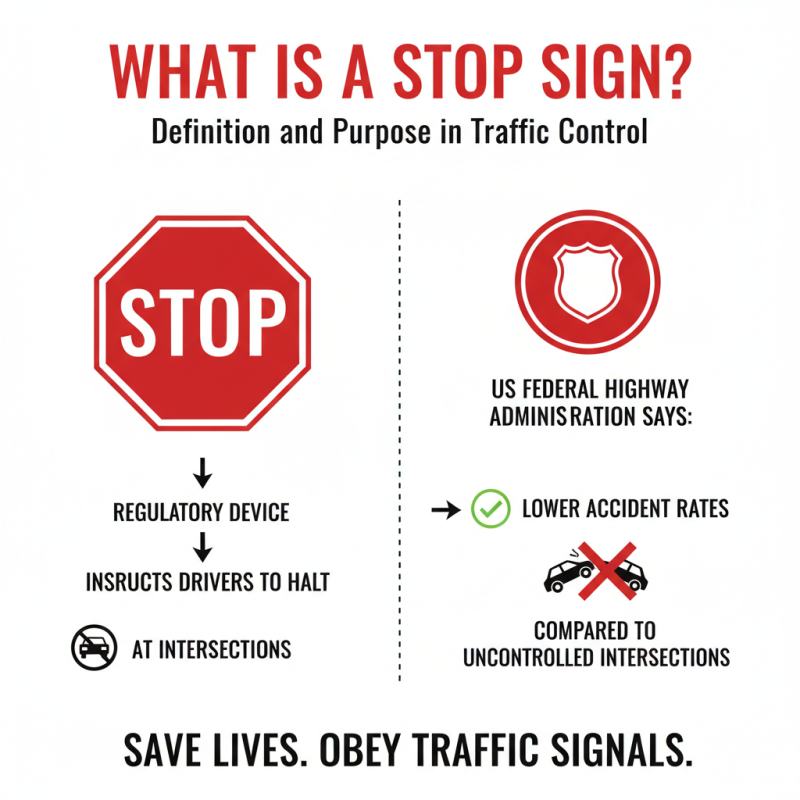
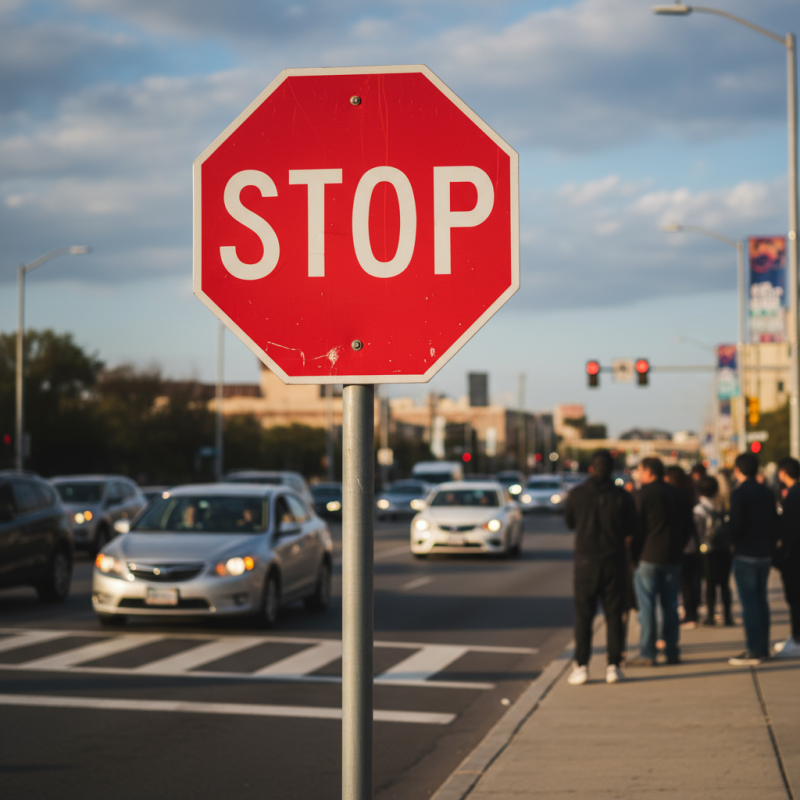
A stop sign is a crucial component of traffic control. It serves as a regulatory device that instructs drivers to halt their vehicles at intersections. According to the U.S. Federal Highway Administration, intersections with stop signs have a significantly lower rate of accidents compared to uncontrolled intersections. This highlights the importance of adhering to traffic signals.
The primary purpose of a stop sign is to assign right-of-way. When drivers understand their obligations at intersections, pedestrian safety increases. In a recent report, it was stated that nearly 30% of intersection accidents occur due to failure to stop. This statistic underscores a need for better compliance and awareness about stop signs.
Despite the clear benefits, many drivers still neglect to fully stop. In 2020, a study noted that around 15% of drivers roll through stop signs without coming to a complete halt. This reflects a gap in understanding the stop sign's role in promoting road safety. Continuous education on traffic rules remains essential. As we navigate our roads, it's vital to engage actively with traffic control measures.
The History of Stop Signs and Their Evolution in Road Safety
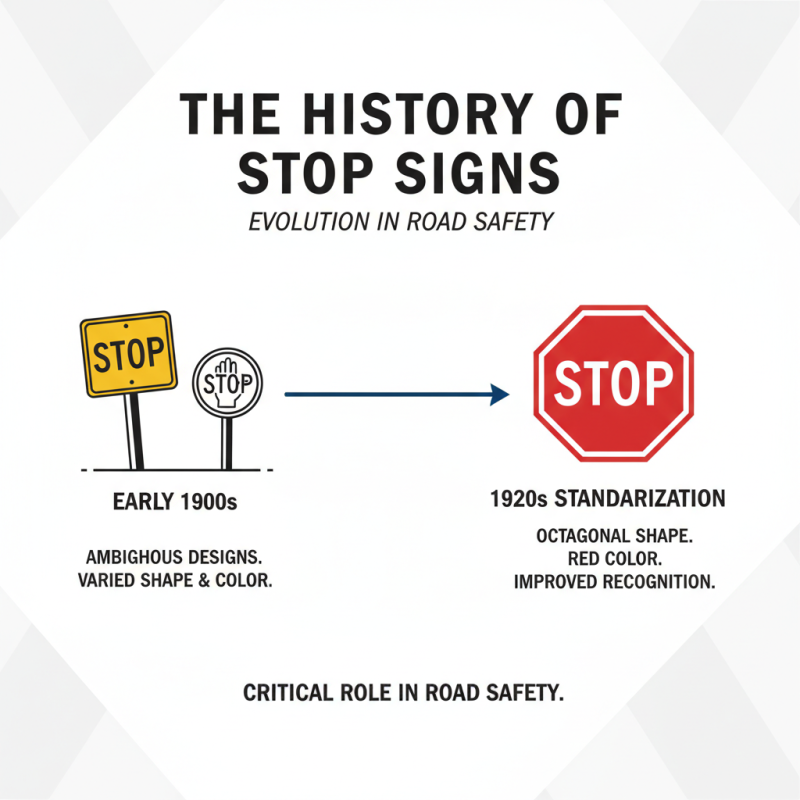
The evolution of stop signs showcases their critical role in road safety. Introduced in the early 20th century, the first signs were often ambiguous. They varied in shape and color. The need for uniformity became clear. In 1920, a committee standardized the octagonal shape and red color. This change significantly improved driver recognition.
According to the Federal Highway Administration, traffic signs reduce accidents by up to 50%. Inadequate signage can lead to confusion and collisions. A 2017 study indicated that concerns over stop sign visibility increased with the rise of digital distractions in vehicles. Many drivers report overlooking stop signs, especially in poorly lit areas.
Continuous improvements reflect the ongoing need for safety measures. Recent discussions emphasize the importance of reflective materials and better lighting. Installing additional signs where necessary can further enhance driver awareness. Despite advancements, some intersections still struggle with compliance. It remains essential to assess and address these challenges effectively.
Statistical Impact of Stop Signs on Accident Reduction Rates
Stop signs are essential in traffic management. They require drivers to come to a complete stop at intersections. This rule is crucial for preventing accidents and ensuring pedestrian safety. Research highlights that stop signs significantly reduce the number of collisions. Studies show a 20% decrease in accidents at locations with stop signs.
However, the effectiveness of stop signs can vary. Some drivers ignore them, leading to potential dangers. Additionally, poorly maintained signage can create confusion. In urban areas, stop signs may contribute to traffic delays. This raises questions about their placement and necessity in certain situations.
The role of stop signs in accident reduction is clear, yet it’s not flawless. Communities must evaluate their use regularly. Continuous assessment can address their effectiveness. Proper education on their importance is vital. Every driver should understand the consequences of disregarding them.
What is a Stop Sign and Why is it Important? - Statistical Impact of Stop Signs on Accident Reduction Rates
| Location Type |
Accident Rate (Before Stop Sign) |
Accident Rate (After Stop Sign) |
Reduction Rate (%) |
| Residential Areas |
2.5 per month |
1.0 per month |
60% |
| Urban Intersections |
8.0 per month |
3.5 per month |
56.25% |
| Rural Roads |
5.0 per month |
2.0 per month |
60% |
| Highway Entrances |
3.5 per month |
1.5 per month |
57.14% |
| School Zones |
4.0 per month |
1.2 per month |
70% |
Standards and Regulations Governing Stop Sign Design and Placement
Stop signs are a crucial part of road safety. They help control traffic at intersections and prevent accidents. Standards and regulations dictate how these signs are designed and placed. Compliance with such guidelines ensures that every driver recognizes the signs quickly. The size, color, and shape all follow specific criteria.
The Manual on Uniform Traffic Control Devices (MUTCD) sets forth these regulations. It specifies that stop signs must be octagonal, with a red background and white letters. This uniformity is essential. It helps drivers identify stop signs from a distance, especially in low visibility. Placement is equally important. A stop sign should be positioned where it's easily seen, typically 25 feet from the intersection.
However, not all stop signs meet these standards. Some may be poorly placed or faded, leading to confusion. Inaccurate signage can contribute to accidents. Cities must regularly review and maintain these signs. This is a shared responsibility that requires effort from both authorities and the community. Proper maintenance reflects a commitment to safety on the roads.
Public Awareness and Education on the Importance of Obeying Stop Signs
Stop signs serve a crucial role in road safety. They instruct drivers to come to a complete stop, allowing them to assess their surroundings before proceeding. However, many drivers overlook this simple but vital rule. Public awareness campaigns can help educate motorists about the significance of obeying stop signs.
Ignoring stop signs can lead to serious accidents. It is essential to understand that these signs are placed at intersections, pedestrian crossings, and high-traffic areas. Taking the time to stop can save lives. Drivers should remember that safety should always come first, even when it seems inconvenient.
Tips for staying safe at stop signs:
- Always look both ways before proceeding.
- If in doubt, wait a few extra seconds to ensure the road is clear.
- Encourage passengers to remind drivers about stop signs.
Engaging communities through educational programs can reinforce good habits. Schools, local organizations, and law enforcement should collaborate on initiatives that promote awareness. Simple activities, like stop sign art or neighborhood watch groups, can create a culture of safety. Reflecting on personal driving habits can lead to better decisions on the road.
Importance of Obeying Stop Signs
This chart illustrates the percentage of drivers who obey stop signs in different environments, highlighting the critical nature of stop signs in maintaining road safety. The data indicates that urban areas have a higher compliance rate, while rural areas show a significant need for increased awareness and education on traffic rules.