What is a Solar Traffic Signal Light and How Does It Work?
A Solar Traffic Signal Light is a modern solution for managing traffic. It utilizes solar energy to operate, promoting eco-friendliness. These lights are designed to function without external power sources, even in remote areas.
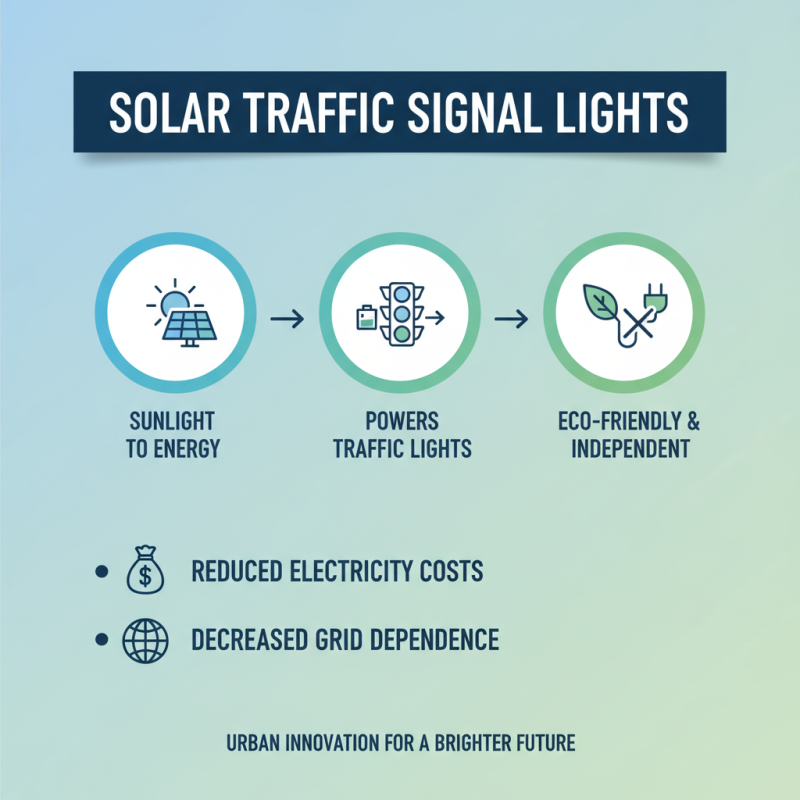
The operation is straightforward. Solar panels absorb sunlight during the day, converting it into energy. This energy is stored in batteries, powering the lights when daylight fades. They are durable and can withstand harsh weather conditions. Their presence improves safety on roads, enhancing visibility for drivers and pedestrians alike.
However, the implementation of Solar Traffic Signal Lights may come with challenges. Initial costs can be high, and maintenance requires attention. Moreover, their effectiveness depends on weather patterns and sunlight availability. Addressing these issues is crucial for maximizing their benefits. Overall, Solar Traffic Signal Lights represent a step toward sustainable urban infrastructure.
Definition and Overview of Solar Traffic Signal Lights
Solar traffic signal lights are increasingly used in many urban areas. These lights use solar panels to convert sunlight into energy. This eco-friendly solution reduces electricity costs and dependence on the grid.
According to a report by the U.S. Department of Energy, solar traffic signals can lower energy usage by 85%. They can operate efficiently even in cloudy conditions. The average lifespan of solar panels exceeds 25 years, making them a long-term investment. A study by the National Highway Traffic Safety Administration reveals that solar lights improve visibility. They can enhance traffic safety by reducing accidents at intersections.
Despite these advantages, solar traffic signals can face challenges. Limited sunlight in winter months may affect performance. Maintenance is crucial to ensure the panels remain clean and functional. Some cities report issues with battery life during prolonged cloudy periods. Therefore, regular assessments of the solar system are vital. Improving efficiency in less sunny regions is an ongoing challenge for engineers.
Components of a Solar Traffic Signal System
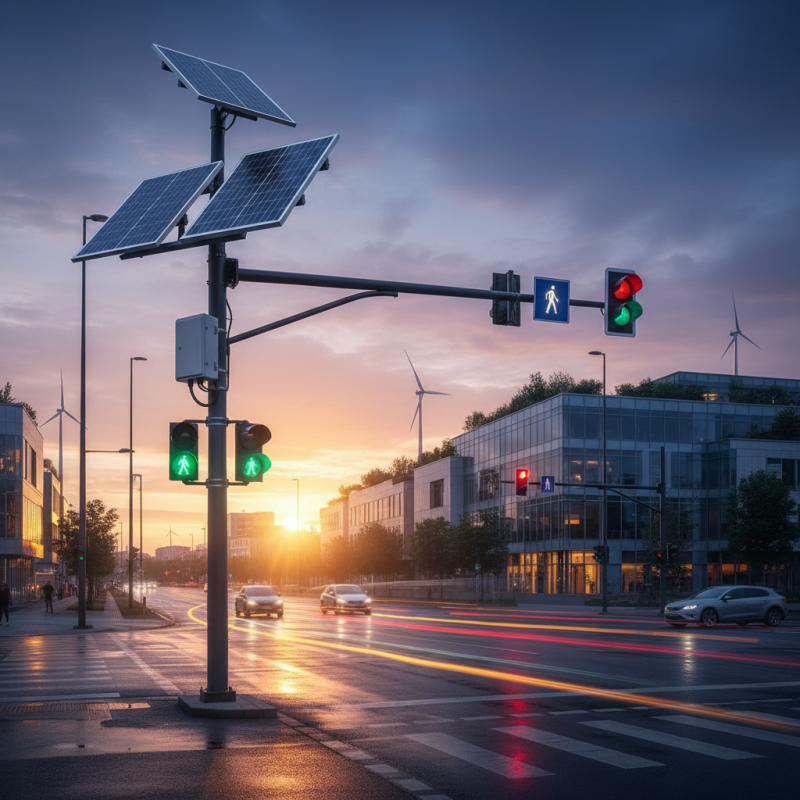
A solar traffic signal system consists of several key components. The solar panel is essential; it converts sunlight into electrical energy. This energy powers the signal lights. Typically, these panels are mounted on top of the signal structure. They need optimal sunlight exposure for maximum efficiency. Without proper positioning, performance may suffer.
The system also includes a battery. It stores energy collected during the day. This stored energy powers the lights at night or during cloudy days. Batteries vary in size, often affecting the system's overall effectiveness. It's vital to choose the right battery to ensure longevity and reliability.
Moreover, a control unit manages power distribution. It ensures that the lights operate efficiently while conserving energy. Some systems might even include sensors to detect traffic flow, adjusting light signals accordingly. This adds complexity to the design but improves performance. Regular maintenance of these components is crucial. Neglect can lead to unexpected failures or reduced functionality. Each part plays a role in the system's success, but the balance can be challenging.
How Solar Traffic Signal Lights Generate and Store Energy
Solar traffic signal lights have gained popularity due to their efficiency in generating and storing energy. These lights use solar panels that convert sunlight into electricity. According to industry reports, the average solar panel can generate around 300 watts per day. This energy is crucial for powering traffic signals, especially in remote areas where traditional power supply is inconsistent.
Energy storage is equally important. Most solar traffic signal systems include rechargeable batteries. These batteries typically store enough energy for up to 10 hours of continuous operation. When the sun sets, the batteries kick in to keep the lights functioning. Interestingly, data suggests that with proper maintenance, these systems can last over 10 years. However, the quality of batteries can vary significantly across models. This inconsistency can lead to unexpected outages, raising concerns for road safety.
In addition to energy generation and storage, the placement of solar panels matters. Panels need direct sunlight to function optimally. Shadows from trees or buildings can hinder efficiency. Some reports indicate that even a small obstruction can decrease energy production by up to 30%. Understanding this can inform better installation practices to maximize the potential of solar traffic signal lights.
Functionality and Operation of Solar Traffic Signal Lights
Solar traffic signal lights operate using renewable energy. They harness sunlight through solar panels. During the day, these panels collect energy, which powers the signal lights when needed. They are used in various locations, especially in remote areas where conventional electricity isn't available.
LED technology enhances visibility while minimizing energy consumption, which is vital for these systems.
According to the U.S. Department of Transportation, solar traffic signals can reduce energy costs by up to 80%. However, these lights rely on sunlight, which poses challenges on cloudy days. In regions with less sun, battery efficiency may drop. Researchers suggest that battery storage solutions need improvement to extend operational hours during adverse weather.
The durability of solar traffic signals is impressive. Most systems last between 5 to 10 years. Yet, maintenance is often overlooked. Regular checks for dirt on solar panels and light functionality can prevent failures. While solar traffic signals represent a step forward, we must refine technology and maintenance practices for optimal performance in every environment.
Advantages and Limitations of Using Solar Traffic Signal Lights
Solar traffic signal lights are becoming increasingly popular due to their benefits. One key advantage is sustainability. These systems utilize solar panels, which harness sunlight to convert it into energy. A study by the U.S. Department of Transportation states that solar traffic signals can reduce energy consumption by up to 70%. This shift helps lower carbon footprints significantly.
However, solar traffic signal lights also have limitations. Their performance heavily relies on sunlight availability. In areas with prolonged cloudy weather, their efficiency can decline. Moreover, initial installation costs can be high, which may deter municipalities from investing. A report from the International Renewable Energy Agency highlights that while operating costs are lower over time, the upfront investment can make decision-making tricky for local governments.
Maintenance is another concern. While these systems generally require less upkeep, the batteries used can degrade. Issues in battery performance can lead to signal failures during critical times. This highlights the need for regularly scheduled checks to ensure functionality. Balancing the advantages with these limitations is crucial for responsible implementation.