What is a Radar Speed Sign and How Does it Improve Safety?
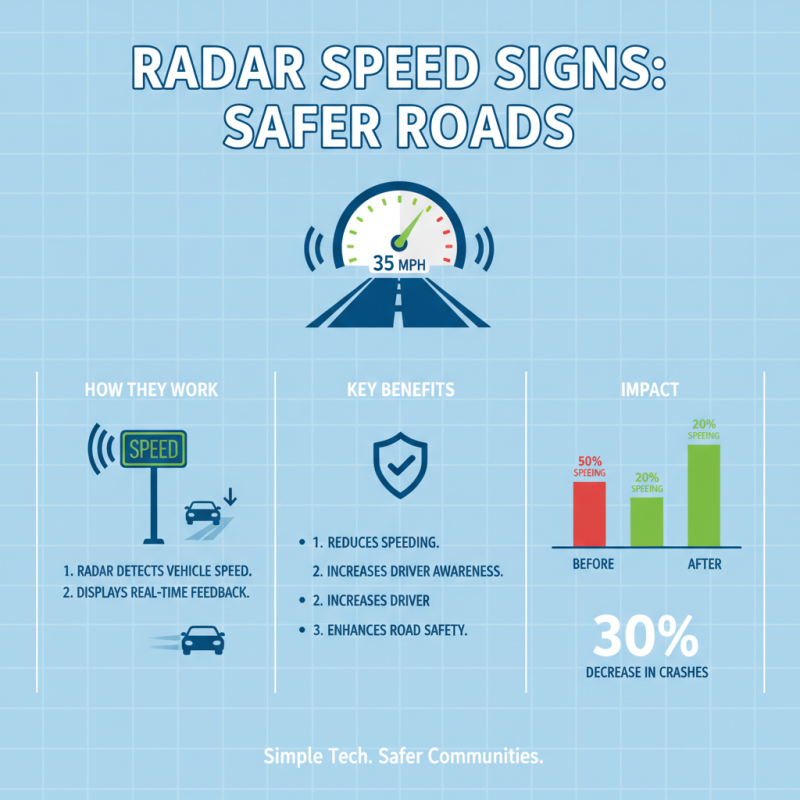
In recent years, Radar Speed Signs have gained attention as vital tools for enhancing road safety. These signs display the speed of approaching vehicles, alerting drivers to their current speed. According to the National Highway Traffic Safety Administration (NHTSA), speed-related accidents account for 26% of traffic fatalities in the United States. Radar Speed Signs can reduce speeding by an average of 30%, showcasing their potential impact.
Dr. Emily Carter, a leading traffic safety expert, stated, "Radar Speed Signs provide immediate feedback that can change driver behavior." This feedback is crucial in areas where speeding is common, such as school zones and residential neighborhoods. Implementing these signs can create a safer environment for pedestrians and cyclists. However, it is important to consider that while these signs can be effective, they are not a complete solution to speeding issues.
Communities must balance technology with driver education initiatives. Ongoing discussions about improving safety are necessary. As we strive for safer roadways, the role of Radar Speed Signs will continue to evolve. Investing in these technologies and evaluating their effectiveness is essential for creating safer streets.
Definition and Functionality of Radar Speed Signs
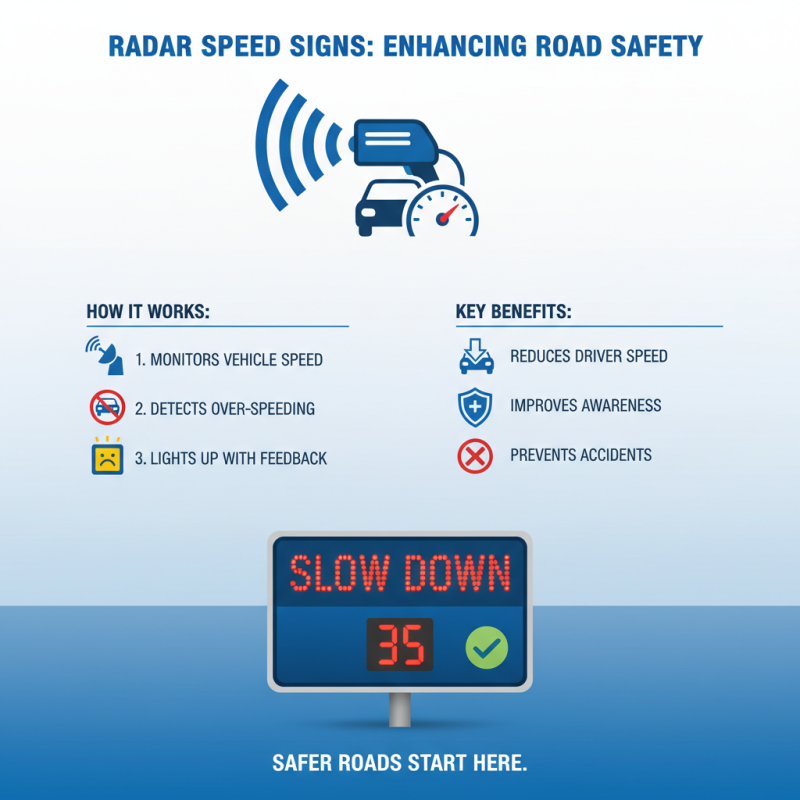
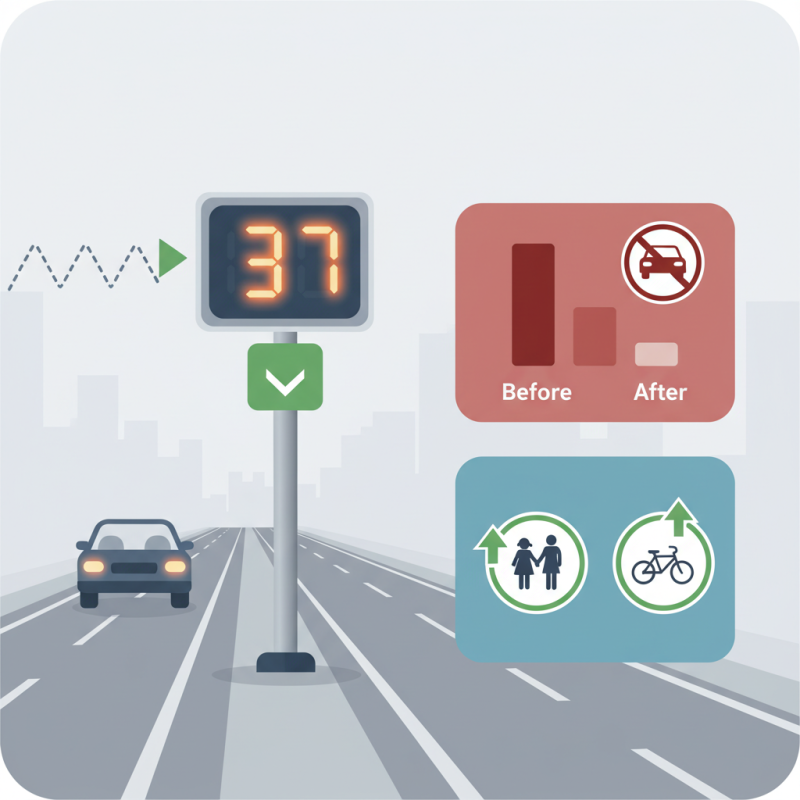
Radar speed signs are key tools used to enhance road safety. These signs use radar technology to monitor vehicle speeds. When a driver exceeds the speed limit, the sign lights up. This immediate feedback is crucial. It encourages drivers to slow down. As a result, it helps reduce the risk of accidents.
The functionality of radar speed signs extends beyond simple speed monitoring. They can collect data on traffic patterns. This data can assist local authorities in making informed decisions about road safety measures. For instance, if many drivers exceed the limit at a specific spot, actions can be taken. Speed bumps or additional signage might be implemented. However, not all signs are effective. Some drivers may ignore them entirely. This highlights the need for ongoing assessment and improvement.
In some areas, radar speed signs are not well placed. If they are hidden by trees or signs, their impact diminishes. Moreover, consistent public awareness campaigns are essential. Without them, the effectiveness of these signs may decline over time. Future strategies should focus on better placement and promotion to maximize their potential benefits.
How Radar Speed Signs Measure Vehicle Speed
Radar speed signs are increasingly common on our roads. They improve safety by measuring vehicle speed in real time. These signs use radar technology to detect how fast a vehicle is approaching. They display the speed, providing immediate feedback to drivers. This method has been shown to reduce speeding incidents significantly.
According to a study by the Insurance Institute for Highway Safety, areas with radar speed signs observed a 30% reduction in speeding violations. This is a compelling statistic for communities striving to improve road safety. It highlights the importance of speed control in reducing accidents.
Tips: When placing radar speed signs, choose locations with a history of speeding issues. Ensure signs are visible and use bright colors for maximum impact. Regular maintenance is crucial; a malfunctioning sign can lead to violations not being recorded.
In some cases, the effectiveness of these signs can wane over time. Drivers may become accustomed to the presence of the signs and ignore them. It’s crucial to rotate their locations to maintain effectiveness. Adjusting their display settings can also refresh their impact, reminding drivers to stay vigilant.
The Role of Radar Speed Signs in Traffic Safety
Radar speed signs serve an important purpose in enhancing traffic safety. They actively measure vehicle speeds and display them in real-time. This immediate feedback catches drivers off guard, urging them to slow down. When drivers see their speed displayed, it triggers a moment of reflection. They may not even realize they were exceeding the limit until that moment.
The presence of these signs can change driver behavior. For instance, in school zones, they remind motorists to be vigilant. Children may be nearby, and every slow-down counts. However, there are limitations. Some drivers ignore the signs, thinking they won't get caught. This mentality is a concern for safety advocates.
Additionally, radar speed signs can be rotated or moved to different locations. While this variation keeps drivers alert, it can also lead to confusion. A lack of consistency may result in drivers underestimating the need to adhere to speed limits. Engaging communities in discussions about these signs often reveals mixed feelings. Many appreciate their role, but others question their effectiveness.
Benefits of Implementing Radar Speed Signs in Communities
Radar speed signs are becoming increasingly popular in communities. These signs display the speed of approaching vehicles, aiming to make drivers more aware of their speed. When drivers see their own speed, they often slow down. This immediate feedback can lead to safer driving habits.
Implementing radar speed signs can enhance road safety significantly. They are especially effective in school zones and residential areas. Children playing near roads are at risk, and these signs help to remind drivers to slow down. The visual aid of a speeding vehicle's data can provoke a sense of responsibility. However, there can be challenges too. Some drivers may ignore the signs or speed up to see their displayed speed. This behavior deserves attention as it can negate the signs' purpose.
Despite their effectiveness, communities should assess their usage regularly. It is important to evaluate whether these signs are yielding the intended results. Gathering data on speed reduction and accident rates can help. This reflection will ensure that radar speed signs serve their best purpose in enhancing safety for all road users.
Impact of Radar Speed Signs on Driver Behavior and Compliance
Radar speed signs are vital tools that help improve safety on our roads. They actively display vehicle speeds, providing immediate feedback to drivers. When a driver sees their speed, they often reconsider their behavior. This real-time feedback can lead to more compliant driving.
Studies show that these signs significantly reduce speeding. Drivers slow down when they notice the signs. In areas with radar speed signs, there can be a noticeable drop in average speeds. Nonetheless, not all drivers respond positively. Some may ignore the signs altogether or become overly reliant on them.
The presence of these signs also raises awareness about speed limits. It can spark conversations about road safety within communities. However, their effectiveness depends on consistent placement and visibility. If a sign is not properly maintained, its impact diminishes. Awareness needs continuous effort to keep drivers committed to safe speeds.
What is a Radar Speed Sign and How Does it Improve Safety? - Impact of Radar Speed Signs on Driver Behavior and Compliance
| Location |
Average Speed Before Sign (mph) |
Average Speed After Sign (mph) |
Speed Compliance Improvement (%) |
Accident Reduction (%) |
| Main Street |
45 |
35 |
22 |
30 |
| Second Avenue |
50 |
40 |
20 |
25 |
| Oak Drive |
40 |
30 |
25 |
35 |
| Pine Lane |
55 |
45 |
18 |
20 |
| Elm Street |
30 |
25 |
17 |
10 |