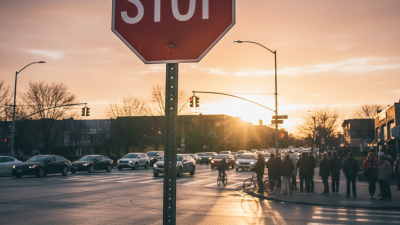
What is the Purpose of Traffic Signals and Road Signs?
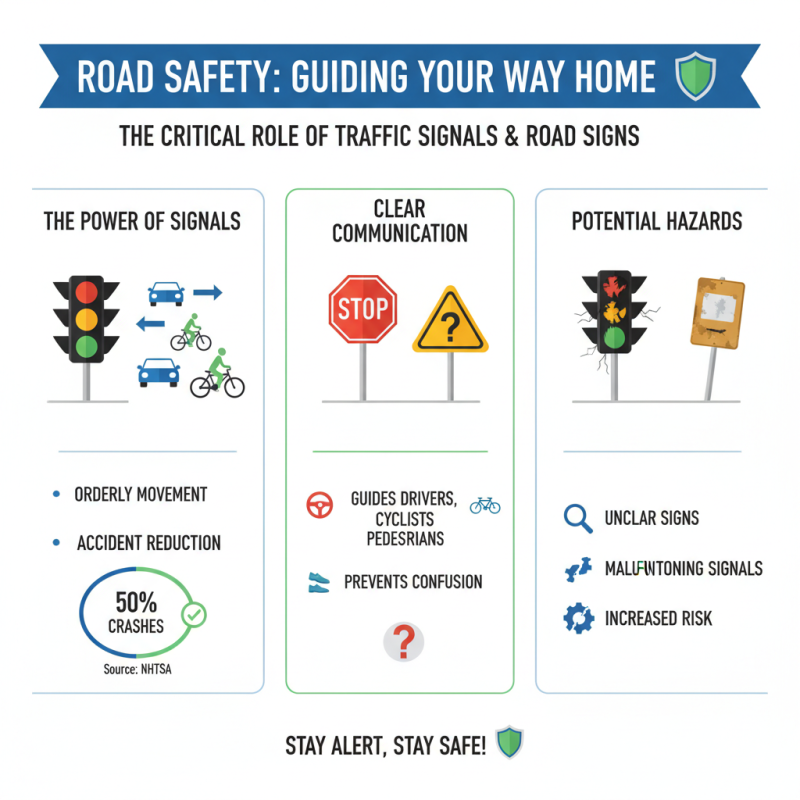
Traffic signals and road signs play a vital role in ensuring safe travel on our roads. According to Dr. Sarah Johnson, a renowned traffic safety expert, "Effective traffic signal and road signs can reduce accidents significantly." They guide drivers, pedestrians, and cyclists, helping maintain order on busy streets. However, many people take these important tools for granted.
The design and placement of traffic signals and road signs must be carefully considered. A poorly placed stop sign can lead to confusion and accidents. Similarly, a malfunctioning traffic signal can create chaos at an intersection. These scenarios remind us that not all systems are perfect. Regular assessments and updates are necessary to enhance their effectiveness.
Despite their importance, some road users ignore signals or misinterpret signs. This negligence can lead to dangerous situations. There’s a clear need for education on the purpose of traffic signal and road signs. Improving public awareness can save lives and enhance safety for everyone on the road.
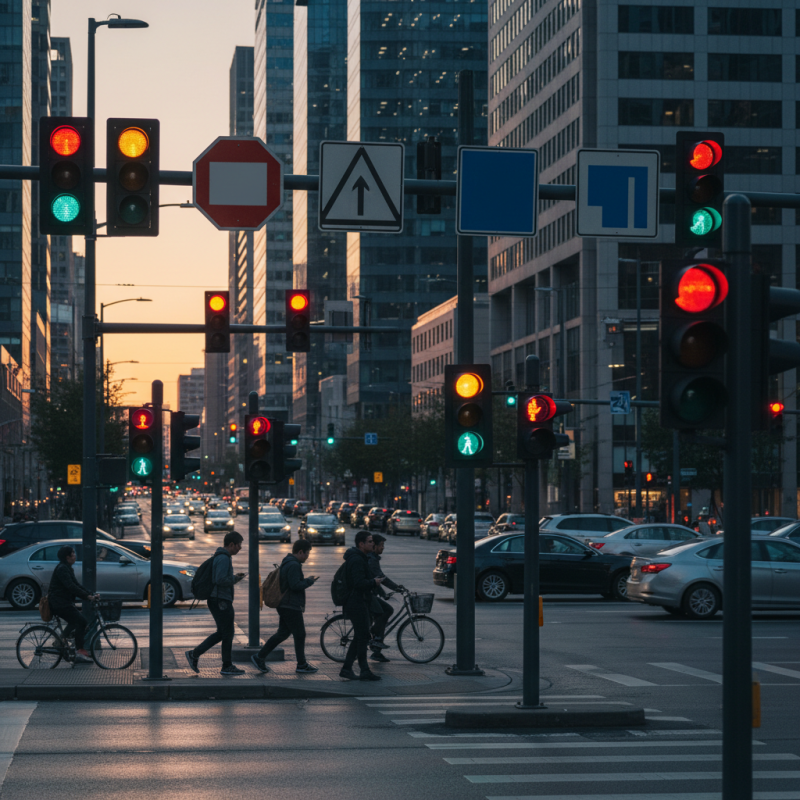
Understanding the Basic Functions of Traffic Signals
Traffic signals and road signs play a critical role in road safety. These systems guide drivers, cyclists, and pedestrians, ensuring orderly movement. According to the National Highway Traffic Safety Administration, proper signal use can reduce traffic accidents by up to 50%. Yet, confusion often arises from unclear signs or malfunctioning signals, resulting in potentially dangerous situations.
The main functions of traffic signals are to regulate and control the flow of vehicles. For example, red lights indicate a full stop while green lights signal that it’s safe to go. However, an alarming percentage of drivers fail to obey traffic signals. In fact, reports show that nearly 20% of accidents are due to running red lights. There's a need for better compliance education.
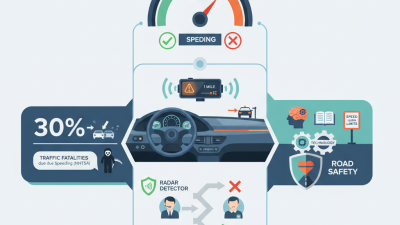
Road signs serve various purposes, including warnings and informational guidance. Warning signs alert drivers to potential dangers, like sharp turns or pedestrian crossings. Despite this, many drivers overlook these signs. Studies indicate that up to 30% of crashes occur in areas with poorly visible signage. Improving visibility and clarity is essential for enhancing road safety.
Types of Traffic Signals and Their Specific Purposes
Traffic signals and road signs play a crucial role in ensuring road safety and efficiency. They regulate the flow of vehicles and pedestrians. Different types of signals serve unique purposes. Traffic lights, for example, direct vehicles at intersections. A report from the National Highway Traffic Safety Administration (NHTSA) states that proper use of traffic signals can reduce accidents by up to 30%. This data highlights the importance of understanding these systems.
Road signs also contribute significantly to traffic management. Stop signs alert drivers to halt before proceeding. Yield signs indicate that drivers must prepare to give way. According to studies, clear signage can decrease confusion and improve driver behavior. Yet, many drivers still fail to recognize or obey these signals. The Federal Highway Administration notes that nearly 10% of drivers ignore stop signs. This is an area that requires more public awareness campaigns and education on road rules.
Pedestrian signals are equally important. They guide foot traffic across busy streets. However, not all cities are equipped with pedestrian-friendly signals. Some towns still rely on outdated systems. The World Health Organization emphasizes the need for modern traffic management to enhance pedestrian safety. This reflects a broader need for cities to invest in updated traffic control systems that reflect current demands and technologies.
The Role of Road Signs in Traffic Management
Road signs play a crucial role in traffic management. They provide essential information for drivers, pedestrians, and cyclists. According to the Federal Highway Administration, over 35% of traffic accidents occur due to a failure to obey signs. Clear and visible signs can reduce this number significantly. For instance, a well-placed stop sign can lower intersection accidents by up to 20%.
In urban areas, proper signage helps maintain order. Inconsistent or unclear signs can confuse drivers and lead to unsafe conditions. Research shows that ambiguous directions increase response times, sometimes leading to hesitations and erratic driving behavior. A study published in the Journal of Transportation Engineering revealed that standardized road signs enhance compliance rates, improving overall safety on the roads.
However, not all road signs are effective in every situation. Environmental factors like weather and visibility can hinder their impact. Some signs may also become obsolete or misleading because of infrastructure changes. Regular assessments of sign effectiveness are needed to ensure they serve their purpose. Addressing these issues is essential for enhancing road safety and optimizing traffic flow.
Impact of Traffic Signals and Signs on Road Safety
Traffic signals and road signs play a crucial role in enhancing road safety. Their primary purpose is to guide drivers and pedestrians. These tools provide essential information about speed limits, road conditions, and potential hazards. When used properly, they can significantly reduce the likelihood of accidents.
However, the effectiveness of traffic signals and signs can be limited. Issues like poor visibility or unclear signage can create confusion. Drivers might ignore signs, leading to dangerous situations. Sometimes, signals malfunction, causing delays and frustration. Such instances highlight the importance of regular maintenance and updates to traffic systems.
Additionally, not all drivers and pedestrians are aware of the rules. Some might not understand the meaning of certain signs. Education about road safety is vital. Awareness campaigns could improve compliance. But there is still a long way to go. Constant reminders on the road are necessary to maintain safety. A collaborative effort is needed to address these challenges effectively.
Evolution and Innovation in Traffic Control Systems
Traffic signals and road signs have come a long way, adapting to advances in technology and urban planning. As populations grow, the need for efficient traffic control becomes paramount. According to a report by the Institute of Transportation Engineers, properly functioning traffic signals reduce accidents by up to 40%. This data emphasizes the importance of effective design and placement.
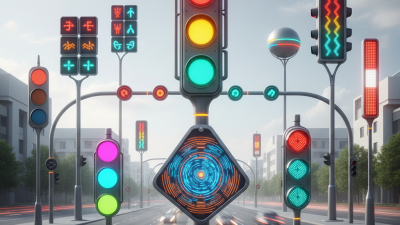
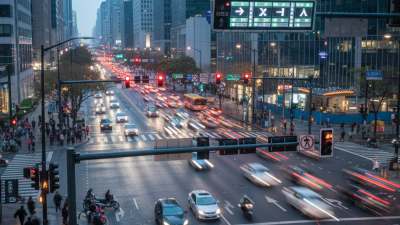
The evolution of traffic control systems now includes smart technology. Adaptive traffic signals can adjust in real-time based on traffic flow. This innovation not only improves safety but also enhances mobility. Cities that implement these systems can see a significant decrease in congestion. However, challenges remain. Some areas still rely on outdated systems, leading to confusion and delays.
**Tips:** Always pay attention to the latest signals and road signs. They are designed to keep you safe. If a signal malfunctions, report it. Your actions can help improve traffic efficiency. Awareness of your surroundings is key.
As cities expand, innovations should continue to evolve. The integration of AI and machine learning holds promise for future systems. While these advancements can offer more responsive control, they raise questions about infrastructure costs and maintenance. Balancing technology with usability remains a challenge for urban planners.
Traffic Signals and Road Signs Evolution
This chart shows the number of implementations of various traffic control systems, highlighting the evolution of road signs and signals over the years. The data reflects trends in urban planning and road safety initiatives.