2026 How to Master Traffic Signal Management for Better Road Safety?
In the world of traffic control, effective management of traffic signals is crucial. Renowned traffic signal expert Dr. Emily Carter once stated, “Optimizing traffic signals can significantly improve road safety.” This highlights the pressing need for innovation in traffic signal management.
Traffic signals are the backbone of urban traffic systems. These signals guide vehicles and pedestrians, shaping the flow of daily commutes. However, many cities struggle with outdated systems that cause delays and accidents. A poorly timed traffic signal can lead to frustration and dangerous situations. We must address these issues.
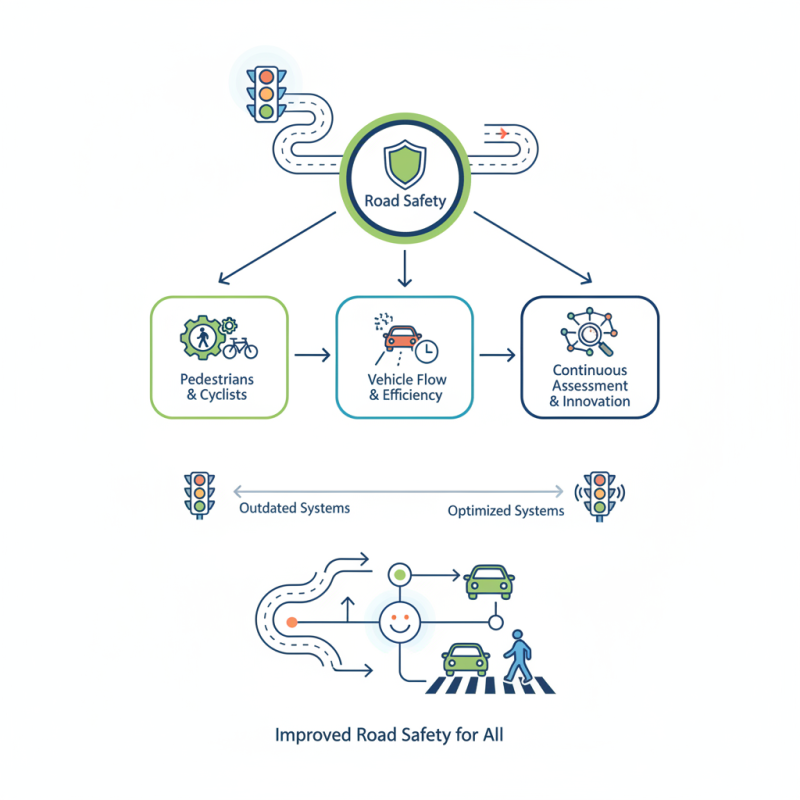
Improving traffic signal management is not just about technology. It involves understanding the needs of pedestrians, cyclists, and drivers alike. Each group has different requirements. A subtle tweak in timing can enhance safety for everyone. The challenge lies in balancing these needs while ensuring efficiency. Continuous assessment is essential. Reflecting on current practices can uncover areas for improvement, leading to safer roads for all.
Understanding Traffic Signal Management: Key Concepts and Importance
Traffic signal management is vital for road safety. It involves understanding how lights function and their timing. Proper management can reduce accidents and improve the flow of traffic. In many cities, signals are not synchronized well. This can lead to frustration among drivers and increase the likelihood of collisions.
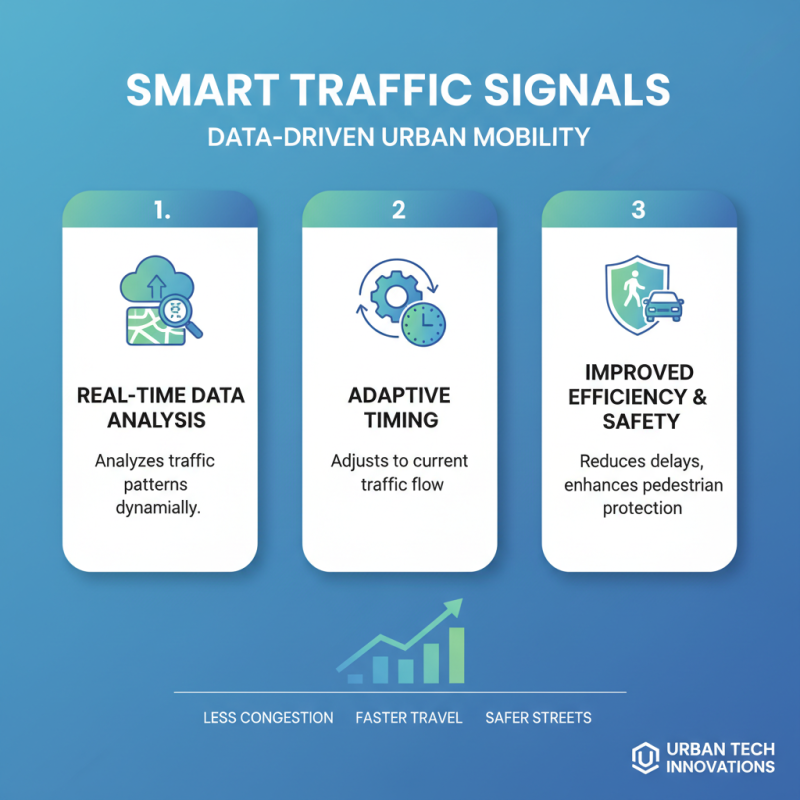
Effective traffic signal systems rely on data-driven decisions. Analyzing traffic patterns helps to optimize signal timing. Sometimes, simple changes can have a significant impact. For instance, adjusting the duration of green lights during rush hours can ease congestion. However, not all systems implement these changes effectively. Some cities may overlook real-time data, leading to stalled progress.
Public awareness is crucial. Drivers must understand traffic signals and their meanings. Yet, misinterpretation occurs frequently. Many ignore traffic lights when they feel it is safe. This behavior needs evaluation. Educational campaigns can help bridge this gap. Improving public understanding is as important as technical enhancements.
Traffic Signal Management: Key Concepts and Importance
The chart above illustrates the impact of various traffic signal management strategies on road safety. Each strategy is rated on a scale from 1 to 10, demonstrating their effectiveness in enhancing safety measures on the roads.
The Role of Signal Timing in Accident Reduction: Industry Statistics
Effective traffic signal management plays a crucial role in enhancing road safety. Proper signal timing can significantly reduce accidents. According to the National Highway Traffic Safety Administration (NHTSA), over 30% of all traffic fatalities involve intersections. Timely adjustments to signal phases can help mitigate these risks.
Data shows that optimizing signal timing can lower crash rates by up to 25%. When signals are synchronized, drivers face fewer stop-and-go scenarios. This reduces frustration and distractions behind the wheel. Moreover, a study from the Institute of Transportation Engineers indicates that well-timed signals decrease pedestrian accidents by 20%. However, many cities still struggle with outdated systems.
The challenge lies in the implementation of modern traffic management technologies. Some signals remain inefficient due to budget constraints. Real-time data collection could enhance performance, but not all jurisdictions utilize it. An analysis highlights that cities implementing adaptive signal control see clear improvements, yet many remain hesitant to adopt such systems. Thus, the potential for better road safety is not fully realized.
Emerging Technologies in Traffic Signal Control: A Data-Driven Approach
Emerging technologies are transforming traffic signal control, making it more efficient and safer. Implementing a data-driven approach allows cities to analyze traffic patterns in real time. This leads to improved signal timing and better control of congestion. For instance, adaptive signal control systems can change signals based on current traffic flow. This reduces delays and can enhance pedestrian safety.
However, challenges remain. Not all cities have the infrastructure to support these upgrades. Data privacy concerns also arise when collecting information from vehicles and mobile devices. Many traffic systems still rely on outdated technology that fails to adapt. Without proper investment and planning, the potential of these new systems might not be fully realized.
It's crucial to engage communities in the planning process. Public input can highlight specific needs and concerns. A successful traffic signal management strategy must be transparent. Education about these technologies is essential too. When people understand the benefits, they might support changes more readily.
Evaluating Traffic Signal Efficiency: Metrics and Performance Indicators
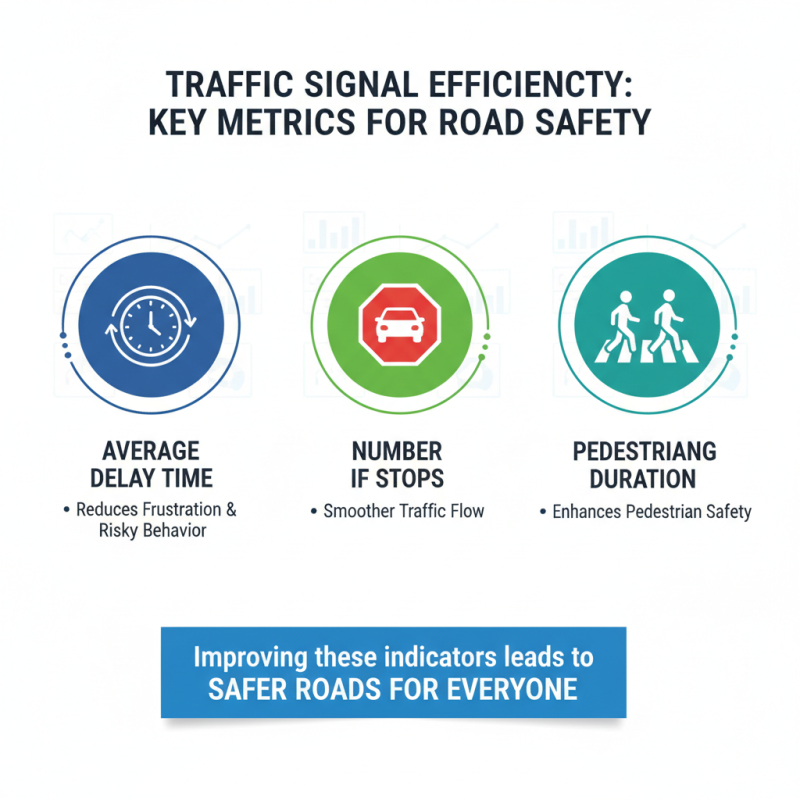
Traffic signal management plays a crucial role in road safety. Evaluating traffic signal efficiency involves several key metrics. These include average delay times, the number of stops, and pedestrian crossing duration. Observing these indicators helps illuminate areas needing improvement. For example, excessive delays can frustrate drivers, leading to risky behaviors.
Moreover, performance indicators must be analyzed regularly. Some signals may not respond well to changes in traffic patterns. This can be due to outdated technology or a lack of adaptability. In certain cases, pedestrian waiting times can exceed acceptable limits. There is a need for continuous monitoring and adjustment.
In discussions about traffic efficiency, human factors often go unaddressed. The behavior of drivers and pedestrians can influence overall safety. Drivers may become impatient, running red lights in frustration. Pedestrians might cross at unsafe times. Both scenarios highlight gaps in current systems. Thus, understanding traffic signal efficiency requires a holistic approach.
Case Studies: Successful Traffic Signal Management Implementations Worldwide
Traffic signal management plays a crucial role in road safety. Many cities have implemented innovative solutions. For example, one city introduced adaptive signals. These adjust in real-time based on traffic flow. As a result, traffic jams were reduced significantly. Drivers reported shorter wait times and improved satisfaction.
In another case, a city focused on pedestrian safety. They installed countdown timers at crosswalks. This simple addition helped pedestrians judge their time to cross. Studies showed pedestrian accidents decreased in these areas. However, not all implementations succeed. Some cities faced backlash for confusing signals. Residents felt frustrated by constant changes.
Learning from these experiences is essential. Each case provides insights into what works and what doesn’t. Urban planners must keep gathering data. Understanding community needs can lead to better designs. Effective communication with residents is also necessary. Mistakes can be valuable lessons for future projects.
2026 How to Master Traffic Signal Management for Better Road Safety?
| City |
Implementation Year |
Traffic Signal Type |
Reduction in Accidents (%) |
Additional Features |
| City A |
2021 |
Adaptive Signal Control |
30 |
Real-time traffic monitoring |
| City B |
2020 |
Smart Traffic Signals |
25 |
Pedestrian detection |
| City C |
2019 |
Coordinated Signals |
20 |
Emergency vehicle preemption |
| City D |
2022 |
V2I Communication Systems |
35 |
Connected vehicle alerts |
| City E |
2023 |
Integrated Urban Traffic System |
40 |
Data analytics and reporting |