What is Led Strobe Lights and How Do They Work?
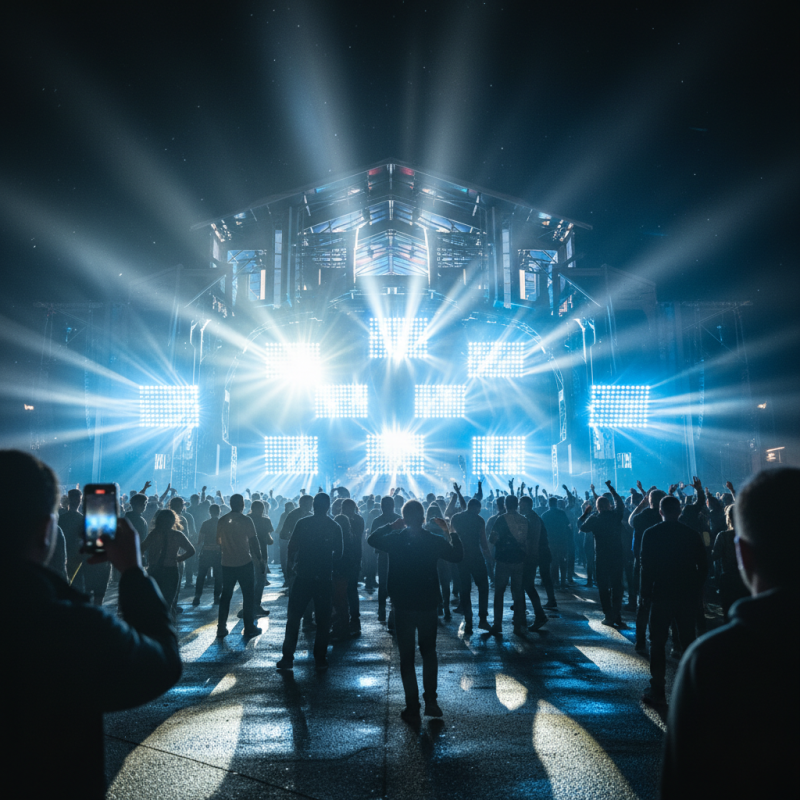
Led Strobe Lights have transformed various sectors, including entertainment and safety. As John Smith, a leading expert in illumination technology, once stated, "The pulse of Led Strobe Lights creates a visual experience that captivates." This technology utilizes rapid bursts of light to create stunning effects.
These lights operate through a rapid on-off cycling mechanism, making them ideal for concerts and emergency situations. Their high visibility can alert people or add excitement to performances. However, not all users appreciate them. Some may find the flashing lights disorienting or distracting.
It’s crucial to understand both the benefits and potential downsides of Led Strobe Lights. While they enhance experiences, they might also lead to discomfort for some individuals. As the industry evolves, better design and use practices are necessary to balance safety and visual appeal.
Understanding LED Strobe Lights: An Overview
LED strobe lights are becoming increasingly popular in various applications, from entertainment to safety. Their bright flashes draw attention effectively, an essential feature in emergency vehicles, concerts, and nightclubs. According to industry reports, the LED strobe light market is projected to grow by 7.1% annually over the next five years. This growth underscores their significance in modern lighting solutions.
Understanding how these lights work is crucial. LED strobe lights typically utilize rapid on-off switching. This quick flicker can create an illusion of motion or highlight an area vividly. Most strobe lights have a light output measured in lumens, which indicates their brightness. For public safety, a light output of around 1200 lumens is often recommended. However, not all strobe lights deliver the same efficacy in various conditions. Dimensions of power consumption also vary significantly, leading to inefficient usage in some setups.
Many users sometimes overlook the importance of positioning and frequency settings. The wrong angle or low flash rate can diminish the effectiveness of LED strobe lights. Gaps in understanding how to calibrate these lights might result in less-than-ideal performance. Research suggests a need for better education around usage scenarios and best practices. Failure to address these areas can lead to safety hazards or unwanted glare, proving crucial in environments requiring high visibility.
The Technology Behind LED Strobe Lights
LED strobe lights are fascinating devices commonly used in various settings. Their core technology revolves around light-emitting diodes (LEDs) that produce intense bursts of light. Unlike traditional incandescent bulbs, LEDs use less energy and last longer. In fact, a study by the Department of Energy shows that LEDs can last up to 25 times longer than standard bulbs.
The mechanism of LED strobe lights is simple, yet effective. They generate rapid flashes of light by turning the LED on and off at high frequencies. This rapid cycling creates the strobe effect. Research indicates that humans perceive flashes as bright, even when they are brief. The durations can vary, typically ranging from 0.1 to 1 second. The strobe light's cycle can effectively attract attention, making them useful in emergency situations and entertainment.
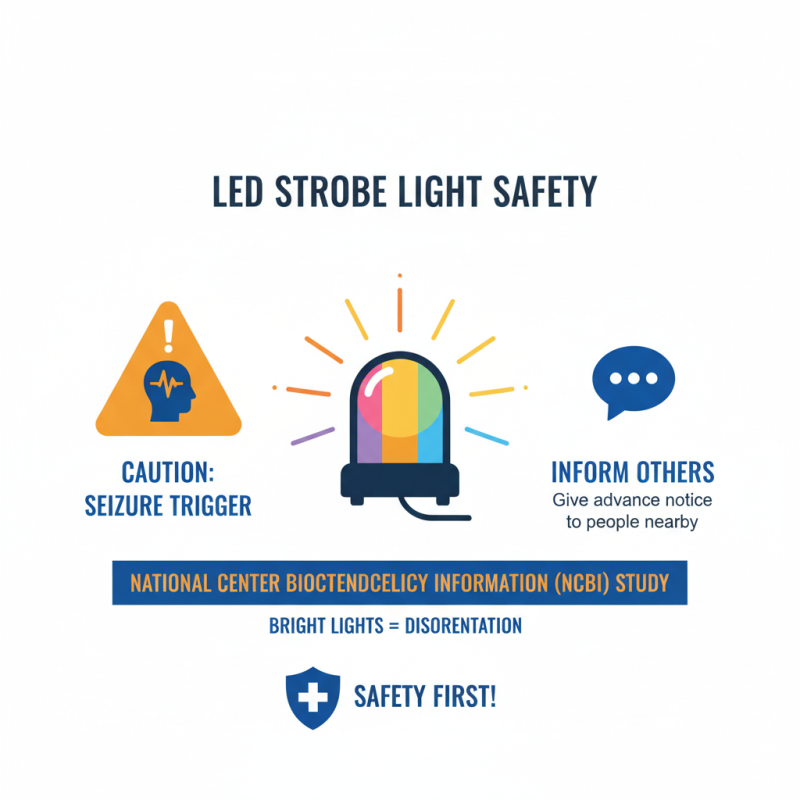
However, using LED strobe lights is not without challenges. The intensity of the light can cause discomfort for some individuals. Reports also suggest that prolonged exposure may lead to headaches or visual disturbances. These effects highlight the need for careful consideration in design and usage to ensure safety. Thus, while LED strobe lights are a powerful tool, they require responsible deployment to maximize their benefits while minimizing risks.
What is Led Strobe Lights and How Do They Work? - The Technology Behind LED Strobe Lights
| Feature |
Details |
| Light Source |
LED (Light Emitting Diode) |
| Power Consumption |
Low (typically 10-50 watts) |
| Flash Rate |
Adjustable (up to 10 flashes per second) |
| Lifespan |
Up to 50,000 hours |
| Color Temperature |
Ranges from 6000K to 7000K |
| Applications |
Emergency vehicles, stage lighting, camera flashes |
| Control Mechanism |
DMX, Wireless, Manual |
How LED Strobe Lights Produce Light Effects
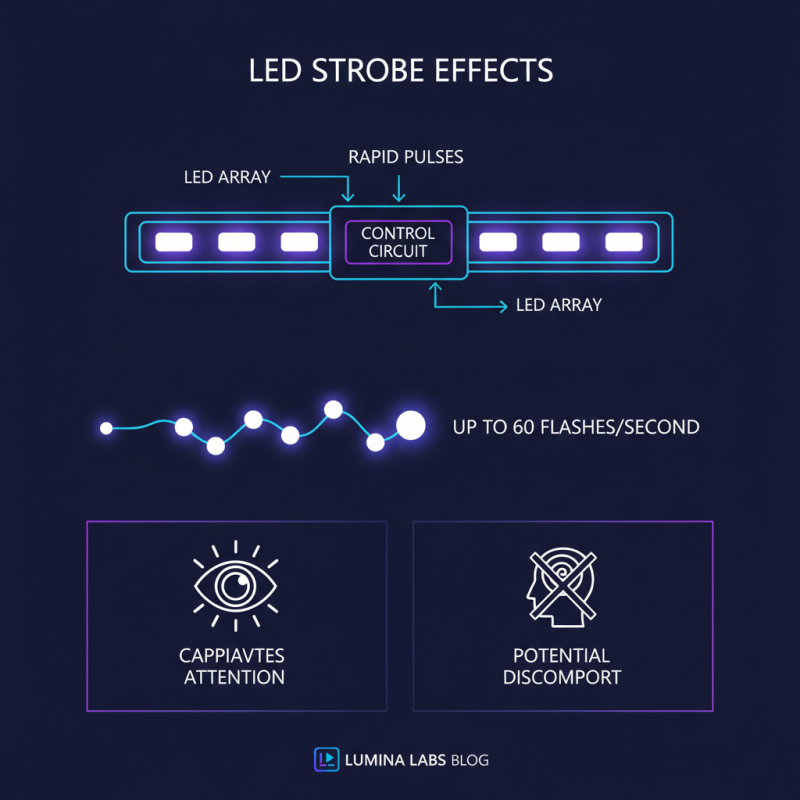
LED strobe lights create stunning visual effects through a unique process. They use rapid bursts of light to achieve their signature flashing. These lights function via a series of LEDs that can turn on and off at high speeds. A control circuit governs the timing of these bursts. Research shows that these strobe lights can operate at rates up to 60 flashes per second. This rapid flicker can captivate attention but also risks causing discomfort.
When it comes to color and intensity, LED strobe lights have distinct advantages. They offer high brightness levels with lower energy consumption. According to a 2022 industry report, LED strobe lights consume 75% less energy than traditional strobe lights. This efficiency makes them popular in various settings, from concerts to safety signaling. However, users must be mindful of the potential for light sensitivity issues. Some individuals may experience adverse reactions from prolonged exposure to flashing lights.
In a world driven by visual aesthetics, LED strobe lights are both innovative and challenging. Balancing effect and potential discomfort is crucial. As technology advances, the quality of strobe lights continues to improve. However, the industry still needs to address the impact on sensitive viewers. Developing features that allow for customizable settings could pave the way for broader acceptance.
Applications of LED Strobe Lights in Various Fields
LED strobe lights have found extensive applications across various industries. In the entertainment sector, they are commonly used in concerts and clubs. The bright, flashing lights create an electrifying atmosphere. They enhance performances, making them unforgettable. However, the rapid strobe effect may cause discomfort for some attendees.
In emergency situations, LED strobe lights serve a critical purpose. They are essential in police cars and ambulances. The flashing lights alert drivers and pedestrians. This contributes to safer responses during emergencies. Yet, their bright intensity can be overwhelming at night, requiring careful usage.
In industrial settings, LED strobe lights improve safety. They signal equipment malfunctions or alert workers to dangers. Visibility is increased, helping prevent accidents on the factory floor. Nonetheless, if not properly maintained, strobe lights can fail to provide adequate warnings, highlighting the need for regular checks.