2026 How to Improve Traffic Signal Efficiency for Better Urban Mobility?
Urban mobility faces immense challenges. Traffic congestion remains a persistent issue, impacting travel time and economic productivity. According to the Texas A&M Transportation Institute, traffic congestions led to a loss of over $100 billion in 2020. Improving Traffic Signal efficiency is crucial to address this dilemma.
Experts emphasize the importance of optimizing Traffic Signals. Dr. Emily Henderson, a leading authority in traffic management, stated, “Upgrading signaling technology is not just beneficial; it's essential for modern urban areas.” As cities grow and populations increase, outdated signal systems struggle to cope. Many Traffic Signals operate on fixed timings, lacking adaptability. This inefficiency causes longer wait times and increased emissions.
Real-time adjustments based on traffic flow data could significantly enhance urban mobility. However, integrating these smart systems can be complex and costly. Moreover, public awareness and acceptance are vital for successful implementation. Reflection on current practices reveals a need for innovation in our approach to Traffic Signal management. Urban planners must prioritize this shift to ensure sustainable city development.
Understanding Traffic Signal Efficiency in Urban Environments
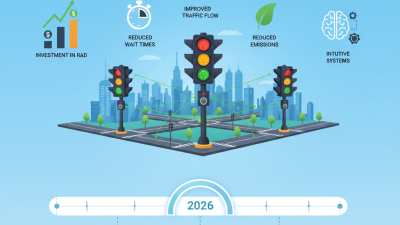
Traffic signal efficiency plays a crucial role in urban mobility. Research indicates that poorly timed signals can cause 20% of traffic delays. Adjusting signal timing could reduce delays significantly. In fact, optimizing traffic signals could cut fuel consumption by 10% in urban areas, reducing carbon emissions in the process.
To enhance signal efficiency, cities should adopt adaptive signal control technologies. These systems respond to real-time traffic conditions. However, many municipalities lack the budget to implement such innovations. A report by the Institute of Transportation Engineers states that 67% of American cities still use traditional timing systems. This gap hinders urban mobility and increases frustration among commuters.
Failing to address memory limitations in signal programming can lead to inefficient operations. Data shows that over 30% of signals do not adapt to changing traffic patterns. While some cities are piloting new technologies, widespread application remains out of reach. The challenge is significant, but addressing these issues is vital for creating smoother urban transit experiences.
Current Challenges in Urban Mobility and Traffic Signal Management
Urban mobility faces significant challenges today. Traffic congestion costs cities billions in lost productivity. According to a report from the Texas A&M Transportation Institute, congestion alone drained nearly $87 billion from the U.S. economy in 2019. The inefficiency of traffic signals exacerbates this problem. Many signals still operate on fixed timing schedules, which fail to adapt to real-time traffic conditions. This often leads to frustrating delays for drivers and pedestrians alike.
Data shows that optimizing traffic signals can improve flow by up to 30%. Cities are beginning to recognize the potential of adaptive signal control technologies. These systems use real-time data to adjust the timing of lights based on traffic demands. Yet, not all cities are willing to invest in this technology. Some lack the funds or infrastructure needed for implementation. As a result, many motorists continue to face long wait times at intersections.
A glaring issue is the disconnect between traffic management systems and public transportation. A report from the National Association of City Transportation Officials indicates that 60% of bus riders experience delays due to traffic signals. This hampers the reliability of transit services. If adjustments aren't made, urban mobility will only become more problematic. The path to improvement requires both innovative solutions and a willingness to invest.
Technological Innovations for Enhancing Traffic Signal Performance
Urban mobility is becoming increasingly important as cities grow. Traffic signals play a vital role in this system.
Technological innovations are crucial for enhancing their performance.
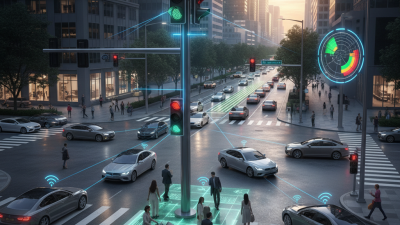
Smart traffic signals can adapt in real-time. They use sensors to monitor traffic flow. This data helps in
reducing congestion on busy roads.
Applications like
machine learning can analyze traffic patterns.
These systems learn from historical data. They predict peak hours and adjust signal timings accordingly. Some cities
are experimenting with these advanced algorithms. However, challenges remain, such as
infrastructure costs and integration with existing systems.
Another innovation is
vehicle-to-infrastructure (V2I) communication. This allows vehicles to communicate with traffic signals.
Drivers receive notifications about signal changes. This technology is promising but still in early stages.
Testing has shown mixed results. There is much to reflect on regarding user adoption and technical hurdles.
Balancing innovation with practicality is essential for future urban mobility.
Best Practices for Implementing Efficient Traffic Signal Systems
Efficient traffic signal systems are crucial for modern urban mobility. According to a recent report by the American Traffic Safety Services Association, optimized traffic signals can reduce travel times by up to 20%. Improved signals can lead to smoother traffic flow, lowering congestion levels in busy urban centers.
Implementing adaptive signal control technology is among the best practices. This system adjusts signal timing based on real-time traffic conditions. A study by the Transportation Research Board found that cities using this technology experienced a 30% decrease in delays. However, cities often struggle with outdated infrastructure. Many signals still rely on fixed timing, resulting in inefficiency.
Another critical practice is prioritizing public transportation. Cities that give buses signal preemption can improve their travel speeds by 15%. This approach reduces waiting times at intersections. Still, not all urban areas prioritize this integration. Balancing car and public transport needs is an ongoing challenge. Policymakers must address these gaps to improve overall urban mobility.
2026 How to Improve Traffic Signal Efficiency for Better Urban Mobility? - Best Practices for Implementing Efficient Traffic Signal Systems
| Practice |
Description |
Expected Outcome |
Implementation Timeframe |
| Adaptive Signal Control |
Signals adjust in real-time based on traffic conditions. |
Reduced waiting times, improved flow. |
6-12 months |
| Traffic Signal Coordination |
Synchronizing signals along corridors to minimize stops. |
Increased average speed, decreased emissions. |
3-6 months |
| Pedestrian Countdown Timers |
Displays time remaining for pedestrians to cross safely. |
Enhanced pedestrian safety, better compliance. |
1-3 months |
| Emergency Vehicle Preemption |
Priority for emergency vehicles at traffic signals. |
Faster response times for emergencies. |
6-12 months |
| Real-time Traffic Monitoring |
Use of cameras and sensors to monitor traffic flow. |
Data-driven adjustments and improved planning. |
3-6 months |
Evaluating the Impact of Improved Traffic Signals on Urban Mobility
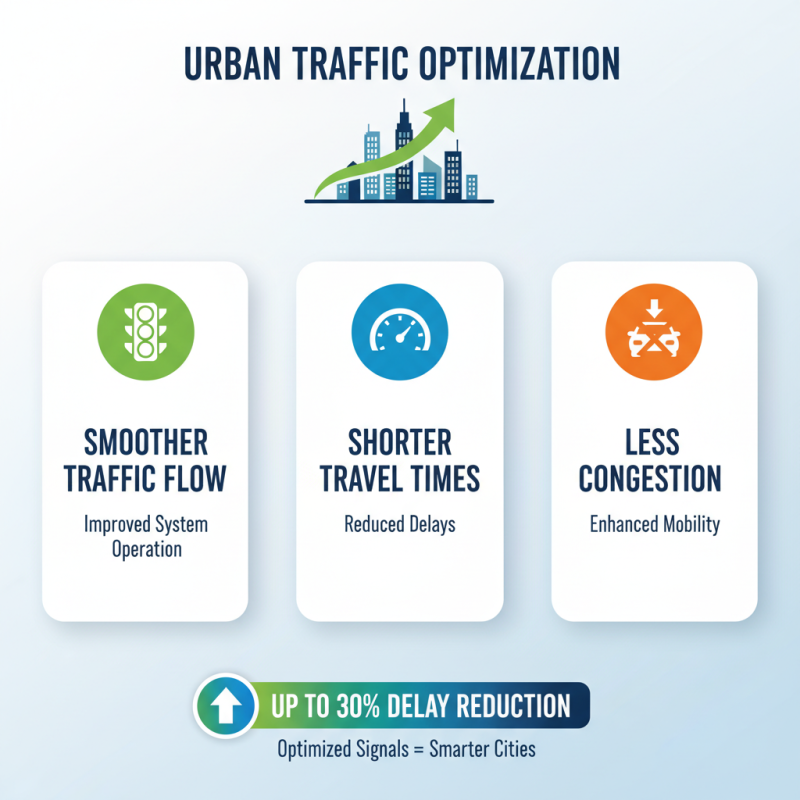
The efficiency of traffic signals plays a crucial role in urban mobility. When signals operate smoothly, the flow of traffic improves. This leads to shorter travel times and less congestion. Studies show that optimized signals can reduce delays by up to 30%.
Tips for improving signal efficiency include the use of sensors. They can detect real-time traffic conditions. Signals can adjust accordingly. Another tip is to implement adaptive signal control technology. This allows traffic lights to respond dynamically to traffic patterns. Additionally, pedestrian signals should be synchronized with vehicle signals to enhance safety and mobility.
However, not all systems work flawlessly. Some areas still face heavy delays despite upgrades. It’s essential to review these situations frequently. Data collection can help identify persistent issues. By engaging with local communities, planners can gather valuable feedback. They can refine systems that do not meet their expectations. Urban mobility continues to evolve, and so must our methods.