Why Is a Speed Detector Essential for Safe Driving?
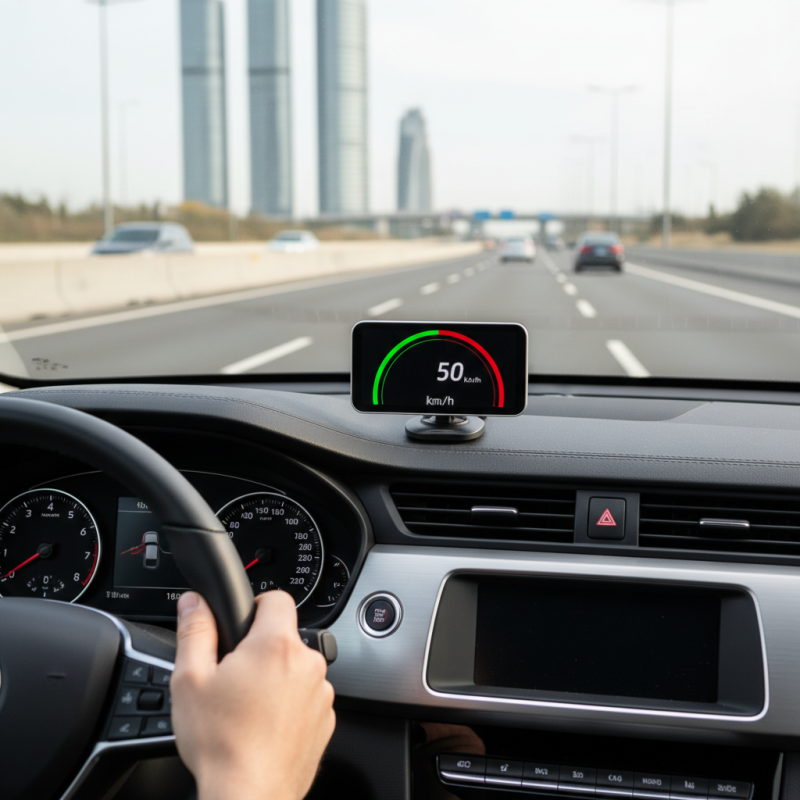
Driving safely is a vital concern for everyone on the road. One of the best tools for ensuring safety is a Speed Detector. This device helps monitor driving speed, providing real-time data that can prevent accidents.
Speed Detectors are essential for various reasons. They alert drivers when they exceed speed limits. Such awareness is crucial in high-traffic areas. Moreover, they help in creating a safer driving environment for all road users. However, some may overlook the importance of these devices. Relying solely on experience can lead to mistakes.
In today's fast-paced world, driving can be unpredictable. A Speed Detector can serve as a lifesaver. It encourages responsible behavior behind the wheel and promotes careful driving habits. Yet, it's important to reflect on our reliance on technology. Are we using these tools effectively? The answer could determine the future of road safety.
Understanding the Functionality of Speed Detectors in Vehicles
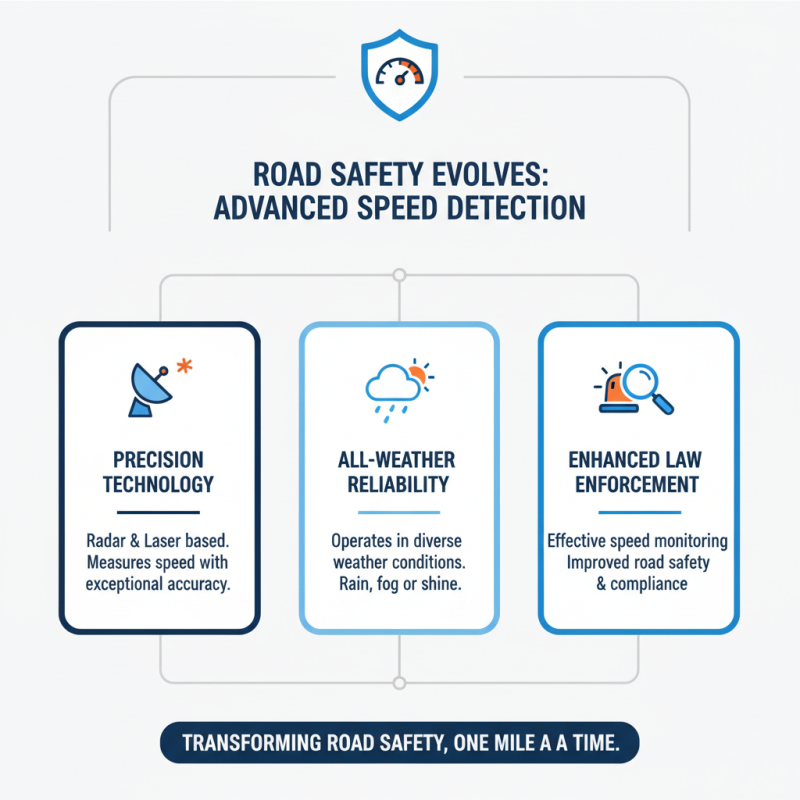
Speed detectors play a crucial role in maintaining road safety. These devices monitor the speed of vehicles in real-time, alerting drivers when they exceed safe limits. Understanding their functionality can shed light on their importance. Speed detectors often use radar or laser technology. They provide accurate readings, enhancing a driver’s awareness of their speed.
When drivers know their speed, they can adjust their driving behavior. This immediate feedback often leads to safer driving practices. However, many drivers may ignore these alerts. Distractions or overconfidence can lead to speeding, even when aware of the danger.
Moreover, speed detectors contribute to a broader safety system. They are often integrated with other technologies, such as collision warning systems. Yet, reliance on these tools raises questions. Can technology replace the need for responsible driving? Balancing technology use and personal accountability becomes essential for safe driving.
The Importance of Adhering to Speed Limits for Road Safety
Speed limits exist for a reason. They protect lives on the road. When drivers choose to ignore these limits, they risk serious accidents. A small moment of distraction can lead to fatal consequences. Cars traveling at high speeds have a longer stopping distance. This makes it harder to react to sudden obstacles. Speeding not only endangers the driver but also passengers and other road users.
Adhering to speed limits helps maintain traffic flow. It reduces the chances of collisions and encourages safer driving habits. In busy areas, excessive speed can lead to overwhelming chaos. Streets filled with pedestrians require caution and patience. Respecting speed limits creates a safer environment for everyone. It's a simple act that can save lives.
Yet, many drivers still push their limits. They may feel invincible behind the wheel. This mindset can lead to dangerous behavior. Some may think just a few miles over the limit won't matter. However, every bit counts when it comes to safety. Reflecting on one’s driving habits could bring about a much-needed change. Making that conscious effort to drive within limits can lead to safer roads for all.
Speed Limit Adherence and Accident Rates
This chart illustrates the relationship between adherence to speed limits and accident rates. It is evident that drivers exceeding the speed limit experience significantly higher accident rates compared to those who adhere to speed restrictions. Proper speed management is crucial for road safety.
How Speed Detectors Reduce the Risk of Accidents
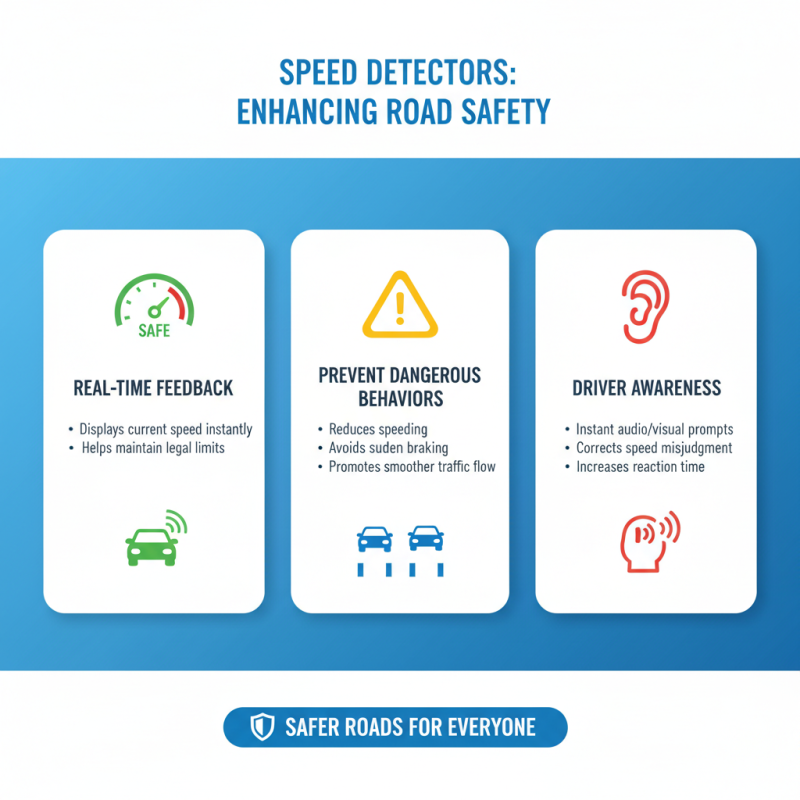
Speed detectors play a crucial role in enhancing road safety. They provide real-time feedback on vehicle speed, helping drivers stay within legal limits. This immediate awareness can prevent dangerous behaviors, such as speeding or sudden braking. Drivers often underestimate their speed without constant monitoring. The beep of a speed detector can serve as a prompt, reminding drivers to slow down.
Accidents frequently occur when drivers exceed speed limits. Higher speeds reduce reaction time and increase the severity of collisions. By alerting drivers to their current speed, detectors create a safer driving environment. Imagine approaching a busy intersection, with a speed detector notifying you to decrease your pace. This simple interaction can prevent a potential accident.
While speed detectors are effective, reliance on them alone isn't enough. Drivers need to remain vigilant and aware of their surroundings. Human error can still lead to dangerous situations. Reflecting on one’s driving habits is important. Do you often speed when in a hurry? A speed detector can help, but it won’t rectify reckless behavior. A responsible mindset combined with technology enhances road safety.
Legal Implications of Speeding and the Role of Speed Detectors
Speeding has significant legal implications. In 2020, the National Highway Traffic Safety Administration reported that speeding contributed to 29% of all traffic fatalities in the United States. Speeding tickets can lead to hefty fines and points on a driver's record. Accumulating too many points can result in license suspension. These consequences affect insurance rates and overall driving privileges.
Speed detectors play a crucial role in mitigating these risks. They alert drivers when they're approaching speed limits. This awareness can prevent accidents and avoid costly legal issues. According to a study by the Insurance Institute for Highway Safety, speed detection technology can reduce speeding incidents by up to 20%. The presence of speed detectors encourages safer driving habits and compliance with traffic laws.
Yet, even with these devices, some drivers ignore speed limits. This reveals a gap in understanding the ramifications of their actions. A speed detector cannot guarantee safety. It requires drivers to exercise judgment. Reflections on personal driving habits can lead to more responsible behavior behind the wheel. Safe driving is not just about technology; it’s about conscious choices.
Why Is a Speed Detector Essential for Safe Driving?
| Dimension |
Description |
Data |
| Average Speed Limit |
Typical maximum speed limit in urban areas |
30 mph |
| Average Speeding Violations |
Percentage of drivers exceeding speed limits |
25% |
| Fatalities in Speeding Crashes |
Percentage of road fatalities caused by speeding |
30% |
| Fine for Speeding |
Typical monetary penalty for speeding violations |
$150 |
| Role of Speed Detectors |
How speed detectors contribute to road safety |
Monitor speed, deter violations, increase compliance |
| Public Awareness Programs |
Initiatives to educate drivers about speeding risks |
75% of communities engage in awareness campaigns |