Top Traffic Signal and Road Signs You Need to Know?
Understanding traffic signals and road signs is essential for safe driving. According to Dr. Emily Foster, a leading expert in traffic safety, "Knowledge of Traffic Signal and Road Signs can save lives." Her words remind us that awareness leads to better choices on the road.
Traffic signals manage vehicle and pedestrian flow at intersections. They help reduce accidents and enhance safety. Road signs, on the other hand, provide crucial information about speed limits, warning signals, and directions. Recognizing these signs is vital for every driver.
Yet, despite their importance, many still overlook traffic signals and road signs. Some drivers fail to understand the meaning behind a flashing yellow light. Others may not recognize the significance of a stop sign. This lack of knowledge can lead to accidents and confusion. We must reflect on our understanding of Traffic Signal and Road Signs to drive safely.
Importance of Traffic Signals in Road Safety and Management
Traffic signals play a crucial role in ensuring road safety.
According to the Federal Highway Administration, traffic signals can reduce accidents by up to 50% at intersections.
They help manage vehicle flow and minimize collisions. The design of these signals is not just about color and patterns;
it's about human behavior. For instance, the average driver takes about 1.5 seconds to react to a green light.
That’s valuable time lost.
Despite this, not all traffic signals are effective. Reports indicate that poorly timed signals can lead to frustration.
Drivers may ignore signals if they feel they are waiting too long. The result? Increased chances of accidents.
In urban areas, almost 30% of accidents occur at intersections.
Education about signals is also key. Many drivers overlook their meaning. A simple yield sign can be misinterpreted, especially in busy areas.
Awareness campaigns can bridge this knowledge gap. Statistics show that informed drivers are 40% less likely
to be involved in accidents. Understanding traffic signals is essential for safety. Every driver should know what they mean and how to respond.
Overview of Common Traffic Signal Types and Their Functions
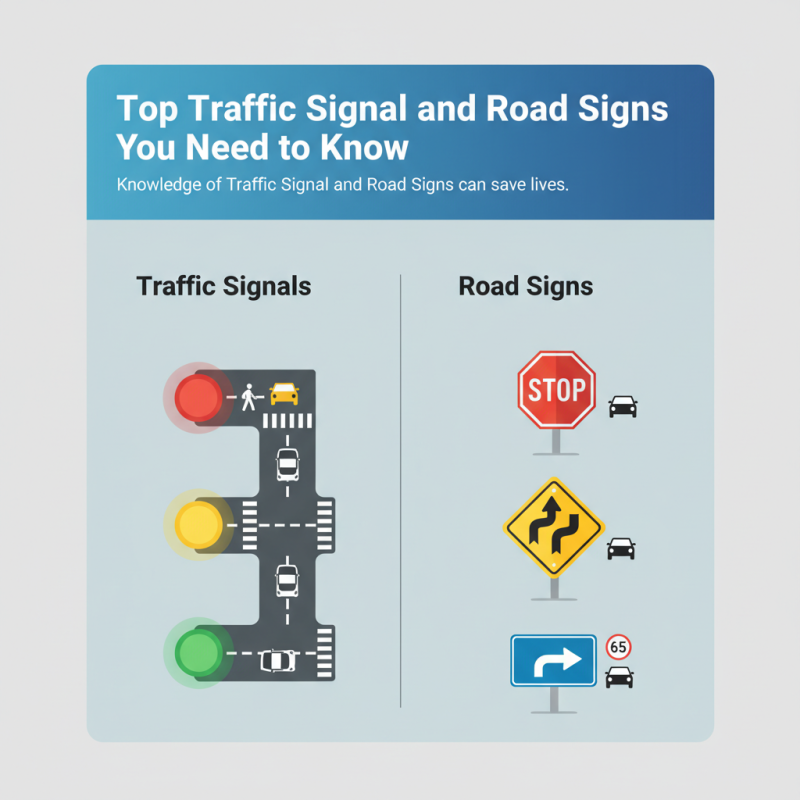
Traffic signals and road signs play a crucial role in maintaining order on our roads. They guide and inform drivers, ensuring everyone understands the rules of the road. The most common traffic signal is the red light. It alerts drivers to stop. A green light means go, while yellow indicates caution. These signals operate in a simple but effective manner.
Road signs extend beyond traffic signals, offering vital information. Stop signs, for example, demand that drivers come to a complete halt. Yield signs require drivers to give way to oncoming traffic. Speed limit signs provide a clear guideline for safe driving speeds. This variety helps create a predictable driving environment.
However, sometimes signs may be unclear or damaged. This can lead to confusion and unsafe driving conditions. A faded signal might go unnoticed, placing all road users at risk. Reflection on these instances is essential. Consistent evaluation of road signs and signals can enhance safety and awareness. Understanding their functions deeply can make all the difference while navigating roads.
Top Traffic Signal and Road Signs You Need to Know
| Signal/Sign Type |
Description |
Function |
Common Locations |
| Red Traffic Light |
Indicates stop for vehicles |
Controls traffic at intersections |
Intersections, pedestrian crossings |
| Green Traffic Light |
Indicates go for vehicles |
Allows traffic to proceed |
Intersections, highways |
| Yellow Traffic Light |
Indicates caution, prepare to stop |
Alerts drivers to impending stop |
Intersections, high-traffic areas |
| Stop Sign |
Octagonal red sign indicating to stop |
Controls traffic at intersections |
Intersections, residential areas |
| Yield Sign |
Triangle-shaped sign indicating to yield right of way |
Controls traffic at intersections or merges |
Intersections, merging lanes |
| Pedestrian Crossing Sign |
Indicates that pedestrians may cross |
Informs drivers to yield to pedestrians |
Crosswalks, school zones |
| Speed Limit Sign |
Indicates the maximum speed allowed |
Regulates vehicle speed |
Roadways, highways |
Key Road Signs Every Driver Should Recognize and Understand
When driving, recognizing key road signs can ensure safety and smooth navigation. Signs like "Stop," "Yield," and "Traffic Light Ahead" are vital. Each sign carries an important message. Understanding their meanings is crucial for every driver. For instance, a "Stop" sign requires a complete halt. It can prevent accidents.
Pay attention to warning signs. They alert you to potential hazards. Signs such as "Slippery When Wet" remind drivers to exercise caution. Ignoring warning signs can lead to dangerous situations. Always stay vigilant and respect these signals.
Tip: Take time to study road signs. Knowledge is power when driving. You might find some signs confusing at first, but practice will improve your understanding. Remember, recognition and reaction times can make a significant difference in emergency scenarios. Recognize the signs, and you can drive with confidence.
Statistics on Traffic Accidents Related to Signage Non-Compliance
Traffic signage plays a crucial role in road safety. Yet, compliance remains a significant issue. According to a report by the National Highway Traffic Safety Administration (NHTSA), over 32,000 fatalities occur yearly in the U.S. due to traffic accidents. Many of these crashes are related to drivers ignoring signs.
A staggering 47% of fatal crashes occur at intersections. These locations often lack clear signage or adequate traffic lights. The Insurance Institute for Highway Safety found that poor visibility of signs can contribute to driver confusion. Inadequate compliance with road signage leads to hazardous situations. Interestingly, surveys show that many drivers overlook warning signs. They may not feel the need to slow down or yield.
Effective signage is more than just a legal requirement. It is a matter of life and death on the roads. A lack of road signage awareness can lead to devastating consequences. Understanding these statistics highlights the importance of road safety. It’s critical for drivers to recognize, respect, and respond to all road signs. Ignoring them is a mistake that can change lives forever.
Innovations in Traffic Signal Technology and Future Trends
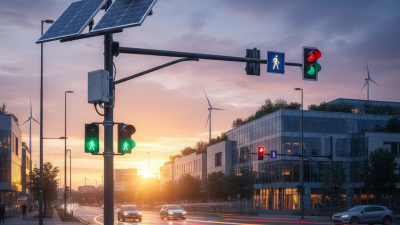
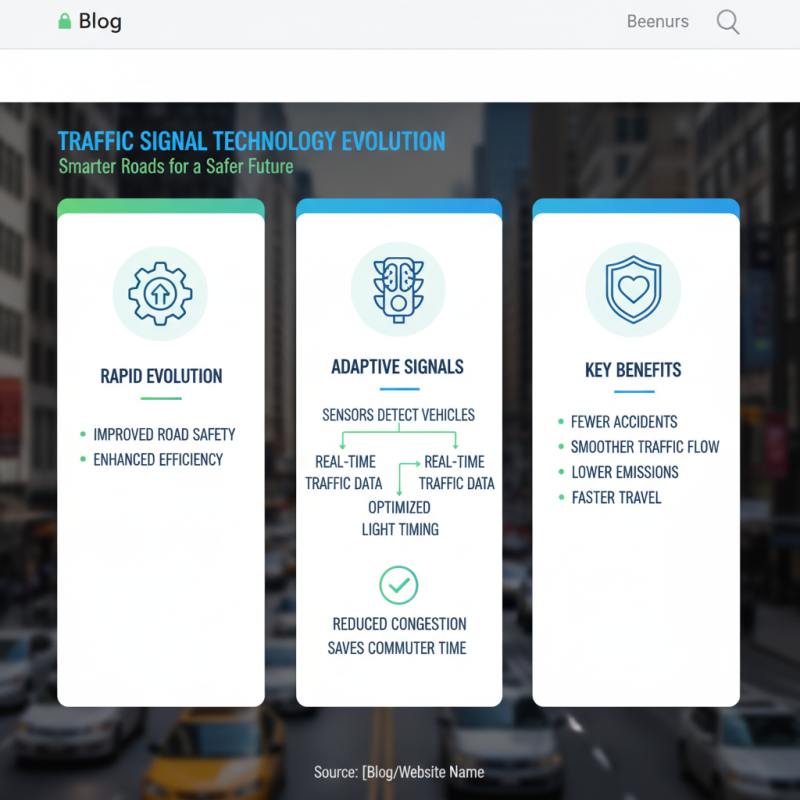
Traffic signal technology is evolving rapidly. New innovations are helping to improve safety and efficiency on the roads. Adaptive traffic signals, for instance, can change based on real-time traffic conditions. This technology uses sensors to detect vehicle flow. It reduces congestion and saves time for commuters.
Smart traffic signals are also making waves. They communicate with connected vehicles, providing real-time updates. This helps in minimizing accidents and delays. Imagine driving and receiving information about the best route instantly. Such advancements are exciting, yet they come with challenges. Relaying accurate data requires robust infrastructure.
As cities grow, the need for better traffic management increases. Future trends might include AI-driven systems that analyze traffic patterns. These systems could predict peak hours and adjust signals accordingly. However, technology alone cannot solve all problems. Community involvement is essential in making these systems effective and user-friendly. Balancing innovation with practicality remains a critical task.