In recent years, Radar Speed Signs have gained popularity as effective tools for enhancing road safety. These signs display vehicle speeds in real-time, encouraging drivers to reduce their speed. However, using Radar Speed Signs efficiently requires more than just installation. Proper strategies can significantly improve their impact.
It's important to understand the environmental factors influencing these signs. For instance, location matters. A sign placed in a high-traffic area will yield different results than one in a quieter neighborhood. Additionally, weather conditions can affect visibility and sign performance. Regular maintenance is crucial to ensure accuracy and effectiveness.
Engaging the community around Radar Speed Signs can foster cooperation and awareness. Yet, some may not perceive their importance. Consequently, sharing compelling data about speed reduction can spark interest. Reflecting on these aspects reveals that although Radar Speed Signs can enhance safety, their success depends on thoughtful implementation and continuous evaluation.
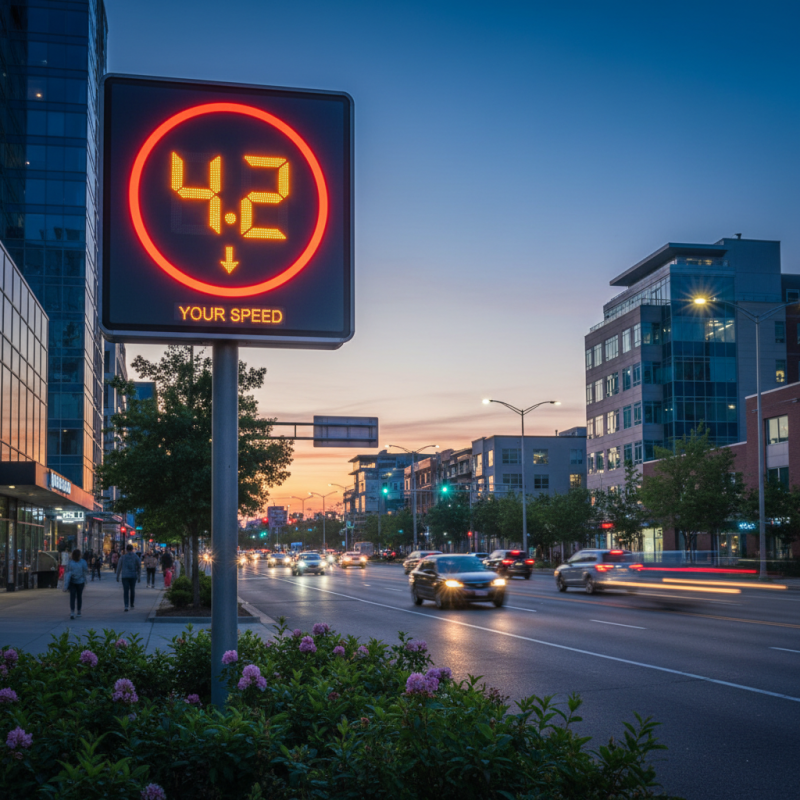
Radar speed signs play a crucial role in traffic management. They serve as a reminder for drivers to check their speed. These signs display the current vehicle speed in real time, creating immediate awareness. Many drivers may not realize how fast they are going until they see the numbers flashing. This instant feedback can lead to safer driving behaviors, but results vary.
However, the effectiveness of radar speed signs can be diminished if drivers grow accustomed to them. When drivers frequently ignore these signs, they become less impactful. Regular data collection and analysis can help optimize their placement. Understanding local traffic patterns is essential. It is also vital for communities to engage with drivers and remind them of the signs' importance.
Moreover, some signs may malfunction or show incorrect speeds occasionally. This can lead to confusion and frustration among drivers. Ensuring proper maintenance and prompt repairs is key to maintaining trust in these devices. Communities should not overlook the necessity of educating drivers about traffic laws and speed limits. Awareness is just as important as the signs themselves.
| Tip Number | Tip Description | Benefits | Implementation Suggestions |
|---|---|---|---|
| 1 | Select Appropriate Locations | Maximize visibility and effectiveness | Identify areas with high traffic and speeding issues |
| 2 | Regularly Maintain Equipment | Ensure accuracy and reliability | Schedule routine checks and updates |
| 3 | Use Bright and Clear Display | Enhance driver awareness | Choose high-contrast colors and large fonts |
| 4 | Incorporate Data Collection | Inform future traffic management strategies | Utilize collected data for reports and studies |
| 5 | Engage Community Awareness | Build public support and understanding | Host community meetings to discuss benefits |
| 6 | Adjust Speed Limits Accordingly | Ensure they reflect current road conditions | Review speed limits in conjunction with signage |
| 7 | Utilize Temporary Signs for Special Events | Address unique traffic situations | Deploy signs during festivals or school events |
| 8 | Integrate with Other Traffic Management Tools | Enhance overall traffic flow | Use in conjunction with speed cameras and signals |
| 9 | Monitor and Evaluate Performance | Measure effectiveness and adjust as needed | Conduct regular reviews and analyses of traffic patterns |
| 10 | Train Personnel on Usage | Maximize operational efficiency | Provide training for staff on installation and maintenance |
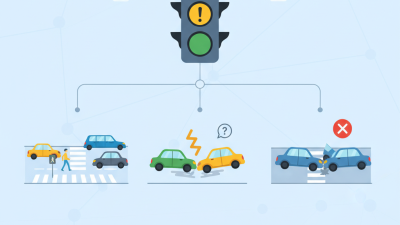
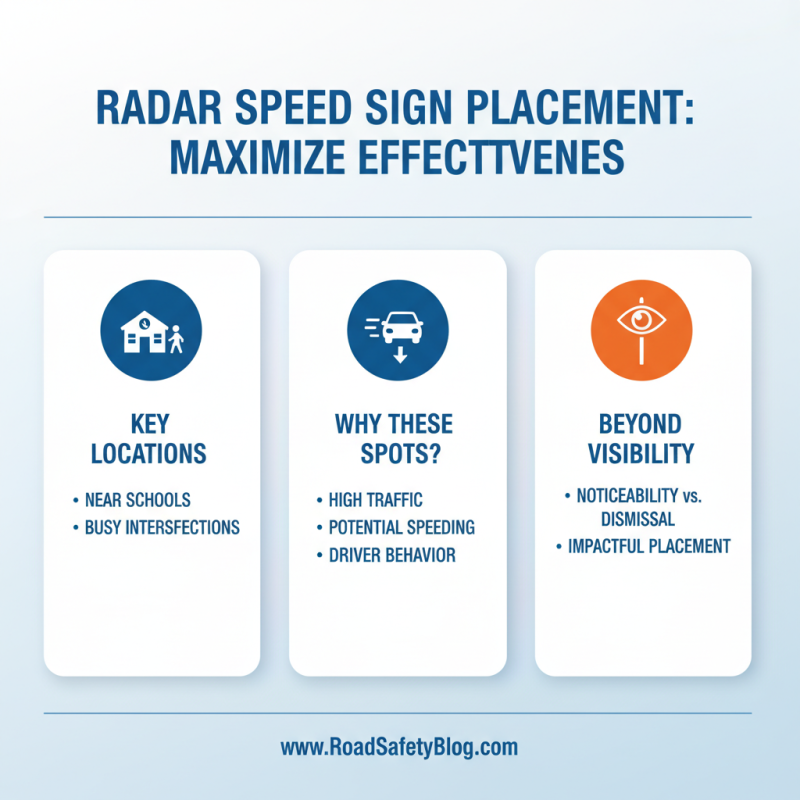
Choosing the right location for radar speed sign installation is crucial for effectiveness. Ideal spots include near schools and busy intersections. These areas typically see higher vehicle traffic and potential speeding. While many choose spots based solely on visibility, it's essential to consider driver behavior. Are drivers likely to notice the sign or dismiss it?
Installing signs after a curve might not yield desired results. Drivers may not respond in time. Additionally, some locations with poor lighting could reduce the sign's impact. It’s also important to assess how often the speed limit changes in a given area. Signs in areas that frequently change limits can confuse drivers.
Reflection on placement decisions is vital. If signs do not seem effective, reevaluate the location. Perhaps the sign isn’t striking visually enough? Or maybe it is hidden by trees or signage? Identifying these flaws can lead to more impactful results. A well-placed radar speed sign can encourage better driving behavior. Think critically about each installation for maximum effectiveness.
Setting appropriate speed limits is crucial for the effective use of radar speed signs. Speed limits act as a communication tool between drivers and road authorities. They should reflect the actual conditions of the area. In residential zones, for example, a limit of 25 mph may encourage compliance. However, if the limit feels arbitrary, drivers may ignore it. Constant evaluation of speed limits is necessary to achieve the desired behavioral changes.
Engaging the community can also enhance compliance. Gathering input from residents can help establish realistic speed limits. Residents often have valuable insights about traffic behaviors in their neighborhoods. In some cases, implementing a limit of 15 mph near schools can make a noticeable difference. Yet, if residents feel uninvolved, they may resist limits that seem disconnected from their experiences. It’s important to create a balance between safety and practicality.
Monitoring and adjusting speed limits should be part of an ongoing process. Regular assessments can highlight areas that need changes. Inconsistent limits can confuse drivers, leading to frustration. A constantly shifting limit may also diminish the effectiveness of radar signs. Exploring different approaches and being open to feedback can help refine these essential tools for safer roads.
Radar speed signs are useful tools for promoting safe driving. However, without proper maintenance, their effectiveness can diminish over time. Regularly checking the functionality of these signs is crucial. Ensure they display accurate speeds and are visible to motorists. Clean the signs periodically to remove dirt and debris that can obscure them.
Updating the signage is equally important. Incorporate new technology to improve their impact. Some signs have features that flash additional warnings based on traffic conditions. These upgrades can adapt to various environments. Reflect on the current placement of your signs. They should be positioned where drivers can see them well in advance. Neglecting placement can lead to reduced compliance.
Evaluate the long-term effectiveness of radar speed signs. It’s important to gather feedback from the community. Drivers and residents may offer insights on their visibility and overall impact. Use this information for further adjustments. It’s a continuous process that requires attention and commitment from the community to enhance road safety.
Radar speed signs are invaluable tools for enhancing road safety. However, simply placing these signs isn’t enough. Analyzing the data they collect is essential for effective safety measures. This data can provide insights into driver behavior, peak traffic times, and areas where speeding is more frequent. Understanding these patterns enables authorities to make informed decisions.
For instance, if data shows frequent speeding during late evenings, targeted awareness campaigns could be implemented. Additionally, this information could guide the placement of more speed control measures. Yet, there are challenges in interpreting this data accurately. Factors like weather and road conditions can skew results. At times, the data may suggest high speeds in areas where the signs are ineffective. Continuous reevaluation is crucial to adapt strategies accordingly.
Engaging with the community also plays a role in utilizing this data. Residents may share feedback on areas with persistent speeding issues, complementing the data collected. Mismatches between collected data and local concerns can lead to missed opportunities for improvement. Collaboration fosters a deeper understanding of the issues and helps shape more effective responses.