inquiry
Leave Your Message

10 Essential Tips for Understanding Traffic Signals and Road Signs

Understanding traffic signals and road signs is crucial for every driver. These visual cues guide us through our daily commutes. The clarity of these signals can sometimes get lost in distractions. Misinterpreting them can lead to dangerous situations. Therefore, grasping the basics of traffic signals and road signs is essential.

Drivers often overlook the importance of these signals. They assume that everyone understands them perfectly. In reality, confusion often arises, especially in complex intersections. The colors and shapes of the signs carry specific meanings. Recognizing these nuances can enhance safety on the roads.

Emphasizing the significance of traffic signal and road signs is vital. Being able to process this information quickly could save lives. As we navigate through varied driving conditions, it’s easy to miss a sign or misread a signal. Reflect on your own experiences and consider how well you understand them. Each observation on the road is an opportunity to learn and improve your driving skills.
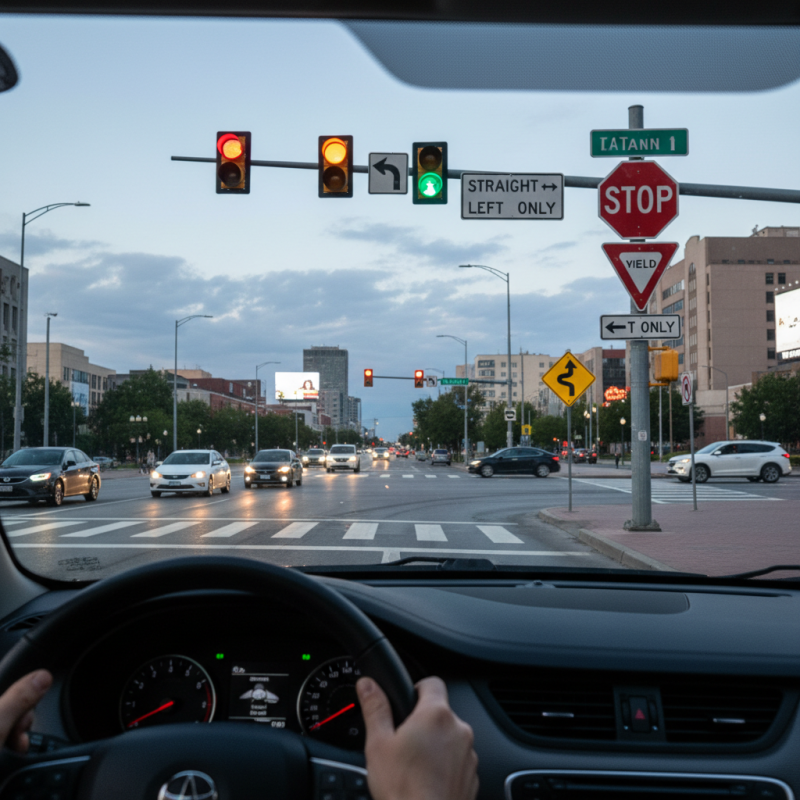
10 Essential Tips for Understanding Traffic Signals and Road Signs

The Importance of Traffic Signals and Road Signs in Safe Driving

Traffic signals and road signs are vital for safe driving. They provide important information to drivers, helping everyone navigate roads efficiently. Recognizing these signals can prevent accidents. For instance, a red light means stop. Running a red light can lead to serious consequences.

Many drivers overlook smaller signs. Yield signs often get ignored. This may confuse other drivers and create dangerous situations. Understanding these signals truly matters. They are the language of the road. Failing to recognize them can lead to perilous mistakes.

At times, even experienced drivers make errors. A driver may misinterpret a traffic sign, thinking it means something else. In heavy traffic, it becomes chaotic. Stopping suddenly can result in rear-end collisions. Constant attention to signs is important. Road safety relies on everyone understanding the rules clearly.
Understanding Traffic Signals and Road Signs: Key Statistics

Basic Types of Traffic Signals: Lights, Arrows, and Sign Shapes

10 Essential Tips for Understanding Traffic Signals and Road Signs

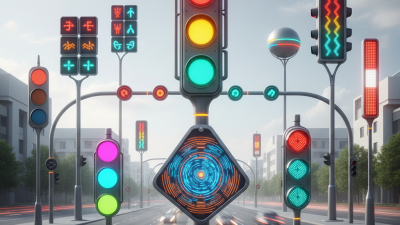
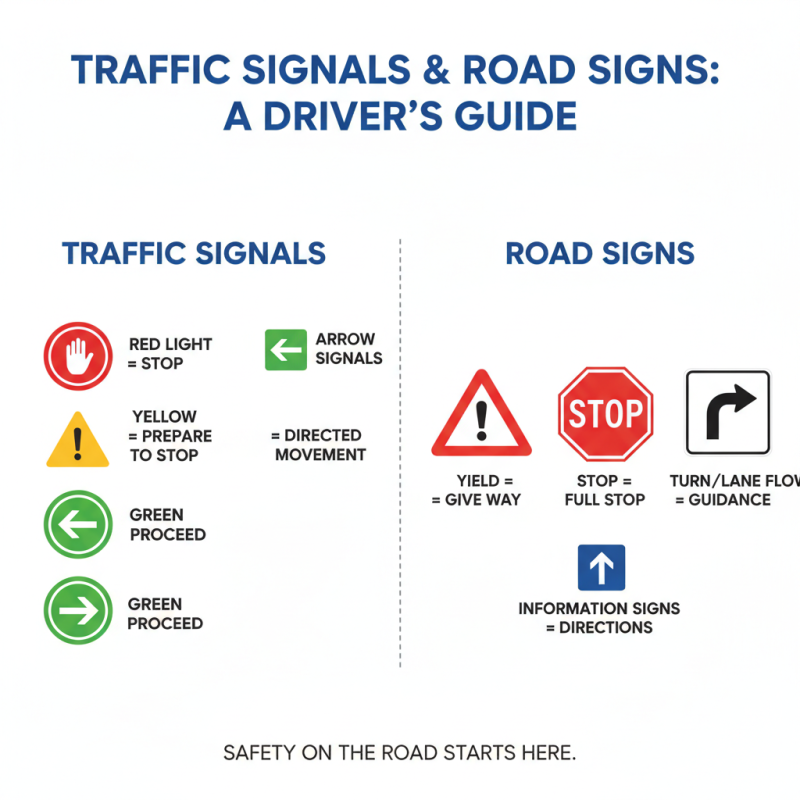
Understanding traffic signals and road signs is crucial for safe driving. Traffic signals come in various forms: lights, arrows, and sign shapes. Each type plays a unique role in guiding drivers and pedestrians. For instance, red lights indicate a complete stop, while green lights signal it is safe to move forward.

Arrows are equally important. They direct traffic and indicate lane changes. A left-turn arrow means you can only turn in that direction. Data from the National Highway Traffic Safety Administration shows that confusing traffic signals contribute to 25% of intersection accidents. Drivers must stay alert and understand these signals well to reduce risks.

Here are a few tips: Always look for the shape of road signs. Octagonal signs mean stop. Remember to watch for pedestrian signals, too. They can save lives. If unsure about a signal, slow down and evaluate it carefully. Making assumptions can lead to dangerous situations. Pay attention, and you will navigate roads more confidently.

Understanding Road Sign Colors and Their Meanings

10 Essential Tips for Understanding Traffic Signals and Road Signs

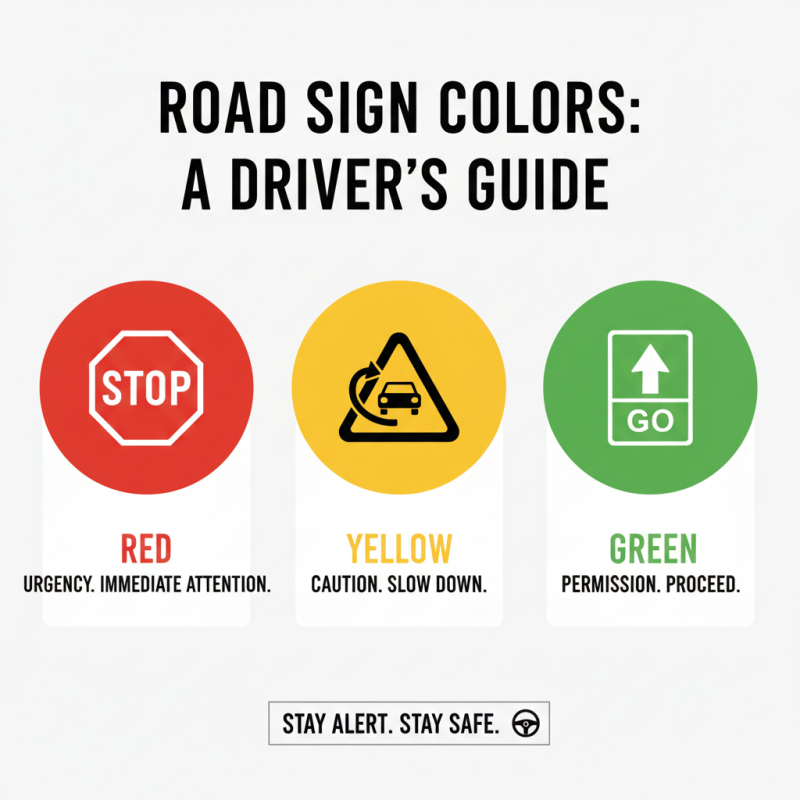
Road signs play a crucial role in guiding drivers safely. The colors of these signs convey specific messages. For instance, red signals urgency. A stop sign, for example, demands immediate attention. Yellow, on the other hand, indicates caution. Drivers should slow down when approaching yellow signs. Green is often a symbol for go. It’s important to notice these colors when driving.

Understanding the meaning behind these colors can help avoid accidents. Orange frequently indicates construction zones. Be especially careful in these areas. Blue usually conveys information services, like rest areas. The significance of colors cannot be overstated. However, many drivers overlook these vital details. This lapses in attention can lead to dangerous situations on the road. Looking closely can save lives.

Navigating Intersections: Yield, Stop, and Right-of-Way Rules

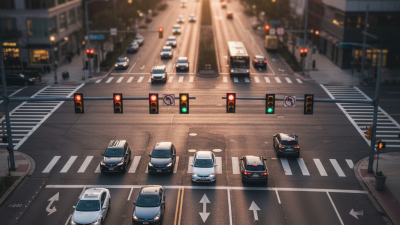
Navigating intersections can be challenging. Understanding yield, stop, and right-of-way rules is crucial for safe driving. When you see a stop sign, come to a complete halt. Look for other vehicles or pedestrians before proceeding. Stopping too far from the intersection can lead to confusion and delays.

Yield signs require drivers to slow down and prepare to stop. This rule is often overlooked. Many drivers race through intersections without checking for oncoming traffic. This behavior can lead to accidents. Be aware of other vehicles that may have the right of way. Knowing when to yield is vital for everyone’s safety.

Right-of-way rules help prevent chaos at busy intersections. A common mistake is assuming that the car on your left will always yield. In reality, the car that arrives first has the priority. Always check your surroundings. Quick decisions can save lives, but hasty ones can create dangerous situations. Reflecting on these moments can help improve your driving skills.

Common Mistakes Drivers Make with Traffic Signals and Signs

Many drivers misunderstand traffic signals and road signs. This can lead to dangerous situations. One common mistake is confusing traffic signals. For instance, the yellow light is a caution, not a signal to speed up. It's crucial to prepare to stop. Always look for the red light ahead.

Another common error involves ignoring road signs. Some drivers may speed through stop signs, thinking they can just glance at them. This behavior compromises safety for everyone on the road. Make it a habit to fully stop and check for oncoming traffic. Pay attention to yield signs, too. Ignoring them can result in collisions.

To enhance awareness, always check mirrors and blind spots. Many drivers forget this simple step, leading to accidents. Be mindful of pedestrians crossing at intersections. Scanning the area can prevent misjudgments. Using turn signals also helps communicate your intentions. Drivers often forget this, causing confusion. Remember that being cautious saves lives.

10 Essential Tips for Understanding Traffic Signals and Road Signs - Common Mistakes Drivers Make with Traffic Signals and Signs

Tip Number Understanding Common Mistake How to Avoid
1 Know the Colors of Traffic Lights Ignoring yellow lights Slow down when you see yellow
2 Understand the Meaning of Symbols Misinterpreting stop signs Come to a complete stop
3 Recognize Warning Signs Neglecting to prepare for hazards Always heed warnings and prepare
4 Understand Lane Control Signals Ignoring lane direction signals Always observe lane signals
5 Follow Pedestrian Signals Not yielding to pedestrians Always stop for pedestrians on crosswalks
6 Obey Speed Limit Signs Driving over speed limits Observe speed limit changes
7 Understand Right of Way Rules Confusing right of way at intersections Know who has the right of way
8 Recognize Road Construction Signs Ignoring construction zones Reduce speed and be cautious
9 Pay Attention to Traffic Signal Timers Rushing through signals Observe timing but react safely
10 Understand the Importance of Signal Synchronization Not realizing traffic flow Adjust speed to coordinated signals