Road safety is a crucial aspect of our daily lives. According to John Smith, a leading road safety expert, "Every driver can make a difference." This statement emphasizes the importance of individual responsibility. Each year, countless accidents occur due to negligence. Simple mistakes can lead to severe consequences.
Understanding road safety tips can significantly lower the risk of accidents. For instance, wearing seat belts and observing speed limits can save lives. Additionally, distractions like mobile phones can divert attention. A moment of inattention can result in tragedy. Every driver faces challenges on the road, and it’s essential to be prepared.
We must reflect on our own driving habits. Are we truly prioritizing safety? By adopting a proactive approach to road safety, we can contribute to a safer environment for everyone. Let’s remember to always stay vigilant and responsible behind the wheel. Together, we can foster a culture of safety on the roads.
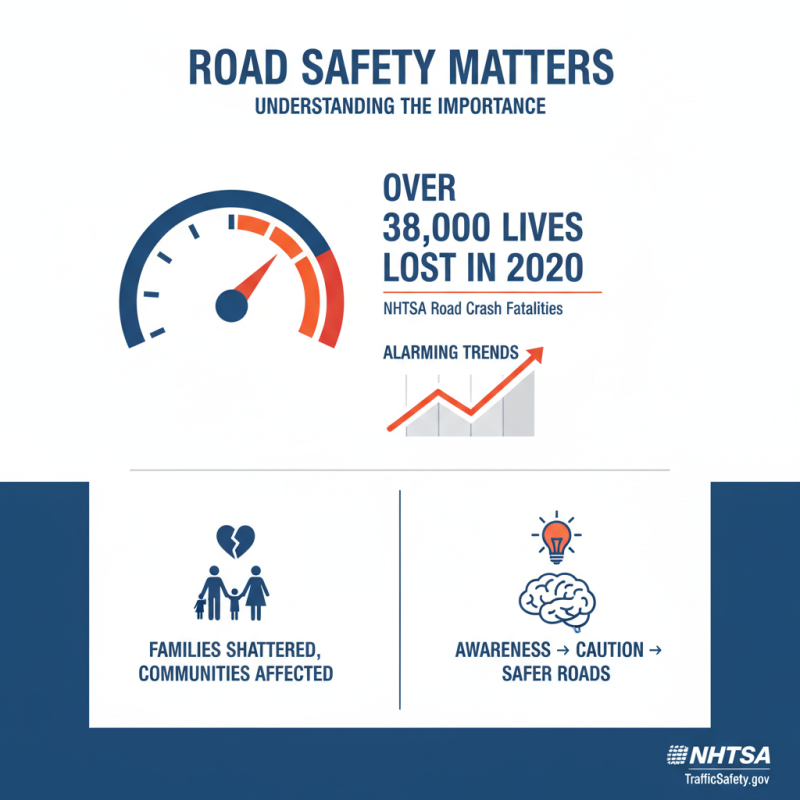
Road safety statistics reveal alarming trends. According to the National Highway Traffic Safety Administration (NHTSA), over 38,000 people died in road crashes in 2020 alone. This statistic is not just a number; it represents families shattered and communities affected. Understanding these numbers is vital for drivers. Awareness leads to caution.
Every year, distracted driving causes about 400,000 injuries. Just a glance at your phone can lead to a tragedy. With 29% of fatal crashes linked to alcohol consumption, the message is clear: impaired driving can have dire consequences. Pedestrians also face risks, with nearly 7,500 fatalities annually. Each statistic tells a story, urging us to reflect on our daily choices.
While many drivers believe they're safe, statistics suggest otherwise. A significant percentage of drivers ignore speed limits, contributing to countless incidents. The reality of road safety is sobering. A few moments of inattention can lead to irreversible outcomes. We must recognize that road safety relies on every individual making conscious, informed choices.
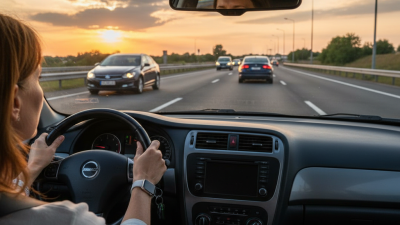
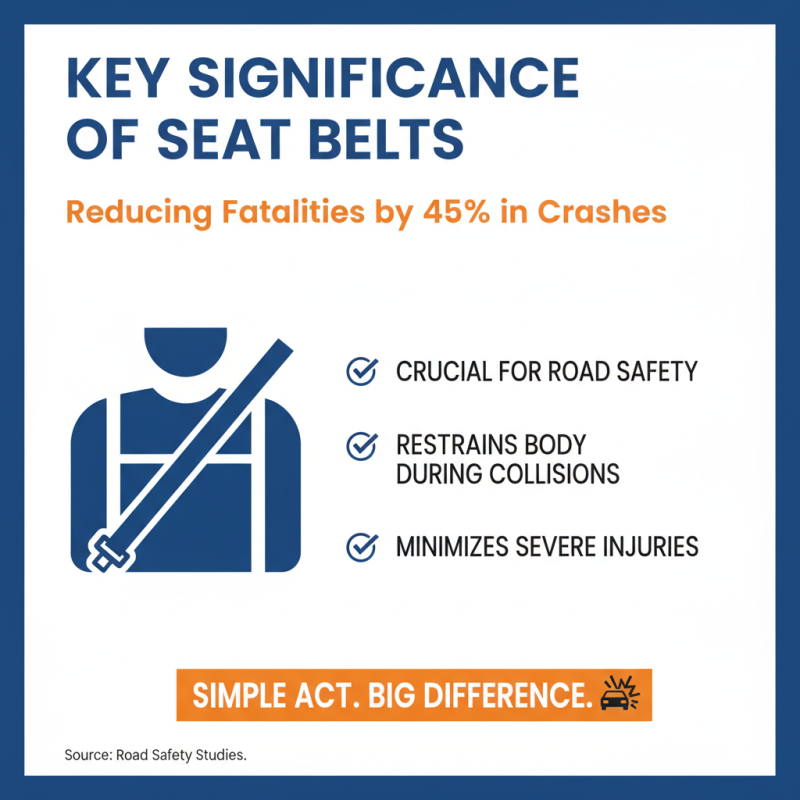
Seat belts are often overlooked, yet they are crucial for road safety. Studies reveal that using a seat belt can reduce fatalities by 45% in crashes. This simple act can make a significant difference. A seat belt restrains the body during sudden stops or collisions. It keeps you securely in your seat, minimizing the risk of severe injuries.
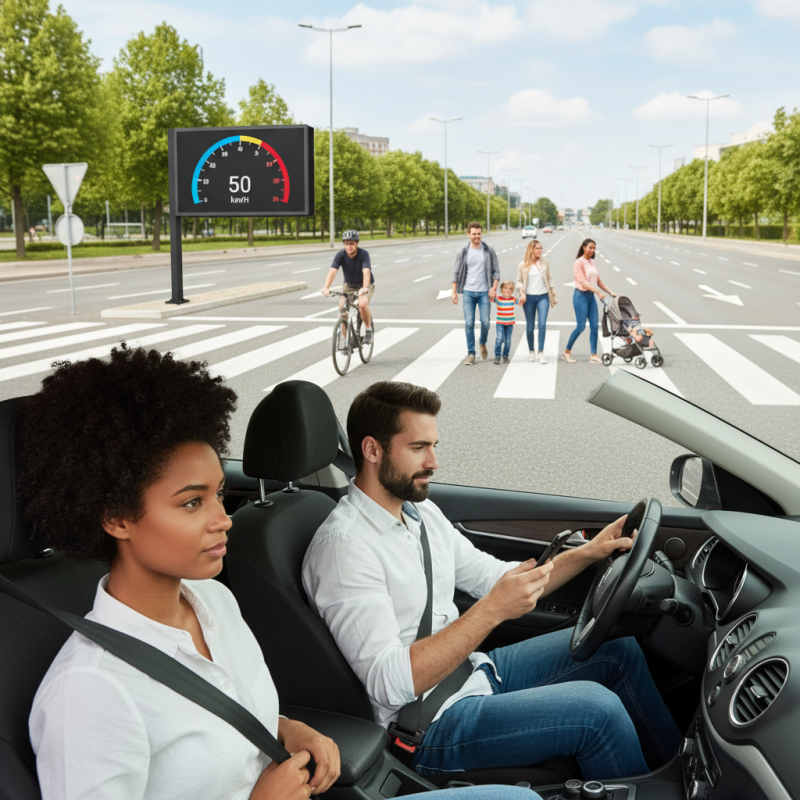
In addition to buckling up, it’s vital to stay focused while driving. Distractions can lead to disastrous outcomes. Just a moment of inattention can result in an accident. Each time you get behind the wheel, remember to keep your phone out of reach. Your safety is more important than any message.
Another essential tip is to maintain a safe distance from the vehicle ahead. Tailgating increases the chances of a crash. A proper gap allows for adequate stopping time. It provides a buffer zone that can save lives. Too often, drivers push their luck, thinking they can stop in time. Don't become a statistic—drive wisely.
Distracted driving is a growing danger on the roads today. It contributes to 9% of fatal accidents. Many people believe they can multitask safely. But the reality is startling. Every glance at a phone or conversation can pull attention away from driving. It's crucial to recognize these distractions. They may seem minor, but they can lead to tragic outcomes.
One essential tip for staying focused while driving is to keep your phone out of reach. This reduces the temptation to check messages or notifications. Another important point is to avoid eating or drinking while driving. These actions divert your eyes and focus from the road. Lastly, always adjust your music or GPS before starting your journey.
Road safety starts with awareness. It is easy to underestimate the risk. Reflect on past experiences. Were there moments when you got distracted? Every time you take your eyes off the road, there's potential for danger. Stay committed to driving safely, and remember that the lives of others may depend on your choices.
Road safety is crucial for everyone. Adhering to speed limits plays a significant role in reducing crash severity and frequency. According to the National Highway Traffic Safety Administration (NHTSA), speeding contributes to nearly one-third of all traffic fatalities in the United States. When drivers exceed speed limits, the likelihood of severe crashes increases dramatically. A study by the AAA Foundation for Traffic Safety found that drivers who speed are at a higher risk of losing control of their vehicles.
It's essential to recognize the impact of speed on stopping distance. At 30 mph, a vehicle needs approximately 100 feet to come to a complete stop. This distance increases substantially as speed rises. For example, at 50 mph, the required distance extends to over 150 feet. This increase can mean the difference between life and death. Many drivers underestimate this factor during their daily commutes. The temptation to rush often overshadows the need for caution.
Many drivers ignore speed limits, believing they can handle increased velocity. Unfortunately, this mindset leads to tragic outcomes. A report from the Insurance Institute for Highway Safety (IIHS) shows that higher speeds result in more severe crashes, often with devastating consequences. Recognizing these statistics can be a wake-up call. Reflecting on personal driving habits is essential. Safe driving requires constant vigilance and respect for speed limits. Every decision on the road matters.
| Tip | Description | Impact on Safety | Statistics (% Reduction) |
|---|---|---|---|
| Adhere to Speed Limits | Maintain speed limits posted on road signs. | Reduces crash severity and increases time for reaction | 30% reduction in serious accidents |
| Use Seat Belts | Always buckle up when driving or riding in a vehicle. | Prevents ejection and reduces injury risk | 45% reduction in fatalities |
| Avoid Distractions | Stay focused on driving; avoid texting or using your phone. | Improves reaction times and decision-making | 25% reduction in distraction-related accidents |
| No Driving Under the Influence | Never drive under the influence of alcohol or drugs. | Significantly decreases crash likelihood | 50% reduction in DUI-related crashes |
| Use Turn Signals | Indicate your intentions to other drivers when turning. | Enhances communication and predictability on the road | 20% reduction in turning accidents |
| Keep a Safe Following Distance | Maintain enough space between your vehicle and the one in front. | Allows time to react to sudden stops | 15% reduction in rear-end collisions |
| Observe Traffic Signs | Follow all signs indicating road conditions, hazards, and rules. | Improves awareness and compliance with traffic regulations | 35% reduction in violations |
| Watch for Pedestrians | Always be alert for pedestrians crossing the street. | Decreases pedestrian-related accidents | 40% reduction in pedestrian injuries |
| Avoid Aggressive Driving | Stay calm and patient in traffic; do not engage in road rage. | Promotes safe behaviors and reduces accidents | 30% reduction in aggressive driving incidents |
| Regular Vehicle Maintenance | Ensure your vehicle is in good working condition. | Prevents breakdowns and accidents | 20% reduction in vehicle-related accidents |
Proper vehicle maintenance plays a crucial role in road safety. Regular checks can prevent minor issues from becoming major problems. For example, worn brakes could lead to accidents. Always inspect your brakes, tires, and lights.
Check tire pressure regularly. Under-inflated tires can cause blowouts. This inconvenience could lead to dangerous situations. Aim to have your tires rotated frequently to ensure even wear.
Another critical aspect is fluid levels. Engine oil, coolant, and brake fluid must be topped up. A low fluid level can hamper your vehicle's performance. Don’t overlook the importance of a clean windshield. Visibility is key in avoiding accidents. Keeping your vehicle in good shape ultimately leads to safer roads for everyone. Regular maintenance means fewer breakdowns and accidents. Reflect on how often you check these factors. A small oversight can have serious consequences.
This bar chart represents the importance of various factors in preventing road accidents, highlighting how proper vehicle maintenance plays a crucial role in ensuring road safety.