Road Safety Tips Everyone Should Know for Safer Driving?
Driving is an essential part of modern life, but safety should always come first. According to Dr. Sarah Thompson, a renowned expert in Road Safety, "Every small action counts when it comes to saving lives on the road." Her words remind us that simple habits can make a big difference.
Despite advancements in technology, many drivers still overlook basic road safety guidelines. For instance, wearing a seatbelt can reduce the risk of fatal injuries by 45%. Yet, many continue to neglect this simple precaution. Using mobile devices while driving poses a critical threat, distracting drivers from the road ahead.
We must reflect on our own driving habits. Are we too confident behind the wheel? Speeding and aggressive driving often lead to devastating consequences. It's time to prioritize Road Safety by adopting better practices. Small changes can lead to safer journeys for everyone.
Essential Pre-Driving Checks for Optimal Road Safety
Before hitting the road, ensure your vehicle is road-ready. Many accidents occur due to preventable issues. The National Highway Traffic Safety Administration states that around 22% of accidents are linked to vehicle maintenance failures. Regular checks can significantly reduce these risks.
Start with tire inspections. Check tread depth and air pressure. Under-inflated tires can drastically affect handling. According to the Tire Industry Association, improperly inflated tires can shorten their lifespan dramatically. Brake checks are equally vital. Squeaky brakes often indicate wear. Don’t ignore them.
Fluids are also crucial for safe driving. Engine oil, coolant, and brake fluid should be at optimal levels. Low fluid can lead to overheating or brake failure. Research shows that about 15% of vehicles on the road have low oil levels. It’s alarming. Make time for these quick checks to avoid disasters. Remember, preparation isn't just a task; it’s a safety commitment.
Road Safety Tips Everyone Should Know for Safer Driving - Essential Pre-Driving Checks for Optimal Road Safety
| Check Item |
Description |
Frequency |
Importance Level |
| Tire Pressure |
Check tires for proper inflation and tread depth. |
Monthly |
High |
| Brake Function |
Ensure that brakes are responsive and not squeaking. |
Monthly |
Critical |
| Fluid Levels |
Check engine oil, coolant, and windshield washer fluid. |
Monthly |
High |
| Lights |
Verify that all headlights, brake lights, and indicators are functional. |
Weekly |
High |
| Wipers |
Ensure windshield wipers are in good condition and functioning. |
Monthly |
Medium |
| Seat Belts |
Check that all seat belts are operational and damage-free. |
Before each trip |
Critical |
Understanding Traffic Signs and Their Importance in Road Safety
Traffic signs are essential tools for road safety. They guide drivers in various situations. According to the National Highway Traffic Safety Administration, nearly 40% of road accidents occur due to driver inattention to signs. Many drivers underestimate their importance. Each sign communicates vital information, from speed limits to warnings about curves.
Understanding these signs can prevent confusion and accidents. For example, a stop sign means full cessation. Ignoring it can lead to catastrophic results. Yet, a recent report showed that 20% of drivers do not stop at stop signs. This negligence highlights a gap in awareness.
Drivers should also check for faded or obscured signs, which can lead to misinterpretation. Local authorities must maintain visibility and clarity. Everyone plays a role in road safety. It's not just about knowing the rules; it's about applying them consistently. The absence of attention to these details can be fatal. Educating ourselves and others on the significance of traffic signs is crucial for safer roads.
The Role of Seatbelts and Child Safety Seats in Protecting Lives
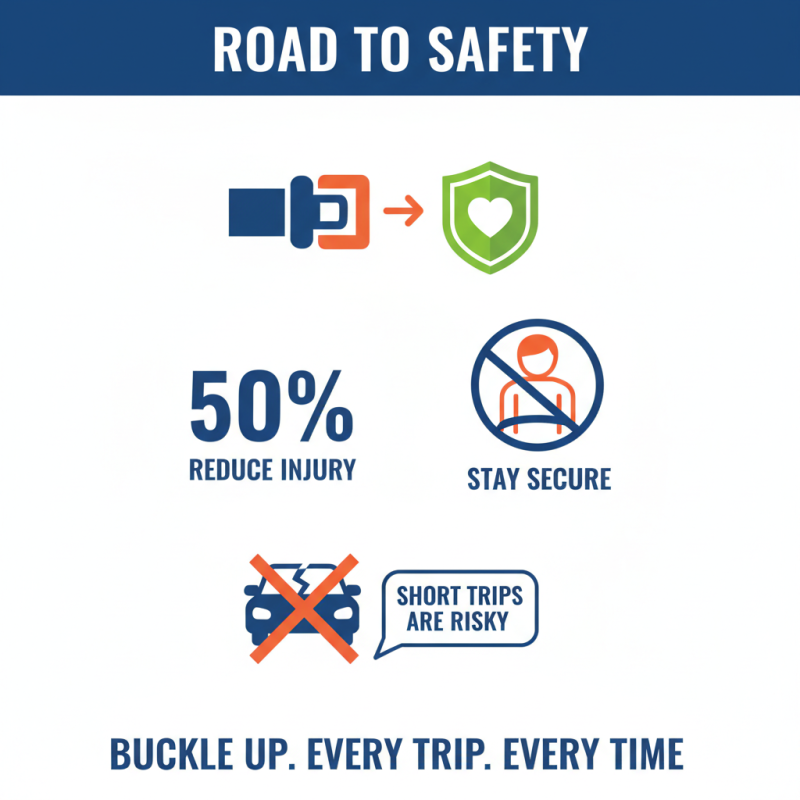
Seatbelts and child safety seats are essential for protecting lives on the road. A simple click of a seatbelt can significantly reduce injury during a crash. It keeps the driver and passengers secure, preventing them from being thrown from the vehicle. Despite knowing this, many still forget to buckle up. In fact, some people don't wear seatbelts because they believe short trips are safe. However, accidents can happen anywhere.
Child safety seats play a crucial role in safeguarding young passengers. These seats are designed to absorb impact and keep children secure. Proper installation is key; even a slight misalignment can make a difference in an accident. Some parents get complacent and skip using these seats as the child grows. It’s important to reflect on this. Ensuring that children are safely strapped in can save lives.
Always check that everyone in the car is buckled up. This simple act can prevent unnecessary tragedies. Seatbelts and child safety seats should be a priority for every driver. Remember, safety is not an option; it’s a necessity.
Safe Driving Techniques: Maintaining Speed and Distance
Maintaining a proper speed and distance is crucial for safe driving. Keep a steady speed on highways. Use cruise control if it helps. Remember that speeding reduces your reaction time. If a situation arises, every second counts. Don’t let distractions pull your focus.
Distance is equally important. Maintain a safe gap between your vehicle and the one ahead. This space gives you more time to react. It’s essential in wet or slippery conditions. On a rainy day, remember to increase that gap. The road becomes unpredictable when wet.
Sometimes, we underestimate the importance of space and speed. Tailgating can lead to accidents. Even if the car in front is moving slower, it’s better to wait. Slowing down is often safer than speeding up. Reflection on your driving habits can lead to better choices. Stay mindful and aware; safety starts with you.
Navigating Adverse Conditions: Tips for Driving in Rain and Snow
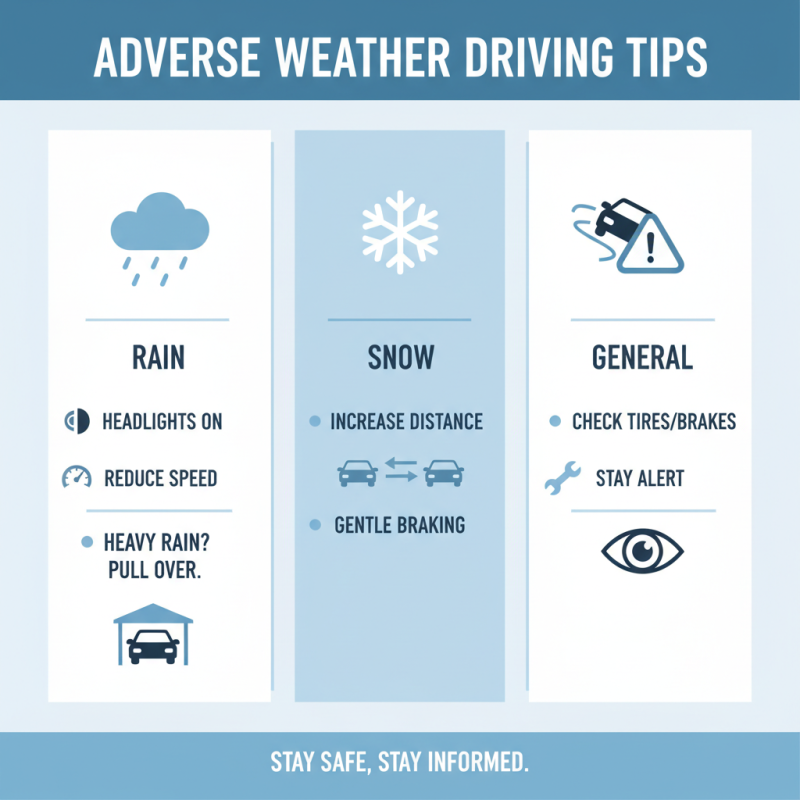
Driving in adverse weather can be challenging. Rain and snow reduce visibility and affect traction. When it's raining, remember to use your headlights. This simple action helps other drivers see you. Reduce your speed to maintain control on slick roads. If the rain is heavy, consider pulling over until conditions improve.
In snowy conditions, slow down even further. Snow can create poor traction. Keep a safe distance from the vehicle in front of you. It takes longer to stop on snow-covered streets. Don’t forget to clear your car's roof and windows of snow. If it’s piled high, it can slide down or obstruct your view. Be mindful that driving fast can lead to accidents. Assess the situation.
Maintain tire pressure and ensure your wiper blades are functioning. Good wipers are crucial in heavy rain or snow. If you skid, don’t panic. Steer into the skid and gently apply brakes. Every driver should practice these tips. Adverse weather requires extra caution and awareness. Reflect on your habits. Are you truly prepared for the unexpected?