How to Choose the Best Speed Detector for Your Needs?
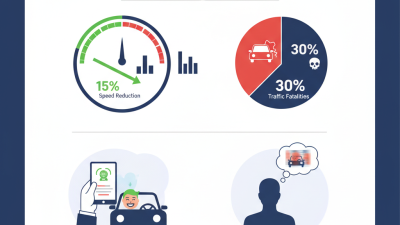
When it comes to road safety, choosing the right Speed Detector is crucial. According to a report by the National Highway Traffic Safety Administration, speeding is a major factor in nearly one-third of all traffic fatalities. This alarming statistic underscores the importance of reliable speed detection technology.
Industry expert Dr. Emily West, a leading researcher in traffic safety, emphasizes, "A quality Speed Detector can significantly reduce accidents and enhance compliance with speed limits." Her insights reflect the growing recognition of speed detectors in both personal and commercial settings. As technology improves, options expand, making it essential for users to understand their unique needs.
The market is flooded with various models and features. Some speed detectors offer advanced GPS functionalities, while others focus on radar technology. Each comes with its own set of pros and cons. Users often face challenges in identifying the most suitable choice. Ultimately, selecting the right Speed Detector requires careful consideration and awareness of both practical needs and the latest innovations in the industry.
Understanding Your Speed Detection Needs
When choosing a speed detector, understanding your specific needs is crucial.
Various devices offer different features suited for unique scenarios. For instance, local traffic studies indicate that 70% of accidents occur in urban areas.
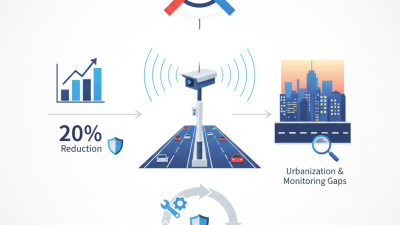
Here, a radar speed sign can help monitor and enhance road safety by alerting drivers of their speed in real-time.
They often have the added ability to collect data on vehicle behavior, which can aid in long-term traffic management decisions.
Consider environmental factors as well. Need data in rural areas? Opt for more versatile models that adapt to diverse terrains.
Research indicates that speed detection accuracy drops by 30% in heavily wooded locations.
Thus, your choice must reflect the surroundings you'll frequently encounter.
Adjustable settings ensure that you're capturing relevant data regardless of the conditions.
Explore features like data logging and connectivity options. According to industry reports, about 60% of organizations benefit from remote access to speed data for analysis.
This accessibility helps in strategizing future improvements.
A detailed assessment of your specific environment and data needs will lead to more reliable results.
Note that no speed detector can guarantee 100% accuracy, and understanding this limitation is essential for effective usage.
Types of Speed Detectors Available in the Market
When choosing a speed detector, understanding the types of devices available is crucial. Broadly, speed detectors fall into several categories:
radar detectors,
laser speed detectors, and
GPS-based speed detectors.
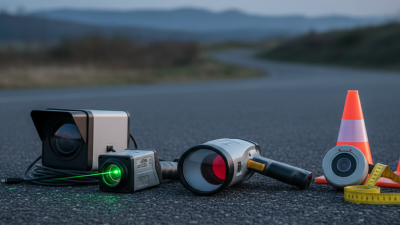
Radar detectors use radio waves to identify speed enforcement devices. Reports indicate they can detect signals from up to a mile away, making them quite popular. However, they sometimes produce false alerts due to other radar signals.
Laser speed detectors, on the other hand, are known for their precision. These devices measure the time it takes for a laser beam to bounce back from a vehicle. According to industry studies, laser detectors are utilized by law enforcement for their accuracy, but they have a shorter range than radar detectors, often requiring the target vehicle to be within a few hundred meters.
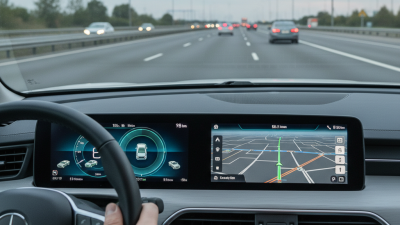
GPS-based speed detectors provide real-time speed monitoring using satellite technology. While they can be less effective in urban areas due to tall buildings obstructing signals, they can store your speed history, offering useful data for improving driving habits. Here’s a tip: consider your driving environment when selecting a detector type. If you frequently drive in urban settings, a GPS detector may be more beneficial.
Another key consideration is how accurately each type measures speed. Do thorough research on how these devices perform in various conditions. Keep in mind that not all detectors are created equal. Finding the right one may require some trial and error, as each has its strengths and weaknesses.
Key Features to Consider When Choosing a Speed Detector
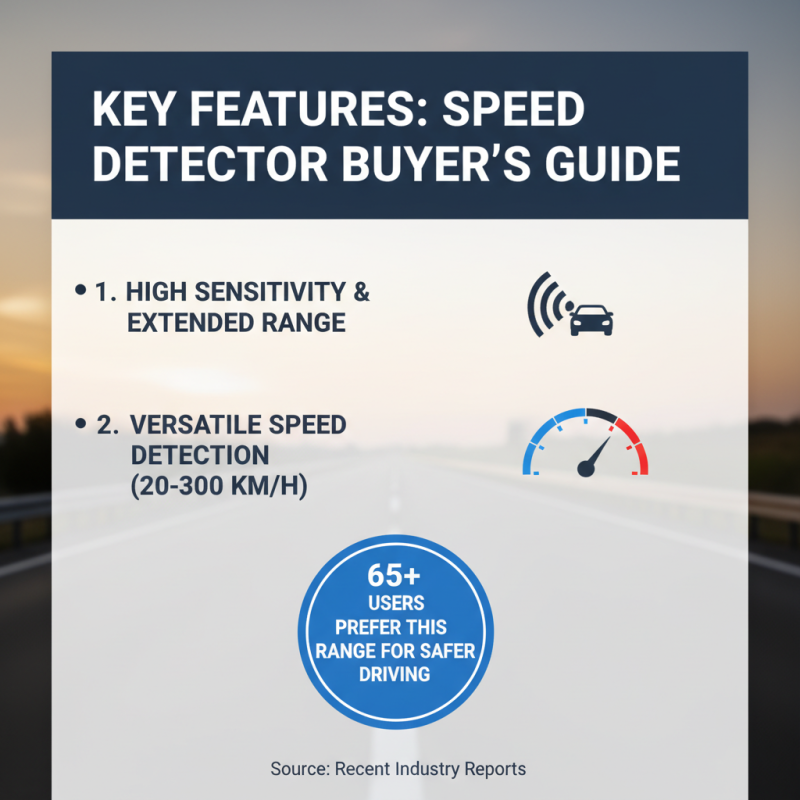
When choosing a speed detector, understanding key features is essential. Look for devices with high sensitivity and a range extending beyond average speeds. According to recent industry reports, over 65% of users prefer detectors that can identify speeds from 20 to 300 km/h. This versatility enhances safety on the road, whether in urban or highway settings.
Accuracy is another critical factor. Devices with advanced signal processing technology offer better precision. Studies show that inaccurate readings can lead to unnecessary fines, stressing the importance of reliable measurements. Check user reviews to gauge performance. Real-world experiences can often reveal aspects not covered in specifications.
Tips: Prioritize detectors with user-friendly interfaces. An intuitive design can make operation seamless. Always consider additional features like GPS integration, which can track location data. Monitoring historical speed information can provide insights over time. Remember to reflect on what you truly need versus extraneous features that might complicate usage.
Comparing Price Points and Budget Considerations
When considering a speed detector, budget plays a crucial role. Prices can range significantly based on features and technology. Low-end models may offer basic functionalities, while high-end devices boast advanced features such as GPS tracking and real-time updates. Evaluating your needs against these options is essential. You shouldn’t just look at the initial price. Think about potential ongoing costs, like updates and maintenance.
It’s easy to be swayed by a flashy device or a low price. Many buyers overlook how often they actually use these tools. Will you rely on it daily or occasionally? Understanding your frequency of use can inform your budget better. Sometimes, spending a bit more on a reliable model pays off. It’s all about striking the right balance between features and what you genuinely require for your driving habits.
Price alone shouldn’t dictate your choice. Explore multiple options and read reviews. Each model has its pros and cons. A model that works for one may not work for another. Take time to reflect on what’s most important to you in a speed detector. This perspective will guide you in making an informed decision.
Speed Detector Price Comparison
User Reviews and Performance Ratings for Speed Detectors
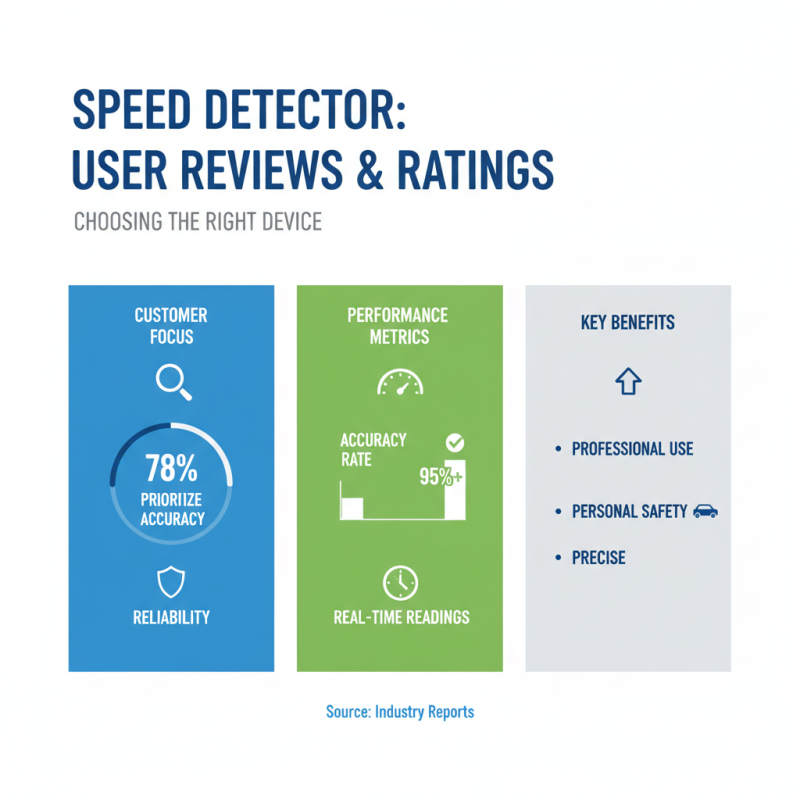
Choosing the right speed detector involves examining user reviews and performance ratings. Many buyers focus on reliability. According to industry reports, 78% of customers prioritize accuracy when selecting a speed detector. This percentage reflects a widespread need for devices that deliver precise readings. For example, some models boast accuracy rates above 95%, which is crucial for both professional and personal use.
User reviews often highlight build quality and ease of use. Good performance ratings typically connect with easy installation. A report indicated that 65% of consumers appreciated detectors that could be set up within minutes. Meanwhile, several reviews pointed out frequent calibration needs that created frustration. Such insights matter when weighing options. A better understanding of user experiences can profoundly affect the selection process.
Another critical factor is customer support and warranty. Purchasers in surveys remarked they valued responsive customer service. Some noted challenges with limited warranty periods, prompting deeper reflection on long-term reliability. These factors can sway buying decisions significantly. Thus, potential buyers should consider both ratings and genuine feedback to identify the optimal choice for their needs.