How to Choose the Best Led Strobe Lights for Your Needs?
In the world of safety and visibility, choosing the right LED strobe lights is crucial. Experts like John Maxwell, a lighting specialist with over 15 years in the industry, emphasize, “The right strobe lights can save lives.” With numerous options on the market, making the right choice can be overwhelming.
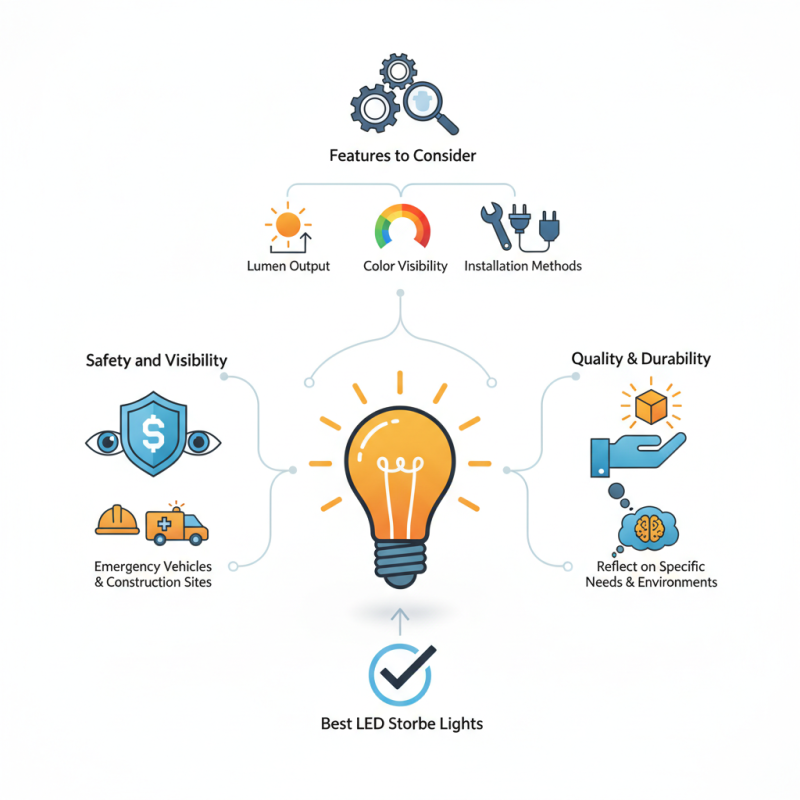
LED strobe lights come in various sizes and brightness levels. They serve multiple purposes, from emergency vehicles to construction sites. Knowing which features matter most can significantly impact your decision. It's essential to consider lumen output, color visibility, and installation methods.
While many may focus only on brightness, quality and durability are equally important. Some users may rush this decision, leading to inadequate lighting solutions. Reflect on your specific needs and environments. Investing time in research is necessary for selecting the best LED strobe lights.
Understanding the Basics of LED Strobe Lights
LED strobe lights have become popular for various applications, from emergency vehicles to concerts. Understanding their basics can significantly impact your purchasing decisions. A recent industry report indicates that the global LED strobe light market is expected to grow by 6.5% annually through 2027. This growth trend reflects advancements in technology and increasing demand for safety equipment.
LED strobe lights are not just about brightness. They differ in flash patterns, intensity, and power consumption. While some models offer a steady output, others provide multiple flash rates for different scenarios. It’s important to recognize that not all strobe lights are created equal. Some may not meet necessary safety standards, while others can be too bright for close-range use, causing temporary blindness or disorientation. Always check for certifications and usage regulations in your area.
When deciding on the best strobe lights, consider their intended use. For emergency response, lights must be highly visible in various conditions. For events, aesthetics and synchronization with other lighting could be more crucial. Getting the right model might require compromises, especially regarding budget versus functionality. Reflecting on your needs and potential shortcomings in your requirements will guide you toward the best choice.
How to Choose the Best Led Strobe Lights for Your Needs?
| Feature |
Description |
Importance |
Recommended Value |
| Wattage |
Power consumption of the light |
Essential for brightness and efficiency |
10W - 100W |
| Voltage |
Operating voltage specifications |
Critical for compatibility with power sources |
12V - 24V |
| Color Options |
Available strobe light colors |
Affects visibility in different environments |
Red, Blue, White |
| Flash Patterns |
Different strobe flashing sequences |
Enhances attention and warning effectiveness |
Multiple patterns available |
| Durability |
Resistance to harsh conditions |
Ensures longevity and reliability |
IP65 or higher rating |
| Installation Type |
How the light can be mounted |
Affects ease of setup and use |
Magnetic, permanent mount |
Identifying Your Specific Needs and Applications
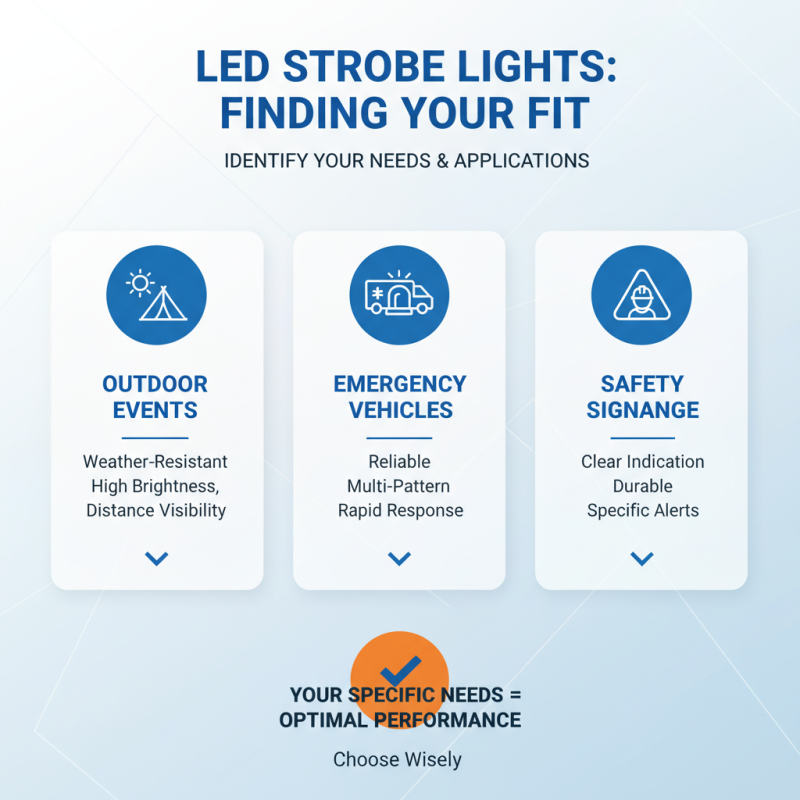
When selecting LED strobe lights, it's crucial to identify your specific needs and applications. Start by considering where you will use the lights. Are they for outdoor events, emergency vehicles, or safety signage? Each scenario has unique requirements. For example, outdoor lights should be weather-resistant and bright enough to be seen from a distance. Think about visibility.
Another factor to consider is the frequency of use. Are you using these lights regularly or just occasionally? If they are for frequent use, durability becomes essential. Look for reliable products that can withstand wear and tear. Reflect on your environment as well. Are there areas with high ambient light? If so, choose models with powerful output to ensure they stand out.
Also, think about ease of installation and compatibility with existing systems. Some lights require complex setups, causing frustration. You might prefer a simpler option, even if it lacks some advanced features. Balancing your needs against available options can feel overwhelming. Take your time to reflect on what matters most to you in a strobe light. By defining your key priorities, you can make a more informed decision.
Comparing Features and Specifications of Different Models
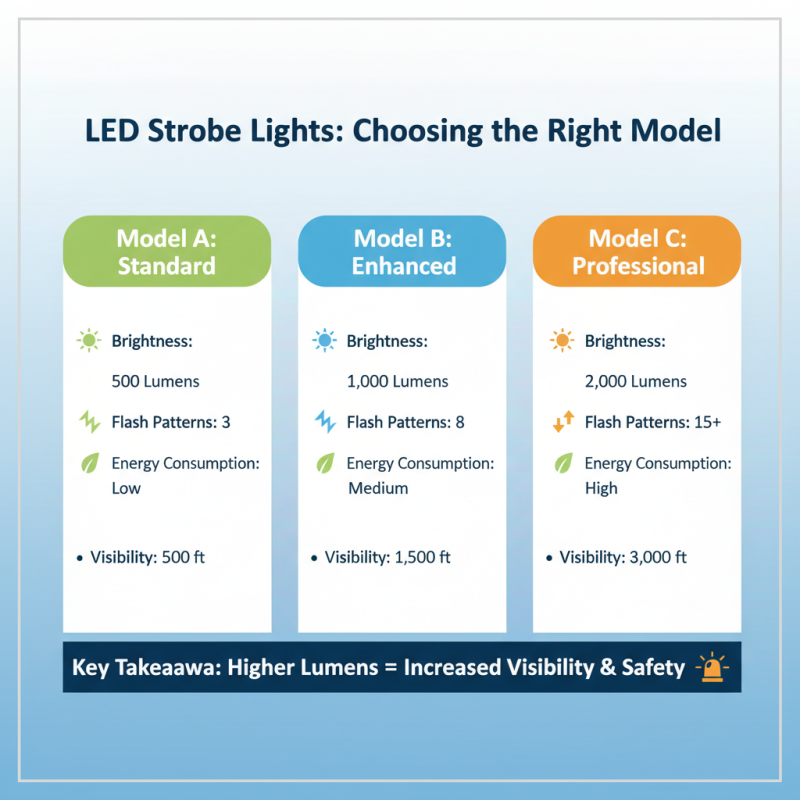
When selecting LED strobe lights, understanding their features and specifications is essential for making an informed choice. Many models vary in brightness, flash patterns, and energy consumption. Reports indicate that higher lumen ratings translate to more visibility. A study found that strobe lights with over 1,000 lumens can be seen from a distance of 1,500 feet. This can be crucial in emergency situations, ensuring maximum safety.
Another critical aspect is the durability of these lights. Those with an IP rating of 67 are water and dust resistant. This can significantly extend their lifespan, especially in harsh conditions. Moreover, consider the power source. Battery-operated models provide flexibility, while hardwired options often deliver continuous performance. Don't overlook the importance of installation. Some lights require complex wiring, while others offer easy plug-and-play setups.
Tips: Always evaluate the flash pattern options. Different scenarios may require various flashing sequences. Ask experts about common pitfalls like overheating. Sometimes, fancy features can distract from essential functions. Prioritize clarity and assess your environment.
Evaluating Quality and Brand Reputation
When selecting LED strobe lights, understanding quality and brand reputation is crucial. The quality of LED strobe lights is determined by the materials and technology used in their construction. High-quality lights often feature durable casings, efficient circuits, and reliable light output. Investigating the manufacturing process can reveal how well a product will last under various conditions.
Brand reputation is another essential factor to consider. Established brands usually offer consistent performance and customer support. Researching online reviews can provide insights into user experiences. Look for testimonials that highlight both the strengths and weaknesses of a brand. A combination of positive and negative reviews can help you gauge reliability.
Some brands may excel in certain areas while lacking in others. A brand known for bright lights might fall short in durability. Reflecting on the feedback from multiple sources offers a broader perspective. This approach can help shoppers make informed decisions, balancing quality with personal needs and expectations.
Assessing Budget and Pricing Options for LED Strobe Lights
When selecting LED strobe lights, pricing plays a crucial role.
Budget impacts the choices significantly. High-quality lights often come at a premium. However, various
affordable options exist that still deliver reasonable performance. It’s essential to balance cost and
functionality to meet your needs.
Consider not just the initial purchase price. Factor in long-term costs, like energy consumption
and replacement bulbs. Some models may be cheaper upfront but require frequent replacements or higher
energy costs. Short-term savings could lead to long-term expenses. Research different
options thoroughly before making a decision.
Evaluate your actual needs versus what you’re willing to spend. If you need these lights for
temporary use, a budget model may suffice. For daily use or critical applications, investing in a
higher-quality strobe makes more sense. Reflect on the quality versus cost debate
as this can shape your overall satisfaction with your purchase.