2026 How to Choose the Best Led Strobe Lights for Your Needs?
In the evolving landscape of safety and security, the demand for high-quality Led Strobe Lights has surged significantly. According to the latest Market Research Report, the global Led Strobe Lights market is expected to reach $1.5 billion by 2026. This growth is fueled by the need for better visibility in hazardous environments and for emergency signaling. The technology behind these lights has advanced rapidly, bringing forth products that are brighter, more energy-efficient, and longer-lasting.
Industry expert Dr. Emily Carter emphasizes the importance of selecting the right strobe lights. She states, “Choosing the right Led Strobe Lights can greatly enhance safety, especially in critical situations where visibility is paramount.” The fundamental question remains: how do consumers navigate through the myriad of options available? Factors such as brightness, energy consumption, durability, and installation ease must be thoroughly considered.
Despite the advancements, challenges persist. Many users struggle to identify which lights best suit their specific conditions. Without proper guidance, one might select a product that underperforms, leading to safety hazards. It's crucial to reflect on individual needs and the environments where these Led Strobe Lights will be deployed. Making informed decisions in this evolving market can significantly impact overall safety outcomes.
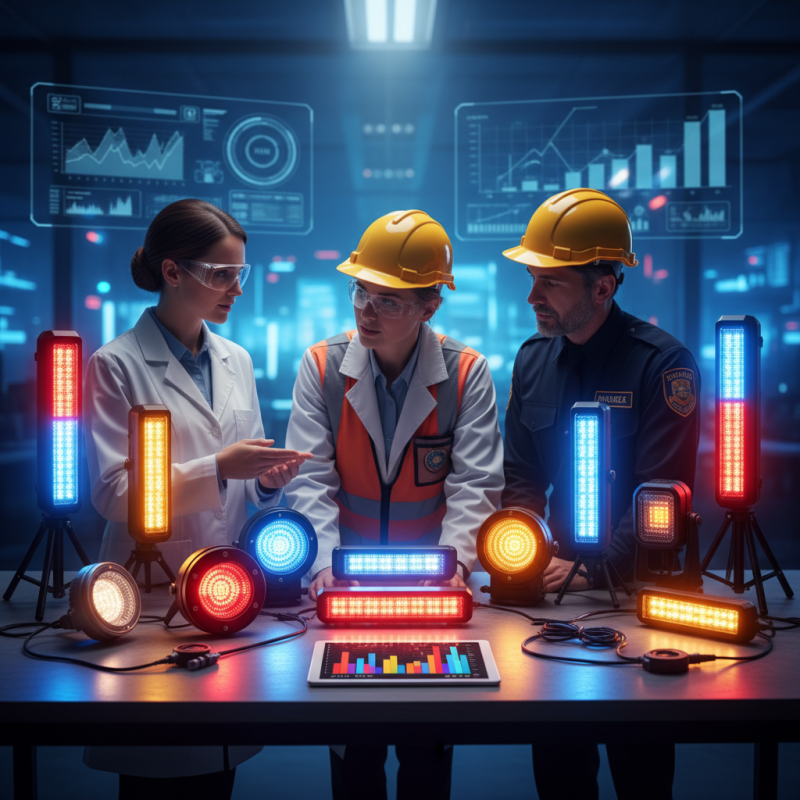
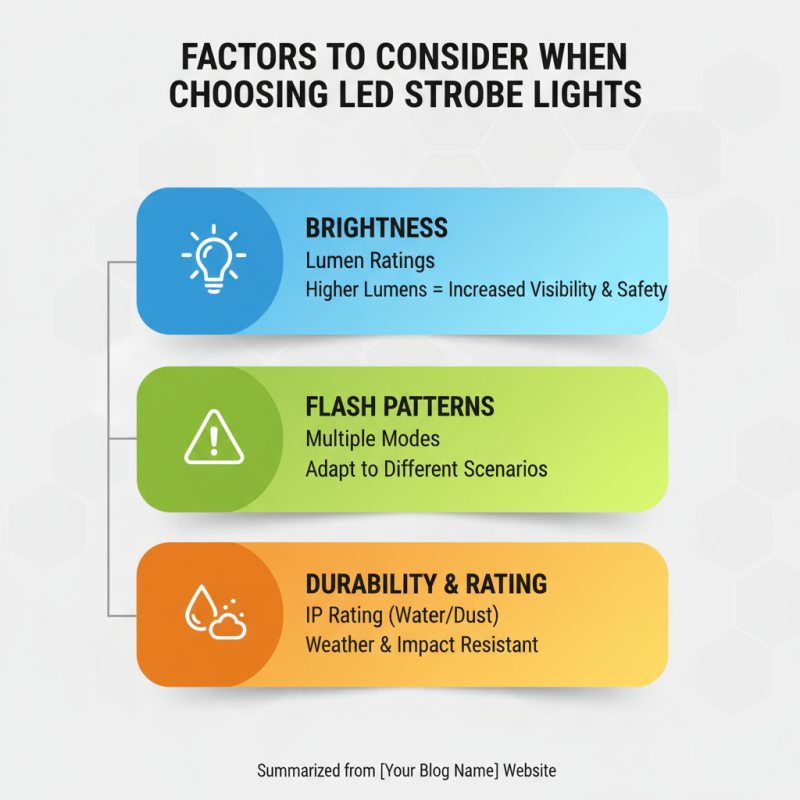
Factors to Consider When Choosing LED Strobe Lights
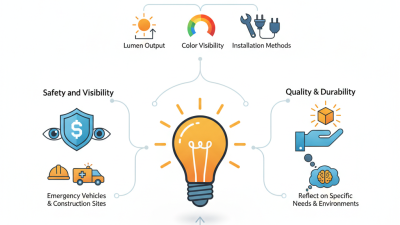
When choosing LED strobe lights, several factors should be considered to ensure they meet your specific needs. One key aspect is brightness. Look for lumen ratings, as these indicate how visible the light will be in different conditions. Higher lumens mean increased visibility, which can be crucial for safety or signaling.
Another important consideration is the light's durability. You may encounter harsh environments, so selecting lights with an appropriate IP rating can help. This indicates their resistance to dust and water, ensuring they last longer. Battery life is essential too. A longer-lasting battery means less frequent replacements, which can save time and effort.
Finally, consider the mounting options available. Some strobe lights are easily mounted on various surfaces, while others may require specific brackets or tools. Think about how and where you plan to use the lights. A wider range of angles can enhance their effectiveness. Remember, the right choice can significantly impact their functionality, so it’s worth taking the time to reflect on these details.
Different Types of LED Strobe Lights and Their Applications
When considering LED strobe lights, it’s essential to understand the different types and their applications. Common categories include emergency lights, signal lights, and decorative lights. Emergency lights are often used in police, fire, and medical services. Signal lights serve in construction zones or roadside alerts. Decorative LED strobe lights are popular in events and parties.
According to industry reports, the market for LED strobe lights has grown significantly, with a projected CAGR of 5.2% from 2021 to 2026. This growth indicates an increasing reliance on these lights for safety and aesthetics. Each type has its unique features tailored to specific needs. Emergency strobe lights usually offer higher lumens for visibility. Signal lights might have customizable flashing patterns suited for clear communication.
Tip: Assess your specific needs before purchasing. Consider the environment where the lights will be used. If it’s outdoors, ensure the lights are waterproof. Also, think about the desired intensity and duration of the flash. Some users overlook power source considerations, which can impact functionality over time. Researching these aspects will help make an informed decision when choosing the right LED strobe lights.
Understanding Brightness and Visibility Requirements for Strobe Lights
When it comes to choosing strobe lights, understanding brightness and visibility is crucial. Brightness is measured in lumens. Higher lumens indicate a brighter light. For greater visibility, especially in emergency situations, look for lights that produce at least 1,000 lumens. This ensures that your strobe lights are seen from a distance, even in daylight.
Consider the environment where the lights will be used. Reflective surfaces can enhance visibility. On the other hand, foggy or rainy conditions might require more powerful lights. Strobe lights with multiple flash patterns can also improve visibility. Different patterns can catch attention in various situations.
Tips for choosing strobe lights: Check the beam angle. A wider beam provides more coverage. Adjusting your needs can lead to better results. Don't overlook the color of the light. Certain colors stand out better against different backgrounds. Lastly, read user reviews. They can offer real-world insights into performance and reliability, which is invaluable in making your purchase decision.
Comparison of Brightness Levels in Different Strobe Light Types
The following chart illustrates the brightness levels (in lumens) of various types of LED strobe lights commonly used for different visibility requirements. This information can help you understand which strobe light might best suit your needs based on the brightness and visibility they provide.
Important Features to Look for in LED Strobe Lights
When choosing LED strobe lights, consider their brightness. A higher lumen output ensures visibility in different conditions. Some applications may require lights that can be seen from a distance. Look for models with adjustable brightness settings. This feature allows for flexibility in various environments.
Next, pay attention to the light's flash patterns. Different strobe lights offer multiple patterns. Some are ideal for emergency use, while others suit decorative purposes. Ensure that the patterns meet your specific needs. Durable construction is also vital. LED lights should withstand harsh weather conditions. Check for water resistance ratings and shockproof designs. This durability will affect their long-term reliability.
Finally, consider power options. Some strobe lights are hardwired, while others run on batteries. Battery-operated models offer portability but require regular charging or battery replacement. Weigh the pros and cons of each type. Take time to research before making a decision. Understanding these critical features will greatly enhance your selection process.
Comparing Cost and Quality of Various LED Strobe Light Brands
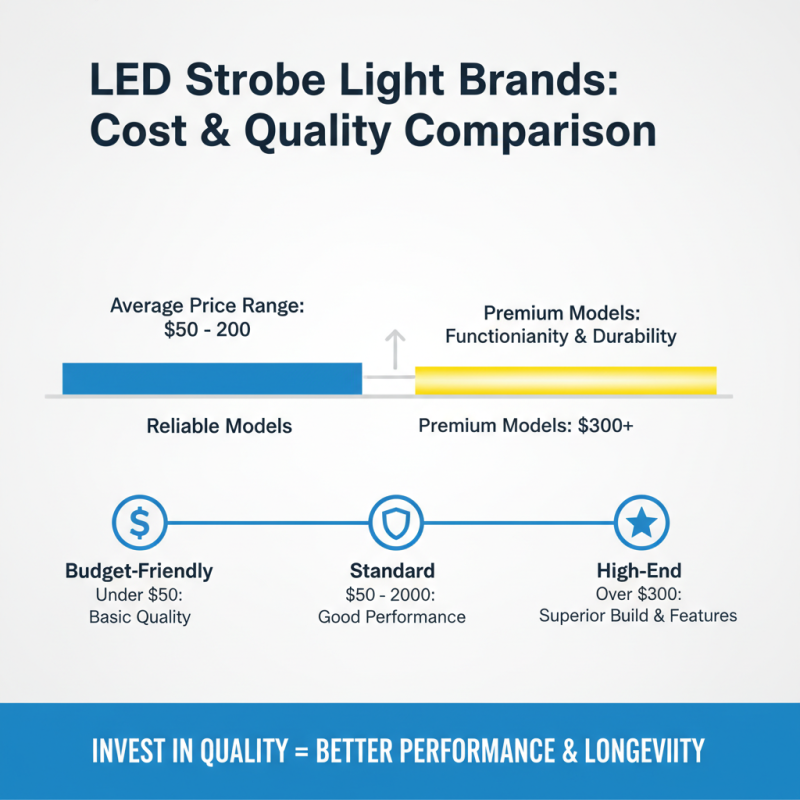
When choosing LED strobe lights, cost and quality are crucial factors. Recent industry reports indicate that the average price range for reliable LED strobe lights is $50 to $200. However, premium models can exceed $300. These figures show a significant investment in quality can often translate to better functionality and durability.
Brand reputation plays an important role. A study by the Lighting Industry Association found that 70% of consumers prioritize trusted manufacturers over lower-priced options. They believe these brands offer superior performance and reliability. Often, cheaper options skimp on essential features like brightness and longevity, which can lead to increased replacement costs over time.
It's important to note that the cheapest light isn't always the best choice. While initial costs may attract buyers, some lower-end models have a much shorter lifespan. This can lead to unexpected expenses down the line. Users should evaluate product reviews and in-depth tests provided by third-party experts, as these can provide insight into long-term reliability. Be prepared to balance your budget without compromising on quality for efficient long-term use.