China Top Solar Traffic Signal Light Solutions for Global Buyers?
In recent years, the demand for Solar Traffic Signal Light has surged globally. Many cities seek sustainable solutions to traffic management. Solar-powered lights offer a practical approach. They reduce reliance on traditional power sources, especially in remote areas. This shift aligns with environmental goals and urban development needs.
China has emerged as a leading provider of Solar Traffic Signal Light solutions. Its advanced manufacturing capabilities and competitive pricing attract international buyers. Companies are investing in technology to improve efficiency. However, some challenges remain, such as varying quality standards and the need for reliable suppliers.
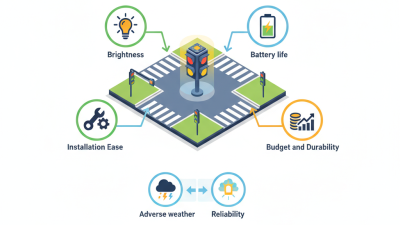
Understanding how solar traffic lights function is essential for informed purchasing decisions. Potential buyers should consider factors like durability, visibility, and installation ease. While many options exist, not all products meet high-performance standards. Thorough research is crucial to ensure long-lasting and effective solutions.
Overview of Solar Traffic Signal Lights in China
China has become a global leader in solar traffic signal light production. The country's commitment to renewable energy is evident in its growing market for solar-powered solutions. According to recent industry reports, the global solar traffic signal light market is expected to witness a compound annual growth rate (CAGR) of over 15% from 2023 to 2028. This surge reflects the increasing demand for sustainable traffic management systems worldwide.
Solar traffic signal lights offer numerous advantages. They reduce electricity costs and carbon footprints. These systems operate autonomously, using solar panels to harness sunlight. This can effectively address traffic management needs, especially in remote or off-grid areas. In China, cities like Shenzhen and Beijing have successfully implemented these lights, reducing energy consumption by approximately 30% in urban settings.
Despite these advancements, challenges remain. The reliability of solar signal lights in extreme weather conditions raises concerns. Additionally, inconsistent solar intensity can lead to performance variability. Some recent studies indicate that while solar technology is effective, maintenance issues do arise. Ensuring these systems operate efficiently year-round is crucial for widespread adoption. Continued innovation and research will be essential to overcome these hurdles and improve reliability.
Key Features of China's Solar Traffic Signal Light Solutions
China has emerged as a leading provider of solar traffic signal light solutions, gaining attention from global buyers. These lights are designed with energy efficiency in mind. Utilizing advanced solar technology, they harness sunlight to function effectively, reducing dependency on traditional power sources. Their ability to operate in various weather conditions is a testament to their reliability. Many models feature robust waterproof designs, ensuring durability and long-term performance in diverse environments.
Key features include automatic brightness adjustments. This allows the signals to remain visible during the day and night, enhancing safety. Some solutions incorporate smart technology, enabling remote monitoring and diagnostics. This facilitates timely maintenance and improves operational efficiency. Buyers often appreciate the ease of installation, as these systems are typically designed for quick setup without extensive infrastructure changes.
However, there are challenges to consider. Some regions may find it difficult to maintain optimal performance during prolonged cloudy weather. Additionally, the initial investment can be a hurdle for smaller municipalities. Evaluating the total cost of ownership, rather than just upfront expenses, is crucial for decision-makers. Understanding these nuances helps buyers make informed choices tailored to their specific needs.
Advantages of Choosing Chinese Solar Traffic Signal Products
China has emerged as a leading manufacturer of solar traffic signal lights, attracting global buyers. One of the key advantages of choosing Chinese solar traffic signal products is their cost-effectiveness. According to industry reports, solar traffic signals made in China can be 30-50% cheaper than those produced in North America or Europe. This price difference is primarily due to lower production costs and efficient supply chains.
Moreover, these solar traffic signals are designed with advanced technology and durability in mind. Research indicates that many models have a lifespan of over 10 years, even in harsh weather conditions. The use of high-quality solar panels ensures efficient energy use, enabling lights to operate at least 12 hours a day without sunlight, offering reliable performance.
However, potential buyers should consider the variation in quality among suppliers. Not all products meet international standards. It is crucial to evaluate certifications and customer reviews. The market's rapid growth can affect product consistency, leading to unexpected challenges. Investing time in research is vital to ensure reliable and effective solar traffic signals.
Market Trends and Demand for Solar Traffic Signal Lights Globally
The demand for solar traffic signal lights is rising globally. Cities are adopting sustainable technologies to enhance traffic management. Solar traffic lights are beneficial for energy efficiency. They reduce reliance on traditional power sources, and many municipalities are exploring these options.
Consider the location when installing solar traffic lights. Direct sunlight is essential for optimal performance. Shadows from nearby buildings or trees can hinder their efficiency. Regular maintenance is vital, but challenges exist. Dust and debris may accumulate on solar panels.
Investing in solar traffic signals offers economic and environmental benefits. However, upfront costs can be a hurdle. Some regions may lack infrastructure support, complicating implementation. Understanding local regulations is crucial. This knowledge helps in deploying effective solutions tailored to specific needs.
Case Studies of Successful Implementations in Various Countries
Innovative traffic management solutions are critical as urban areas grow. Solar traffic signal lights have proven effective in various countries. For example, in India, a pilot project in Delhi reduced energy costs by 40% by integrating solar technologies. This success demonstrates the potential for localized solutions, addressing both energy consumption and traffic safety.
In Brazil, solar traffic signals double as street lights. They help enhance visibility during nighttime and rainy conditions. A city project reported a 30% decrease in accidents at intersections where solar signals were installed. This illustrates the dual benefits of such installations, combining sustainability with improved road safety.
However, challenges persist. Many regions experience inconsistent sunlight exposure, potentially limiting solar signal effectiveness. It is essential for planners to consider geographic factors before implementation. Collectively, these case studies highlight the opportunities and obstacles in adopting solar traffic signals globally.
China Top Solar Traffic Signal Light Solutions for Global Buyers
| Country |
Implementation Year |
Number of Units |
Energy Savings (%) |
User Satisfaction (%) |
| USA |
2021 |
500 |
30 |
85 |
| Australia |
2020 |
300 |
25 |
90 |
| Germany |
2019 |
450 |
35 |
88 |
| Brazil |
2022 |
250 |
20 |
82 |
| South Africa |
2023 |
100 |
40 |
91 |