China Best Road Safety Practices for a Safer Travel Experience?
In recent years, road safety has become a crucial topic worldwide, especially in China. Dr. Li Wei, a prominent road safety expert, emphasizes, "Each life lost on the road is a tragedy we can prevent." This statement underscores the importance of effective road safety practices.
China, with its vast population and rapid urbanization, faces unique challenges in ensuring road safety. Measures such as improved traffic management, public awareness campaigns, and stricter enforcement of traffic laws have shown promising results. However, the implementation of these practices often reveals gaps. For instance, despite ongoing efforts, pedestrian safety continues to be a pressing issue.
While advancements have been made, the journey toward optimum road safety is ongoing. Real challenges persist, including distracted driving and inadequate infrastructure. Thus, learning from China's best practices can offer valuable insights. By analyzing successes and addressing failures, stakeholders can work together to create a safer travel experience for all users.
Overview of Road Safety Practices in China
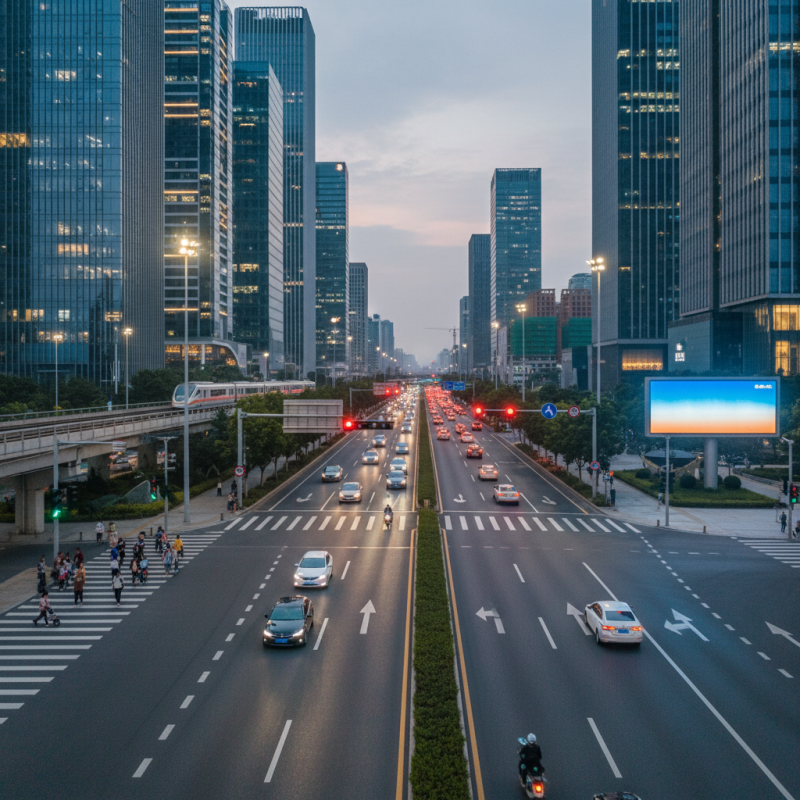
Road safety practices in China have evolved significantly in recent years. The focus has shifted to both infrastructure development and public awareness. New initiatives aim to reduce traffic accidents and enhance overall safety on the roads. For example, many cities have implemented better signage and pedestrian zones to protect vulnerable road users.
Education plays a crucial role in improving road safety. Campaigns raise awareness about safe driving habits and the dangers of distracted driving. Traditional media, social platforms, and community events encourage responsible behaviors. However, despite these efforts, challenges remain. Many drivers still fail to comply with basic traffic laws.
**Tips**: Always wear your seatbelt. Remind passengers to buckle up too. Avoid using your phone while driving. Keep your speed within the limits. Be vigilant at crosswalks where pedestrians might unexpectedly step into the road.
Furthermore, technology is starting to make an impact. Smart traffic lights and monitoring systems help manage the flow of vehicles. Despite these advances, accidents still occur at surprising rates. Continuous improvements in legislation and enforcement are necessary. The goal is to cultivate a culture of safety that prioritizes human lives over convenience.
Key Legislation and Policies Supporting Road Safety
Road safety in China has improved significantly over the years. Key legislation plays an essential role in this progress. The Road Traffic Safety Law outlines crucial measures to enhance safety standards. It mandates the use of seat belts and helmets. Additionally, the law has stricter penalties for speeding and driving under the influence. These regulations aim to deter reckless behavior.
Public awareness campaigns are crucial in promoting road safety. Authorities collaborate with schools and communities to educate citizens. Many programs focus on pedestrian safety and responsible driving. However, challenges remain. Some drivers still neglect traffic rules. Awareness efforts need to be continuous and engaging.
Technological advancements also support road safety in China. Smart traffic systems are being implemented in major cities. These systems optimize traffic flow and reduce congestion. Yet, not all regions have access to these innovations. The gap in infrastructure poses risks. Ensuring widespread adoption is vital for a safer travel experience.
Innovative Technologies Enhancing Road Safety
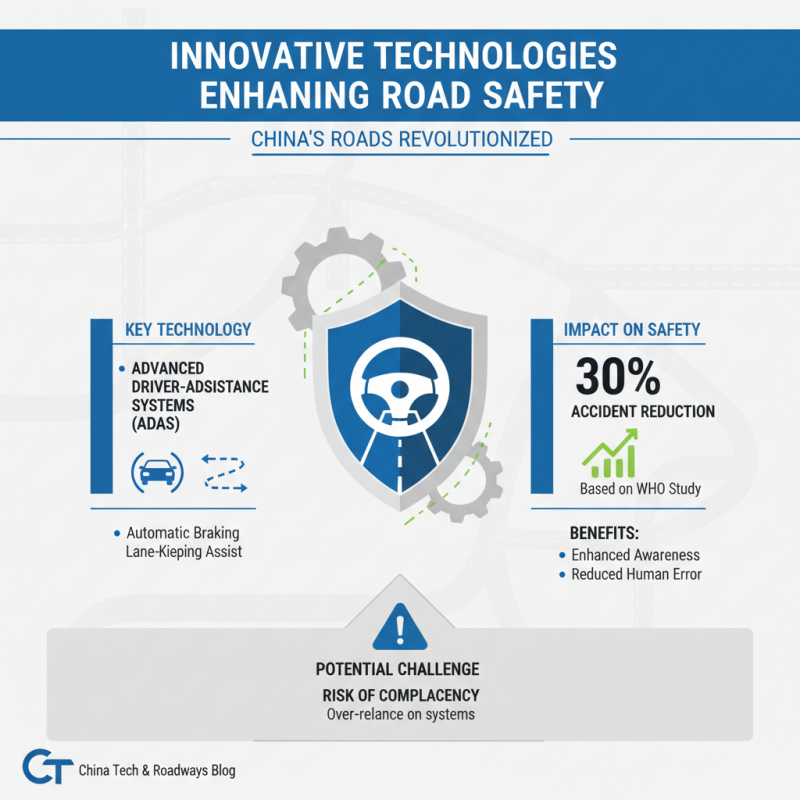
Innovative technologies are transforming road safety in China. Advanced driver-assistance systems (ADAS) are becoming standard in vehicles. According to a study by the World Health Organization, implementing ADAS can reduce road accidents by up to 30%. Features like automatic braking and lane-keeping assist enhance driver awareness, yet reliance on these systems can lead to complacency.
One notable advancement is the use of AI in traffic management. Smart traffic lights adapt to real-time conditions, reducing congestion and accidents. Data from traffic monitoring systems shows a 15% drop in collisions at intersections using these technologies. However, overdependence on such systems might result in lower vigilance among drivers.
Tips: Always stay alert, even with advanced technologies. They are tools, not substitutes. Conduct regular vehicle maintenance to ensure all safety features work properly. Finally, consider attending road safety workshops to stay informed about best practices. Embracing technology is crucial, but personal responsibility remains key.
Community Engagement and Public Awareness Campaigns
Community engagement plays a vital role in improving road safety. Local citizens often have the best understanding of their unique traffic conditions. By collaborating with community members, authorities can identify problem areas. They can organize workshops to discuss traffic concerns and gather valuable input. This two-way communication builds trust and ensures that solutions meet local needs.
Public awareness campaigns are essential to promote safe driving habits. Simple messages can have a powerful impact. Using social media, local leaders can share stories of road safety. Engaging visuals grab attention and encourage sharing. Community events, like safety fairs, can also raise awareness. These gatherings provide a platform for information and training about safe practices.
The challenge lies in maintaining ongoing engagement. Communities cannot rely on one-time events. Regular updates and refresher courses are necessary. It’s crucial to track the effectiveness of campaigns and adapt strategies as needed. Feedback loops with the community can reveal what works and what doesn’t. This ongoing dialogue fosters a culture of safety that encourages responsible behavior among all road users.
Challenges and Future Directions in Road Safety Management
Road safety management in China faces significant challenges. Despite progress, the World Health Organization (WHO) reported that road traffic injuries remain a leading cause of death among young people worldwide. In China, about 58,000 fatalities occurred in 2021, capturing the gravity of the situation. Distracted driving and speeding are prevalent issues. According to a 2022 report from the Ministry of Public Security, over 35% of accidents involved driver distraction.
Looking ahead, the integration of technology presents both opportunities and challenges. Innovations like vehicle-to-everything (V2X) communication offer potential for improved safety. However, the implementation of these technologies requires infrastructure upgrades. A research study from Tsinghua University indicated that about 80% of urban roads need modernization to support such systems effectively. Addressing human factors is another critical area. The focus should shift toward better education and awareness campaigns to combat risky behaviors.
While these statistics highlight the severity of road safety issues, they also suggest the need for continuous improvement. Stakeholders must engage in data-driven decision-making. Collaborations between government agencies, academia, and the private sector can foster innovative solutions. Emphasizing human-centered design in transportation systems can lead to safer outcomes for all road users.
China Best Road Safety Practices for a Safer Travel Experience
| Safety Practice |
Description |
Effectiveness |
Challenges |
Future Directions |
| Increased Speed Limit Enforcement |
Implementing stricter penalties for speeding violations. |
High impact on reducing speed-related accidents. |
Resistance from drivers and potential for increased congestion. |
Adopt technology for automated enforcement. |
| Road Safety Campaigns |
Awareness programs focusing on seatbelt usage and DUI prevention. |
Moderate impact; effective in urban areas. |
Limited reach in rural communities. |
Utilize social media and mobile apps for wider engagement. |
| Improved Road Infrastructure |
Enhancements in road design and maintenance. |
Significant reduction in accident rates. |
Funding limitations and long project timelines. |
Prioritize critical areas and explore public-private partnerships. |
| Use of Intelligent Transportation Systems (ITS) |
Integration of technology for traffic management and information dissemination. |
Highly effective in urban environments. |
High implementation costs and technological barriers. |
Invest in research and development for affordable solutions. |
| Public Education and Training |
Programs for driver education focusing on safety and defensive driving techniques. |
Improves driver behavior significantly. |
Participation rates can be low. |
Incorporate online modules and incentives for participation. |