China Top Road Safety Innovations for Global Buyers?
As global interest in road safety increases, China emerges as a leader in innovative technologies. According to the World Health Organization, road traffic injuries claim over 1.3 million lives annually. Innovations in vehicle safety systems and smart infrastructure have the potential to significantly reduce these statistics.
Expert in traffic safety, Dr. Li Chen, states, "Addressing road safety requires a blend of technology and awareness." His insights highlight the urgency for global markets to adopt China’s advancements. From advanced driver-assistance systems (ADAS) to AI-integrated traffic management, China’s solutions promise enhanced road safety. These innovations not only improve vehicle performance but also promote safer driving behaviors.
However, there is a need for continuous evaluation of these technologies. The rapid evolution can outpace regulatory frameworks, leading to concerns about ethics and consumer trust. Moreover, a lack of awareness can hinder the effective implementation of safety measures. Thus, understanding and integrating China's road safety innovations is crucial for transforming global road safety standards.

China’s Pioneering Technologies in Road Safety Innovations
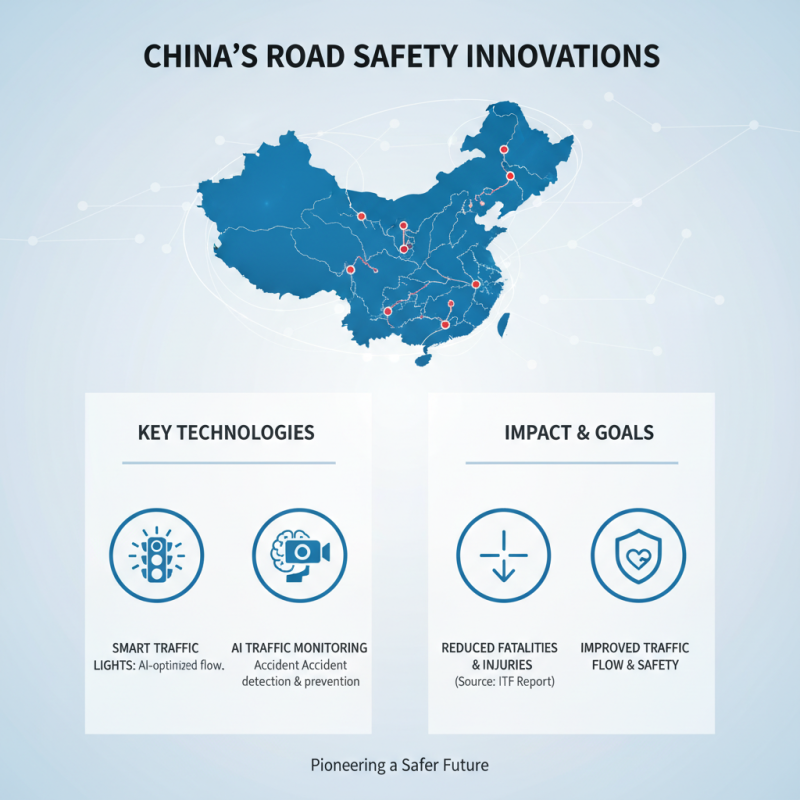
China is becoming a leader in road safety innovations. Various urban centers are implementing advanced technologies to enhance traffic safety. According to a report by the International Transport Forum, improving road safety can significantly reduce fatalities and injuries. In China, initiatives have focused on smart traffic lights and AI-driven traffic monitoring systems. These adjustments aim to decrease accidents and improve traffic flow.
Recent developments highlight the integration of IoT devices in vehicles. A study from the National Highway Traffic Safety Administration indicates that connected vehicles have the potential to reduce crashes by 30%. Technologies such as collision avoidance systems are gaining traction in Chinese cities. However, challenges persist. Data privacy concerns and inconsistent technology adoption among regions raise questions about overall effectiveness.
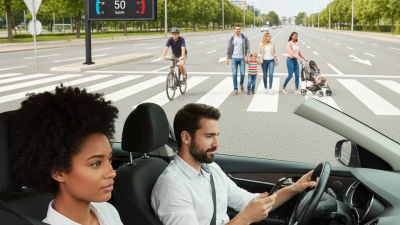
Another area of innovation is in pedestrian safety. Crosswalk systems that adapt in real time to traffic conditions are being piloted. Early evaluations suggest these systems could lower pedestrian injuries. The reliance on technology requires ongoing assessment. While advancements are promising, the path to universal road safety solutions remains complex. Addressing these hurdles will be essential for future success in global road safety efforts.
Smart Traffic Management Systems Developed in China
In recent years, China has become a leader in smart traffic management systems. According to a report by the International Transport Forum, smart traffic management can reduce congestion by up to 30%. These systems utilize artificial intelligence to analyze traffic patterns in real-time. By adjusting traffic signals dynamically, these systems enhance road safety significantly.
The integration of big data in traffic management also plays a crucial role in improving safety. A study from the Chinese Academy of Sciences indicates that cities implementing smart traffic solutions saw a 20% decrease in accidents. Urban areas are often crowded. Thus, timely traffic updates can save lives. Innovations like vehicle-to-infrastructure communication are still developing. Challenges remain in data security and system interoperability.
While progress is evident, it is not without hurdles. Some cities face high costs in implementation. Knowledge gaps among local authorities can hinder effective deployment. Moreover, public acceptance of new technologies takes time. Continuous feedback and adaptation will enhance system reliability. Addressing these issues is vital for truly effective traffic management solutions in the future.
Cutting-Edge Vehicle Safety Features Emerging from Chinese Manufacturers
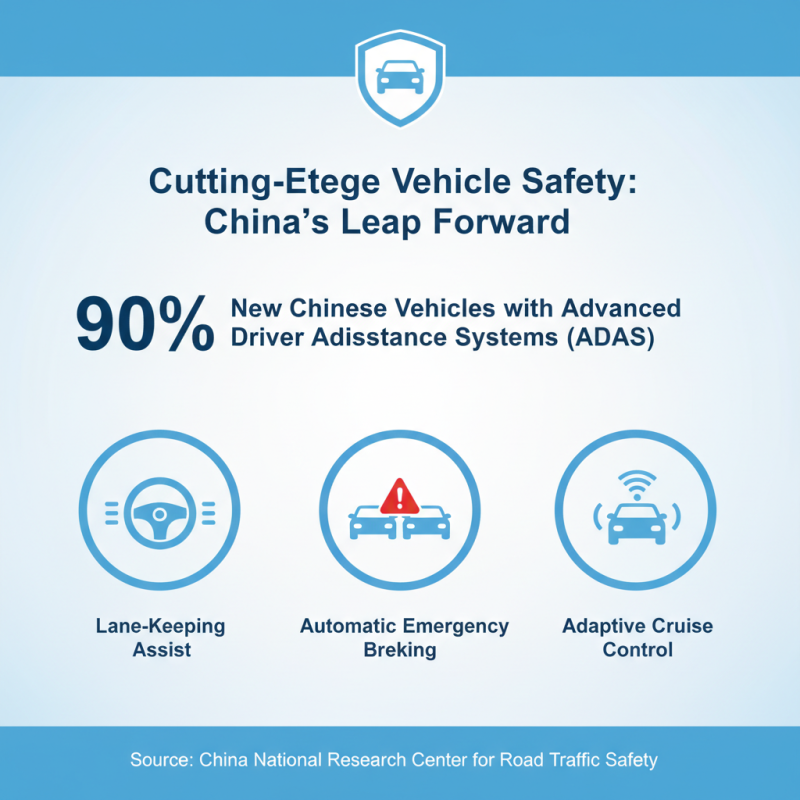
Recent reports highlight significant innovations in vehicle safety features from Chinese manufacturers. A study by the China National Research Center for Road Traffic Safety indicates that over 90% of new vehicles in China are equipped with advanced driver assistance systems (ADAS). These systems include lane-keeping assistance, automatic emergency braking, and adaptive cruise control. Such features play a crucial role in preventing accidents and enhancing driver safety.
Moreover, innovative technologies like vehicle-to-everything (V2X) communication are emerging. This technology allows cars to communicate with traffic signals and other vehicles. According to a report from the International Transport Forum, V2X could reduce traffic accidents by up to 30%. However, the implementation of these systems is not without challenges. Technical integrations and infrastructure readiness remain key hurdles for broader adoption.
Chinese manufacturers are also focusing on integrating artificial intelligence into vehicle safety features. AI can help analyze real-time data from various sensors. This data can predict potential hazards on the road. Despite the promising advancements, concerns about data privacy and cybersecurity need addressing. Ensuring the reliability of these systems is crucial for gaining consumer trust.
Innovative Road Infrastructure Solutions from China
China has made significant strides in road infrastructure innovations, capturing global attention. These solutions prioritize safety and efficiency. Smart traffic signals are one example. These signals adapt to real-time traffic conditions, reducing congestion. They ensure pedestrian safety by adjusting light durations accordingly. This responsive approach has been gaining traction in urban planning.
Another noteworthy innovation is the use of intelligent asphalt. This material not only improves driving conditions but also contributes to noise reduction. Roads made from this technology provide a smoother ride and lessen vibrations. However, challenges remain in its widespread adoption. There are concerns about long-term durability and costs. Observing the effects of these innovations in varied climates could shed light on their effectiveness.
The integration of renewable energy in road infrastructure is also evolving. Solar panels embedded in highway surfaces generate energy. This energy can power streetlights and signage. Yet, the balance between cost and energy output needs further evaluation. Ensuring these technologies are reliable in diverse environments is crucial. Each innovation brings hope for safer roads, but critical assessment is necessary to ensure they meet global standards.
Collaborative Efforts in Global Road Safety Standardization by China
China plays a vital role in global road safety standardization. The country has invested significantly in research and development. Collaboration with international organizations helps share knowledge and innovative practices. This cooperation leads to more reliable traffic safety measures.
Innovations include smart traffic management systems. These systems optimize traffic flow and reduce congestion. Data analytics improve decision-making for urban planners. However, there are challenges in integrating these systems globally. Some regions may lack the infrastructure to support such technologies.
China's approach shows promise but needs refinement. Learning from global best practices can enhance local initiatives. Engaging stakeholders, including local communities and experts, is essential. This ensures that solutions are tailored and effective. Bridging the gap between innovation and practical application remains a key focus.
China Top Road Safety Innovations for Global Buyers
| Innovation |
Description |
Impact on Road Safety |
Adoption Rate (%) |
| Smart Traffic Signals |
Adaptive traffic management systems that change signal timing based on real-time traffic data. |
Reduces congestion and accident rates at intersections. |
75% |
| Vehicle Collision Avoidance Systems |
Technology that alerts drivers of potential collisions and can take control to prevent an accident. |
Significantly reduces the likelihood of severe accidents. |
68% |
| Road Monitoring Drones |
Drones used for real-time surveillance of road conditions and traffic flow. |
Improves response times for road hazards and accidents. |
55% |
| Enhanced Road Markings |
Thermal and luminous road markings that improve visibility in low-light conditions. |
Helps prevent accidents during night-time driving. |
80% |
| Pedestrian Detection Systems |
Systems that alert drivers when pedestrians are detected in their path. |
Reduces accidents involving pedestrians. |
62% |