10 Best Traffic Signal Innovations You Should Know About?
Traffic signals play a crucial role in urban traffic management. They ensure safety for drivers and pedestrians alike. However, traditional traffic signal systems have limitations. Innovations in this area are transforming our roads and improving traffic flow.
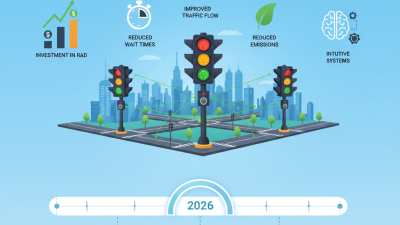
Modern traffic signal technology incorporates smart sensors, adaptive algorithms, and real-time data. These advancements help reduce congestion and shorten wait times. One notable example is the integration of artificial intelligence. This technology analyzes traffic patterns and adjusts signals accordingly.
Innovations also address pedestrian needs. Features like countdown timers and accessible signals enhance safety. While these developments are promising, challenges remain. High implementation costs and varying infrastructure can hinder progress. Continuous improvement is essential for effective traffic signal systems. Understanding these innovations is vital for anyone engaged in urban planning or transportation.
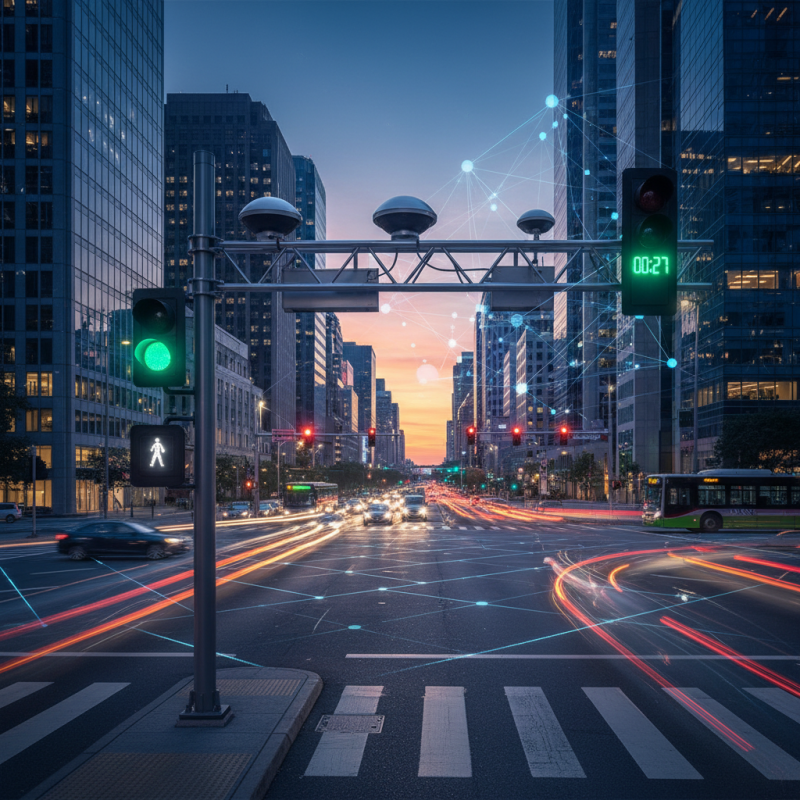
Evolution of Traffic Signal Technology Through the Years
Traffic signal technology has undergone significant changes since its inception in the early 20th century. Initially, signals displayed only red and green colors, reflecting human interpretations of traffic flow. Today, advancements have introduced smart signals that analyze real-time data. According to a study by the Institute of Transportation Engineers, adaptive signal control technology can reduce delays by 10-30%. This increase in efficiency helps alleviate congestion in urban areas, enhancing road safety.
The introduction of pedestrian countdown signals marks another crucial evolution in traffic management. By providing clear visual cues, they improve pedestrian compliance. A survey by the National Highway Traffic Safety Administration revealed that these signals can reduce pedestrian accidents by 15%. However, the implementation is uneven, and some locations still prioritize vehicle traffic over pedestrian safety. This disparity suggests the need for ongoing development in traffic signal technologies to ensure equity on the road.
Emerging technologies, such as vehicle-to-infrastructure communication, represent the next frontier. These systems allow vehicles to communicate directly with traffic signals, creating more coordinated traffic flow. Despite their potential, challenges remain in standardizing communication protocols. Many infrastructure upgrades are still incomplete, leading to an inconsistent driver experience. The evolution of traffic signal technology is promising but requires a balanced approach to fully maximize its benefits for all road users.
Smart Traffic Signals: Integrating AI for Improved Traffic Flow
Smart traffic signals are revolutionizing urban mobility. By integrating artificial intelligence, they optimize traffic flow and reduce congestion. According to a report by McKinsey, traffic congestion costs cities over $100 billion annually in lost productivity. Innovative technologies help manage this issue effectively.
These advanced systems collect real-time data on vehicle counts and traffic patterns. This capability allows for adaptive signal timings. A study from the Institute of Transportation Engineers found that smart traffic signals can reduce wait times by up to 30%. However, challenges remain, such as the need for robust infrastructure and maintenance.
AI-driven signals also face hurdles in urban environments. They can be affected by unpredictable human behaviors, like sudden stops or traffic scofflaws. Although these signals promise efficiency, continuous improvement and adaptation are vital. The technology needs ongoing evaluation to ensure effectiveness in diverse settings.
Innovations in Smart Traffic Signals: Impact on Traffic Flow
Pedestrian Safety Innovations in Traffic Signal Design
Pedestrian safety is a crucial aspect of traffic signal design. Recent innovations have aimed to reduce accidents and enhance visibility for pedestrians. One effective approach is the use of countdown timers at crosswalks. These timers inform pedestrians how many seconds remain before the signal changes. They create a sense of urgency and encourage swift crossings. However, not all pedestrians can read these timers easily. This highlights the need for improved designs ensuring better clarity.
Another initiative includes auditory signals for visually impaired pedestrians. These signals emit sounds, guiding individuals safely across intersections. Additionally, some cities have introduced tactile paving. This textured ground surface helps those with visual impairments detect when they are near a crossing. However, these innovations are not without challenges. The effectiveness of such measures can vary based on urban layouts and community awareness. Education on how to use these signals effectively is often lacking, which raises questions about accessibility.
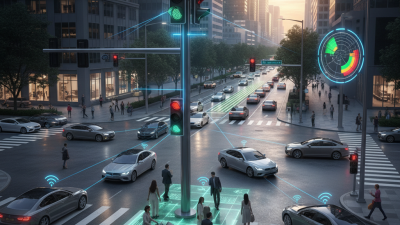
Moreover, some cities have implemented "smart" traffic signals that adapt to real-time pedestrian movement data. These systems prioritize pedestrian safety by extending crossing times during high foot traffic. While promising, they require substantial investment and maintenance. Many places still rely on outdated systems that do not prioritize safety. Addressing these inconsistencies remains vital for creating safer urban environments for everyone.
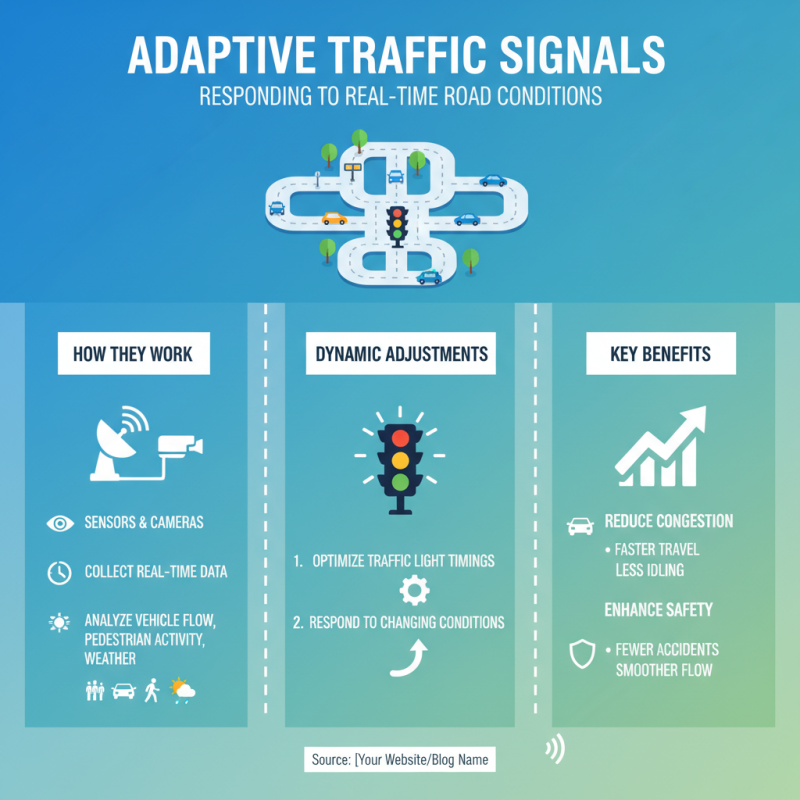
Adaptive Traffic Signals: Responding to Real-Time Road Conditions
Adaptive traffic signals are revolutionizing road management. These systems use real-time data to adjust traffic light timings. Sensors and cameras collect information on vehicle flow, pedestrian activity, and even weather conditions. This responsiveness helps reduce congestion and enhance safety.
For example, during rush hours, traffic signals might favor main arteries. In quieter times, they shift focus to minor roads. This flexibility can improve travel times significantly. However, implementation challenges exist. Infrastructure limitations and system compatibility may hinder effectiveness. Local governments must invest wisely to overcome these hurdles.
While adaptive signals showcase innovation, they also raise concerns. How well do they communicate during peak traffic? Are they foolproof in emergencies? Continuous evaluation and updates are needed for optimal performance. Balancing technology with human factors is essential for successful integration.
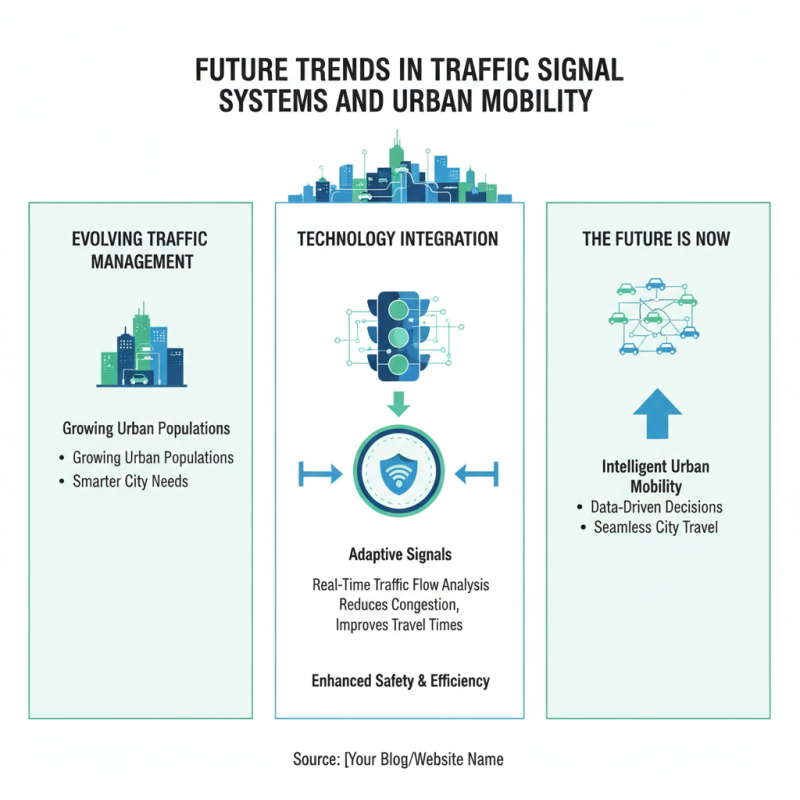
Future Trends in Traffic Signal Systems and Urban Mobility
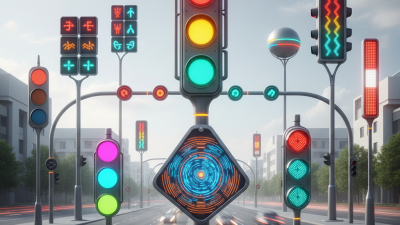
Traffic signal systems are evolving rapidly. As urban populations grow, so does the need for smarter traffic management. The integration of technology in traffic signals enhances safety and efficiency. For instance, adaptive signals can change based on real-time traffic flow. This reduces congestion and improves travel times.
Another trend is the use of pedestrian-friendly signals. These signals become more visible when pedestrians are present. Dedicated bike signals are also emerging, allowing cyclists to navigate intersections safely. However, implementing these systems requires careful planning. Cities must consider infrastructure and user behavior.
Data collection is becoming essential in traffic signal management. Sensors track vehicle and pedestrian movement. This information informs real-time adjustments. It can shape future urban designs. Yet, privacy concerns must be taken into account. Striking a balance between innovation and public trust is crucial. The future of urban mobility lies in these advancements, but reflection is needed on their implications.