Best Speed Radar Detector for Accurate Detection and Safety?
In today's world of increasing road safety concerns, having an effective Speed Radar Detector is essential. According to Mark Jeffries, a well-respected traffic safety expert, “Choosing the right radar detector can make all the difference in avoiding unnecessary fines.” His insight into this technology underscores its importance for drivers.
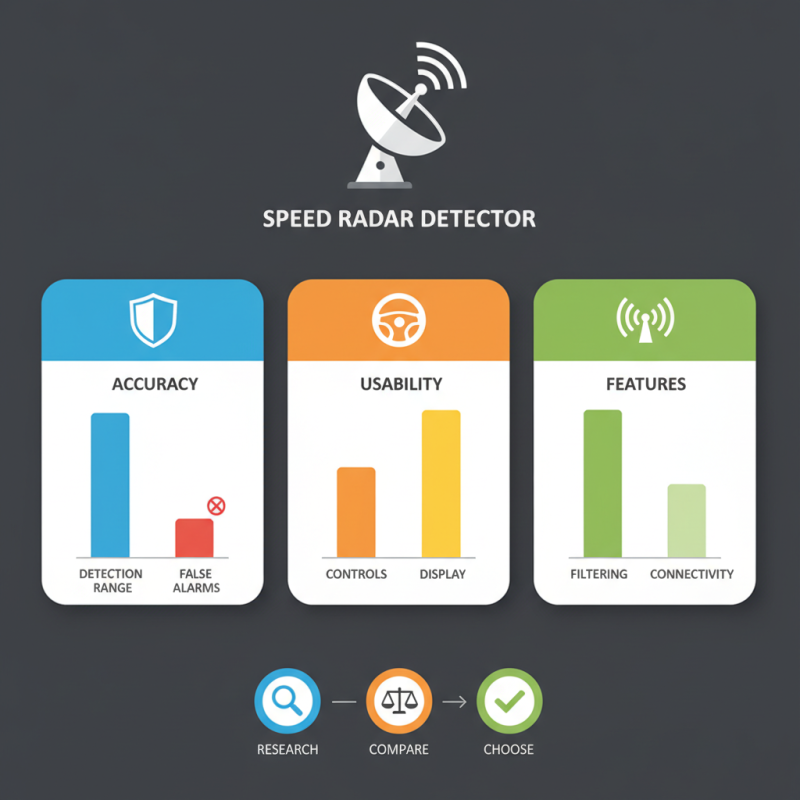
With technology evolving, every driver should consider investing in a reliable Speed Radar Detector. These devices are designed to alert users about speed enforcement measures. However, not all detectors are created equal. Some models may offer false alarms, leading to driver distraction. It takes careful research to select the best option that balances accuracy and usability.
While many radar detectors boast high performance, discrepancies remain. Users must weigh their experiences and prioritize features like detection range and filtering capabilities. As we explore the best options available, it’s crucial to recognize that the choice of a Speed Radar Detector is personal. Finding the right fit involves reflection and patience, helping to ensure safety on the road.
Understanding Radar Detectors and Their Functionality
Radar detectors have become essential tools for many drivers, providing a layer of awareness on the road. These devices work by detecting radio waves emitted by police radar guns. This technology allows drivers to stay informed about their speed relative to legal limits. According to the Insurance Institute for Highway Safety (IIHS), radar detectors can potentially reduce speeding violations, contributing to overall road safety.
Understanding how radar detectors function is key to using them effectively. They consist of a receiver that identifies various radar frequencies. A report from Consumer Reports highlights that detectors can pick up K-band, Ka-band, and laser signals, which are commonly used by law enforcement. However, not all radar detectors perform equally; some may miss signals or experience false alerts. Accuracy in detection is a critical factor for maximizing their usefulness.
While radar detectors provide valuable data, their reliability can fluctuate. Environmental factors, like terrain and the density of urban areas, can also impact detection quality. Recent studies suggest that seasoned drivers who utilize these devices are more adept at understanding their limitations. A radar detector is a tool, but it doesn't replace good driving practices. A mindful approach toward speed limits and traffic laws remains vital for safety.
Best Speed Radar Detector for Accurate Detection and Safety
| Model |
Detection Range |
Frequency Bands |
GPS Feature |
Price |
| Model A |
Up to 5 miles |
X, K, Ka |
Yes |
$299.99 |
| Model B |
Up to 4 miles |
K, Ka, Laser |
No |
$199.99 |
| Model C |
Up to 6 miles |
X, K, Ka, Laser |
Yes |
$349.99 |
| Model D |
Up to 3 miles |
K, Ka |
No |
$149.99 |
| Model E |
Up to 7 miles |
X, K, Ka, Laser, MultiRadar |
Yes |
$399.99 |
Factors to Consider When Choosing a Speed Radar Detector
When selecting a speed radar detector, several factors deserve careful consideration. Range is critical. The device must detect radar signals from a significant distance. A report by the Insurance Institute for Highway Safety (IIHS) suggests that detectors with a greater range can help reduce speeding tickets.
Sensitivity is another factor. A quality detector can pick up both conventional and laser radar signals. Many professionals recommend detectors that offer multi-band detection. This ensures that users are alerted to various radar types used by law enforcement.
**Tip:** Always check for updates. Many devices improve over time through software updates, which can enhance detection capabilities.
Filtering technology is essential as well. The best detectors minimize false alerts caused by automatic doors and other environmental noise. A well-designed filter can improve user experience and reduce unnecessary distractions.
**Tip:** Consider user reviews. Real-world feedback often provides insights into performance that technical specs may overlook.
Top Features of High-Quality Radar Detectors for Accuracy
When selecting a high-quality radar detector, accurate detection is paramount. A reliable detector should excel in sensitivity, responsiveness, and the ability to filter out false alerts. Sensitivity is crucial as it determines how far away the detector can sense radar signals. A distance of at least a mile ensures timely reactions. Responsiveness relates to how quickly the unit can process signals and alert the driver. An effective model will provide immediate feedback, allowing for safer driving decisions.
Another notable feature is the ability to minimize false alerts. In urban areas, interference from sources like automatic doors can lead to unnecessary alerts, creating anxiety for drivers. High-quality detectors use advanced filtering algorithms to distinguish between legitimate threats and non-threatening signals. This differentiation is essential for maintaining focus on the road.
Additionally, user-friendly interfaces are significant for effective use. Clear displays and audio alerts enhance the driving experience. Though manufacturers strive for perfection, even the best detectors may falter in unique environments, requiring user vigilance. Individual drivers also have varying needs, which can affect their perception of a detector's reliability. Balancing technology and personal driving habits is key in this pursuit.
Comparative Analysis of Leading Radar Detector Models
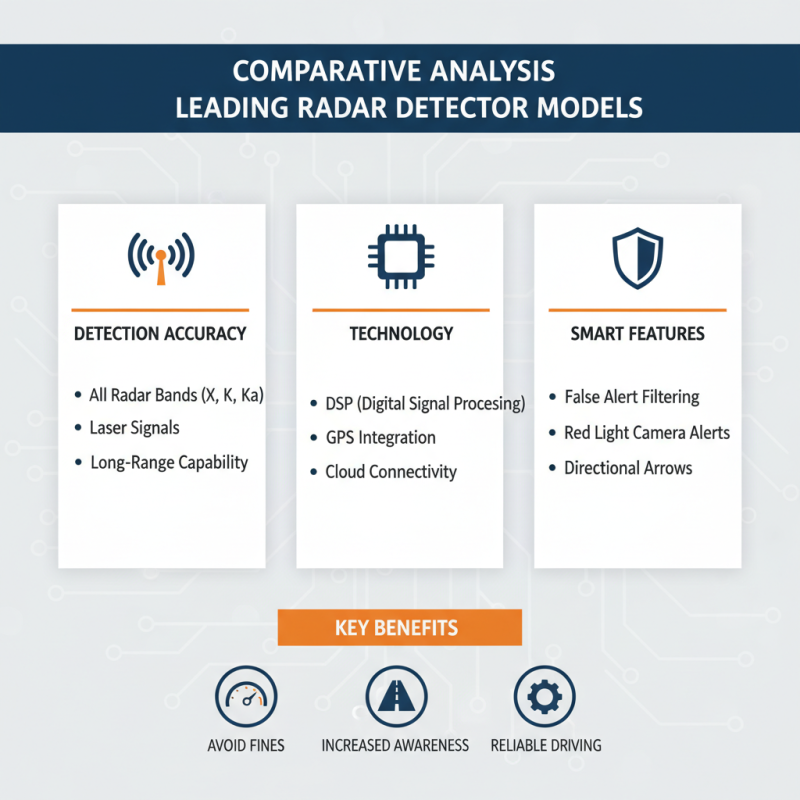
Choosing the best speed radar detector requires careful consideration. A good model should accurately detect radar signals from various law enforcement devices. Many detectors use advanced technology to spot both conventional and laser-based systems. They often feature filters to minimize false alerts from other sources, like automatic doors or traffic sensors. These details enhance the reliability of the detector, ensuring a driver remains aware of potential speed checks.
Comparing different models reveals notable variations in sensitivity and range. Some detectors excel in urban areas, while others perform better on highways. Users may find that certain models respond quicker to incoming threats, offering an edge in avoiding unexpected fines. However, this speed can sometimes lead to increased false alarms in certain environments. It’s essential to weigh these trade-offs based on your typical driving conditions.
The reliability of a radar detector is paramount for safety. A device that frequently malfunctions or misreads signals can lead to complacency behind the wheel. It's crucial to research user experiences and expert reviews to identify models with a strong track record. Overall, while excellent performance is desired, users should remain vigilant and not solely rely on technology.
Tips for Effective Use of Radar Detectors for Enhanced Safety
Radar detectors can enhance road safety significantly when used effectively. According to the National Highway Traffic Safety Administration, about 94% of traffic accidents are a result of human error. By using a radar detector, drivers can stay informed and reactive, avoiding sudden speed violations and potential accidents. However, proper understanding and use of these devices are crucial.
Drivers should familiarize themselves with their radar detector's features. For example, many detectors have different sensitivity modes. Adjusting sensitivity can reduce false alerts from automatic doors or other non-police signals. A study by the Insurance Institute for Highway Safety indicates that a well-tuned device decreases distraction and improves driving focus. Regularly updating a radar detector also optimizes performance, ensuring accurate detection of law enforcement.
Even with modern technology, users must remain vigilant. Over-reliance on radar detectors can lead to complacency. A report from the American Automobile Association highlights that drivers who depend solely on these devices tend to drive more aggressively. It’s essential to maintain a balance between awareness and technology. Tools like radar detectors are there to aid, not replace, responsible driving practices. Mistakes can happen. Reflection on driving habits is key to utilizing this technology effectively.
Best Speed Radar Detector Performance Comparison