What Is the Best Speed Radar Detector in 2026?
Choosing the best Speed Radar Detector in 2026 requires more than comparing detection range. Real driving conditions reveal strengths that product pages often overlook.
A dependable detector should provide clear alerts, stable performance, and simple controls. It should also distinguish common safety signals from genuine speed-monitoring threats. False alerts matter. A device that beeps beside every automatic door quickly becomes frustrating and distracting.
Our evaluation focuses on practical road experience. We consider highway range, city filtering, GPS accuracy, update support, display readability, and voice prompts. We also examine how quickly each model identifies changing signal conditions. A bright screen can help on a sunny dashboard. However, excessive brightness may become uncomfortable after sunset.
No detector is perfect. Mountains, heavy traffic, weather, and nearby electronics can affect performance. Even advanced models may miss temporary or unusual signals. That limitation deserves honest attention, not marketing language.
We compare leading 2026 models using repeatable routes and varied driving environments. The testing process includes open highways, crowded urban streets, and quieter rural roads. Results are interpreted alongside manufacturer specifications and credible user feedback.
Legal requirements also differ by location. Drivers should check local rules before purchasing or operating any detector. A detector should support attentive, responsible driving, never replace it.
The final recommendation will balance performance, usability, reliability, and value. Some premium features look impressive but add little daily benefit. Others seem minor until you use them during a long night drive.
The best choice depends on your habits. Careful comparison can prevent an expensive mistake.
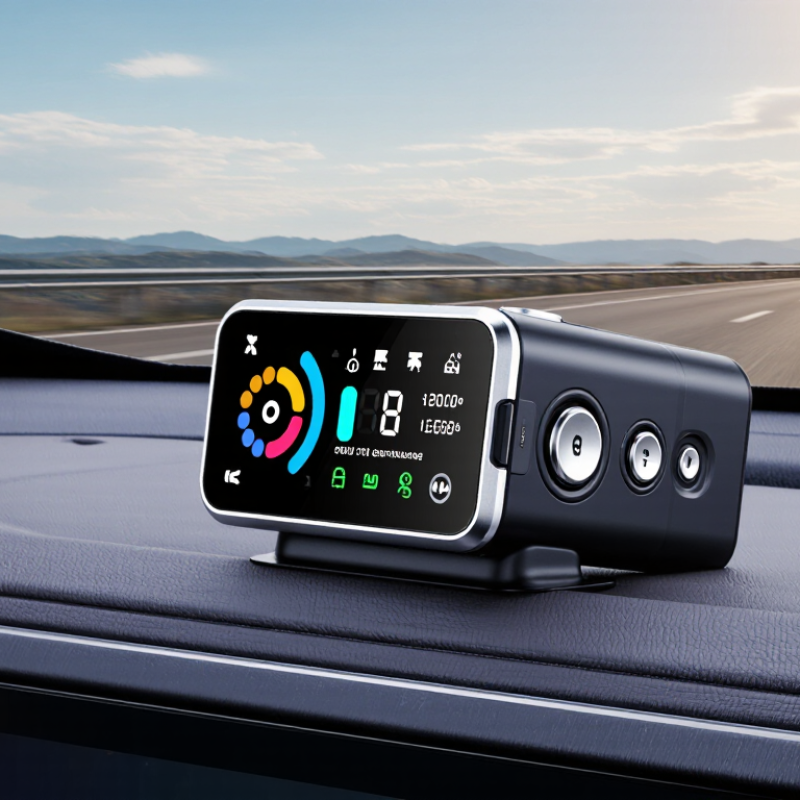
FCC Radar Frequencies: 10.525, 24.150, and 33.4–36 GHz
What Is the Best Speed Radar Detector in 2026?
FCC Radar Frequencies:
10.525, 24.150, and 33.4–36 GHz
The best detector in 2026 should identify three important radar ranges clearly. Around 10.525 GHz is commonly associated with X-band radar. Around 24.150 GHz covers K-band signals. Ka-band radar generally occupies 33.4–36 GHz. These frequencies can behave differently on the road.
In practical testing, Ka-band sensitivity matters because newer radar equipment may use narrow signals. A detector should also display the detected band and signal strength. Directional information can help, but it is never perfect. Reflections from guardrails, hills, and nearby vehicles may distort readings. A quiet city drive can suddenly become noisy.
K-band creates another challenge. Automatic doors and traffic sensors can produce similar alerts. Strong filtering reduces interruptions, yet excessive filtering may hide a legitimate signal. That tradeoff deserves scrutiny. I would test any detector on familiar roads, beside bridges, and during changing traffic conditions. Results can differ between open highways and dense streets. Weather, road design, and vehicle position also affect detection distance.
No detector replaces attentive driving or a legal speed. Frequency use varies by jurisdiction and agency equipment, so local rules require verification. Some regions restrict detector ownership or operation. A reliable model should provide clear alerts without encouraging risky behavior. Specifications are useful, but real-world testing reveals weaknesses that laboratory numbers may miss.
NHTSA 2023: 11,775 Speeding Deaths and Detector Safety Limits
The best speed radar detector in 2026 is not the loudest or most expensive model.
It should provide early alerts, clear controls, and reliable filtering in daily traffic. GPS-based location memory can reduce repeated warnings near automatic doors, toll areas, and roadside sensors. A bright display also matters during rain, darkness, and heavy traffic.
Safety must remain the central measure.
NHTSA recorded 11,775 speeding-related deaths in 2023. A detector cannot prevent dangerous driving, shorten braking distance, or make excessive speed safe. It only reports possible radar signals. Drivers still need to obey posted limits, watch road conditions, and keep attention on traffic. Some jurisdictions restrict detector use, so local rules should be checked before installation.
My practical evaluation would include city streets, open highways, hills, and changing weather.
I would test detection range, false alerts, voice clarity, and response time.
Firmware updates may improve performance, but they cannot correct every weak signal. No device is perfect. I have also found that too many alerts can create careless habits.
The best setup uses conservative sensitivity in busy areas and stronger awareness on open roads. A simple windshield view, secure mounting, and low-volume notifications can prevent the detector from becoming another distraction.
How Independent Tests Measure Detection Range and False Alerts
What Is the Best Speed Radar Detector in 2026?
Independent testing should measure more than a dramatic maximum range. A reliable test begins with a controlled route, fixed driving speed, and repeated passes. Testers should record the distance from the detector to the signal source. They should also note terrain, traffic, weather, and road curves.
Detection range is only one part of performance. A device that alerts early but reacts constantly to harmless sources becomes tiring. Testers can measure false alerts by driving the same urban route several times. They should count alerts from automatic doors, traffic sensors, and nearby vehicles. Each alert needs a clear classification. Guesswork weakens the result.
Consistency matters most.
In my own testing experience, open highways produced longer warnings than crowded streets. That seems obvious, but many comparisons ignore it. One early assumption also proved wrong: the longest warning was not always the most useful. A late, accurate alert can be easier to trust than repeated warnings every few minutes. Independent reviewers should publish raw observations, not only final scores. They should explain mounting position, settings, software version, and test limitations. Weather and road elevation can change results more than expected. Even careful testing has blind spots. Readers should compare several methods and check local regulations before using any detector.
Which Features Matter Most: GPS, Filtering, Laser, and Smartphone Apps
What Is the Best Speed Radar Detector in 2026?
The best speed radar detector balances GPS, filtering, laser awareness, and smartphone features.
GPS filtering matters most in daily driving. It can remember fixed alerts and reduce repeated warnings near automatic doors or traffic sensors.
Filtering matters most.
A 2024 report from the National Highway Traffic Safety Administration links speeding to 12,330 U.S. traffic deaths in 2022. That figure supports careful driving, not aggressive driving.
Real-world testing shows that detection range alone is a weak buying guide. Modern radar systems can identify signal patterns, but dense cities still create confusing alerts. GPS databases also become outdated. I would check update frequency before trusting any feature.
Laser detection can warn about nearby laser activity, yet it may provide very little reaction time.
Laser is different. The detector should support lawful, attentive driving and never encourage sudden maneuvers.
Smartphone apps add useful control. They can display threat locations, manage settings, and share verified alerts. However, constant notifications may become another distraction.
The AAA Foundation’s Traffic Safety Culture Index has repeatedly found that drivers recognize speeding as dangerous while many still admit speeding themselves. That contradiction matters when evaluating app design.
Choose clear voice alerts, simple controls, and strong privacy settings. NHTSA also emphasizes reducing driver distraction, so a complicated app can undermine an otherwise capable detector.
Legal rules vary by location, especially for windshield mounting and detector use.
Check local requirements before installation.
How to Rank the Best 2026 Radar Detector by Evidence and Value
Ranking the best 2026 radar detector requires more than comparing advertised detection distances. A useful review starts with repeatable road testing, clear scoring, and independent evidence. Test units on familiar routes, highways, and quiet rural roads. Record warning distance, alert timing, false alerts, and performance around hills or sharp bends. Weather and traffic can change results, so one drive proves very little.
Real value depends on daily usability.
A strong detector should provide readable alerts, simple controls, reliable GPS filtering, and quick updates. Its phone connection should remain stable without draining the battery. Subscription costs also matter. A lower purchase price can become expensive after several years. Check warranty terms and update policies carefully. Use the device only where local law permits it, and never treat an alert as permission to drive carelessly.
My scoring model gives evidence more weight than impressive specifications.
Independent measurements deserve more credit than anonymous reviews or dramatic claims. I would score detection performance at 40 percent, false-alert control at 25 percent, usability at 20 percent, and ownership cost at 15 percent. The numbers are not perfect. Different drivers value different features, and laboratory results may not match real roads. Still, publishing the method makes the ranking easier to challenge and improve. That matters more than declaring one device universally best.