10 Best Speed Detectors for Accurate Speed Monitoring Will You Choose One?
In today’s fast-paced world, safety on the road is paramount. A reliable Speed Detector can help you monitor your driving habits. With so many options available, selecting the right one is crucial.
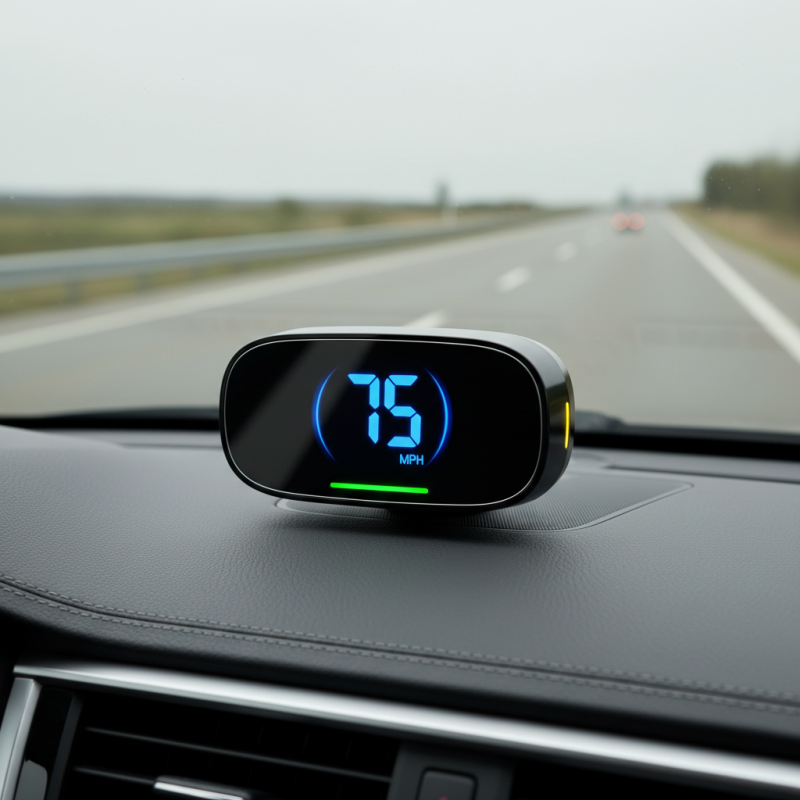
Speed Detectors are devices that alert drivers to their speed. They enhance awareness and help prevent accidents. Many families and individuals prioritize these tools for safer driving experiences. However, choosing the best Speed Detector can be overwhelming. Consider your specific needs, along with features like accuracy and ease of use.
Some options might promise more than they deliver. It’s essential to research and read reviews. Users must reflect on their driving patterns. A great Speed Detector should not only notify but also encourage responsible driving. By choosing wisely, you contribute to safer roads for everyone.
Understanding the Importance of Speed Detectors in Driving Safety
Driving safety often hinges on how well drivers monitor their speed. Speed detectors are critical tools for this purpose. Research indicates that speeding contributes to over 30% of fatal accidents on highways. With precise speed monitoring, drivers can reduce the risk of collisions. According to a study by the National Highway Traffic Safety Administration, proper speed management can lower accident rates significantly.
Incorporating speed detectors helps motorists stay within safe limits. Many modern devices provide real-time feedback, alerting drivers to excessive speeds. This capability is essential, as drivers frequently underestimate their speed. A study revealed that 55% of drivers believe they drive within the speed limit, yet many exceed it without realizing. The psychological aspect of speed perception is often flawed, highlighting the need for constant reminders and adjustments.
However, the effectiveness of these devices can vary. Some users might become overly reliant on technology. This dependence may lead to complacency in speed management. Ideal driving involves a balance between monitoring devices and personal awareness. True safety comes from understanding speed limits and keeping attentive on the road.
Key Features to Look for in Top Speed Detection Devices
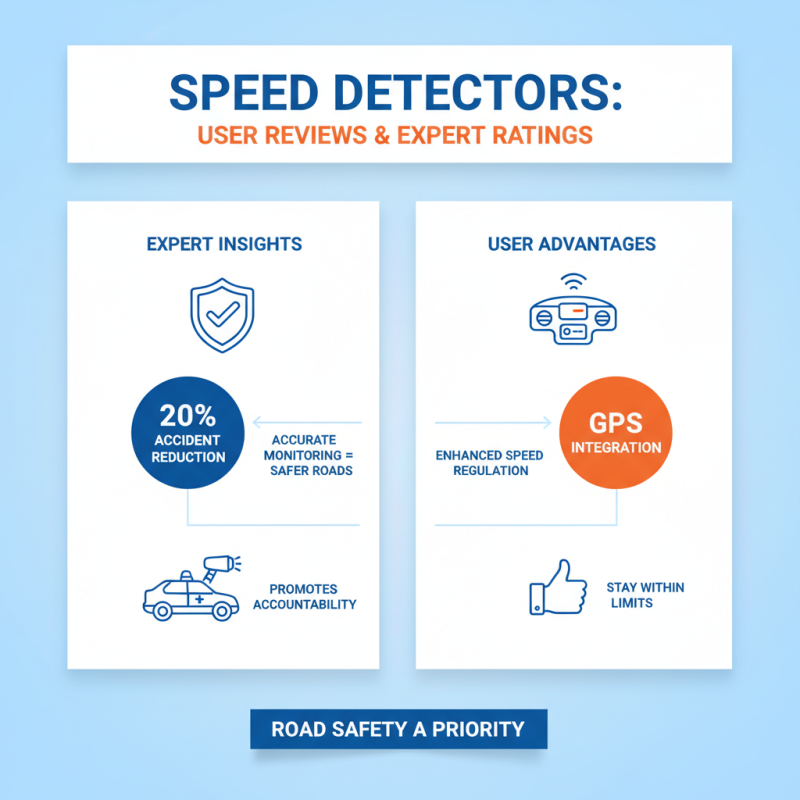
When choosing the best speed detection devices, understanding key features is essential. Modern speed detectors vary widely in functionality. Some models offer real-time alerts, while others provide detailed historical data. According to a recent industry report, nearly 70% of users prefer devices with customizable alert settings. Features such as GPS integration and automatic updates can enhance accuracy.
Look for a model with strong battery life. Devices that are constantly charging may hinder convenience. A long-lasting battery ensures it is always ready for use. Additionally, consider size and portability. Compact detectors may fit better in smaller vehicles. However, larger units often have advanced features.
Tips: Always check customer reviews for insights. Real-world experiences can reveal usability issues. Also, consider user-friendly interfaces. A complicated setup may lead to frustration. Remember, an ideal speed detector equips you with the right information but requires thoughtful operation. Your choice impacts not only your experience but also long-term performance.
Comparing the Accuracy of Leading Speed Detectors: Data Analysis
In today’s fast-paced world, speed detection technology plays a crucial role. Many devices claim to help monitor speed accurately. However, not all speed detectors perform equally well. User reviews often highlight inconsistencies. Some devices struggle to measure speed accurately in various weather conditions. It raises questions about reliability.
Comparing different models reveals varying degrees of accuracy. Some detectors display real-time speed, while others lag. Frequent adjustments are necessary for optimal results. Situational factors, like hills or bends, can impact readings significantly. Users have noted that certain models work better at night or in low light. It shows that environmental conditions affect performance.
In addition to raw accuracy, ease of use matters. Some users find complicated interfaces frustrating. This user experience can lead to errors in speed readings. It's essential to consider personal needs when choosing a speed detector. Each option has its pros and cons. Reflecting on these aspects can help buyers make informed choices.
Emerging Technologies in Speed Detection: Future Trends and Innovations
Emerging technologies are transforming speed detection in significant ways. The market for speed detection systems is projected to reach $5 billion by 2025, according to industry reports. Advanced methodologies, like AI and machine learning, are revolutionizing speed monitoring. These tools offer real-time analysis and can significantly improve accuracy. Yet, integrating these technologies brings challenges.
Recent studies indicate that 30% of speed detection systems still rely on outdated methods. This highlights a gap where innovation hasn’t fully permeated. Many systems fail to leverage the latest technologies effectively. Adoption rates lag behind expectations, leaving room for improvement. User interface design often lacks sophistication. A seamless experience is crucial for law enforcement and everyday users alike.
Integration with smart city initiatives is another trend. New speed detection devices are designed to work with city infrastructure. However, interoperability remains an obstacle. Many devices are not compatible with existing systems. This raises questions about efficiency and effectiveness. The future is promising but requires a deeper commitment to innovation and collaboration within the industry.