Best Solar Traffic Signal Light Solutions for Global Buyers?
In recent years, the demand for efficient and sustainable traffic management has surged globally. Solar Traffic Signal Lights are becoming essential in enhancing road safety. These lights operate using solar energy, reducing dependency on traditional power sources. As cities strive to meet sustainability goals, these solutions provide a benchmark for modern traffic systems.
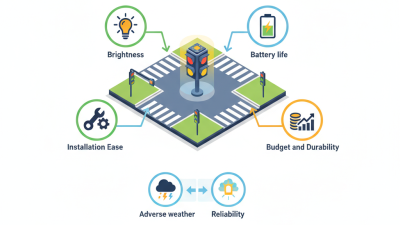
However, while solar traffic signals are a great innovation, not all products offer the same reliability. Some models may struggle with performance in low-light conditions. Buyers should consider factors like battery life, brightness, and weather resistance. Insights from industry experts can guide global buyers towards the best options available.
With the ongoing evolution of technology, the variety of solar traffic signal solutions expands each year. Yet, navigating this landscape can be challenging. Buyers need to weigh their choices carefully. The right decision can significantly impact road safety and traffic efficiency. By exploring available products, buyers can ensure their selection aligns with both needs and budget.

Overview of Solar Traffic Signal Lights and Their Importance
Solar traffic signal lights serve a crucial role in road safety and traffic management. These lights rely on solar energy, making them sustainable and cost-effective. Unlike traditional traffic lights, they do not depend on electricity from the grid. This independence means they can be installed in remote areas lacking infrastructure. Their bright LED lights ensure visibility during the day and night.
Using solar traffic signals can significantly reduce energy costs. They require regular maintenance, but the initial investment often pays off in savings. However, some users express concerns about their performance during cloudy or rainy weather. It’s essential for users to consider the local climate before installation. Additionally, while these signals are reliable, they may not replace traditional systems in high-traffic urban areas.
Proper installation and positioning are critical for effectiveness. Solar panels should face direct sunlight for maximum energy absorption. Over time, these systems can help cities transition to greener technologies. Yet, ongoing evaluation and adjustment are necessary to optimize performance. The integration of solar traffic signal lights represents a step toward sustainable urban planning.
Best Solar Traffic Signal Light Solutions for Global Buyers
Advantages of Using Solar Energy in Traffic Signal Systems
Solar energy is transforming traffic signal systems worldwide. These systems utilize solar panels to harness energy from the sun. This renewable resource is both abundant and sustainable, reducing reliance on traditional power sources. Solar traffic signals operate efficiently even in remote areas, where electricity access is limited. This feature enhances not only safety but also connectivity in underserved regions.
Using solar energy reduces operational costs. Once installed, solar traffic signals have minimal maintenance needs and no ongoing electric bills. They contribute to a smaller carbon footprint, promoting a cleaner environment. Moreover, solar signals are equipped with battery storage, allowing continuous operation day and night. However, their efficiency can vary based on geographic and weather conditions. Users must consider these factors during implementation.
The advantages are clear, yet challenges remain. Not all locations are equally sunny, which raises questions about reliability. Additionally, initial installation costs can be high. Ensuring that solar panels are maintained and cleaned is crucial for optimal performance. Reflecting on these aspects can help improve solutions for future projects.
Key Features to Consider When Selecting Solar Traffic Signal Lights
When selecting solar traffic signal lights, several key features are essential for global buyers. One critical aspect is the solar efficiency. Reports indicate that the average solar panel efficiency ranges between 15% to 22%. Higher efficiency means better performance in low sunlight conditions. If a solar signal light has a lower efficiency rating, it may struggle during overcast days or winter months.
Battery quality is equally vital. Look for lights with lithium-ion batteries over lead-acid types. Lithium batteries typically have a longer lifecycle and can withstand more charge cycles. A quality battery can endure up to 2,000 cycles, providing reliable illumination for years. The United Nations predicts that better battery technology can enhance the sustainability of solar systems globally by 30%.
Durability features should not be overlooked. Materials used in manufacturing solar traffic signal lights need to withstand environmental stressors. Consider weather-resistant enclosures and UV-protected lenses. Many products on the market fail when exposed to extreme weather, leading to costly repairs. Industry data shows that durability can significantly impact user satisfaction and long-term performance. Additionally, the integration of smart technology is becoming popular. Features like remote monitoring can provide real-time performance data, enabling timely maintenance and enhancing reliability.
Best Solar Traffic Signal Light Solutions for Global Buyers
| Feature |
Importance |
Details |
| Energy Efficiency |
High |
Utilizes solar panels for sustainable energy and reduced operational costs. |
| Battery Life |
Critical |
Long-lasting batteries ensure operation during low sunlight conditions. |
| Visibility |
Essential |
High-intensity LED lights for maximum visibility in all weather conditions. |
| Durability |
Important |
Weather-resistant materials to withstand harsh environmental conditions. |
| Installation |
Moderate |
User-friendly installation processes that require minimal tools. |
| Regulatory Compliance |
Essential |
Meets local and international safety and performance standards. |
Top Brands and Manufacturers of Solar Traffic Signal Lights
In recent years, solar traffic signal lights have gained popularity worldwide. Their energy efficiency and sustainability make them an attractive option. Many countries are adopting these systems for urban development. These lights help improve traffic management and increase safety at intersections. They illuminate roads using solar power, which is a renewable energy source.
When considering solar traffic signal lights, buyers focus on several key attributes. Durability is essential. These lights must withstand harsh weather conditions. Visibility is also crucial. Brightness levels should cater to both day and night visibility. Another important factor is the installation process. A simpler setup can reduce overall costs and installation time, making it more appealing for municipalities.
Some manufacturers may provide innovative features, but product quality varies significantly. It is vital to research and compare options thoroughly. Users should consider warranty terms and customer support. Reviews from previous buyers can provide insights into reliability and performance. This information can be invaluable in decision-making. Not all products meet industry standards, and it is crucial to remain cautious.
Global Market Trends and Future Prospects for Solar Traffic Signals
The global market for solar traffic signals has been gaining momentum. According to a recent report by MarketsandMarkets, the solar traffic signal market is projected to grow from USD 123.4 million in 2020 to USD 250 million by 2025. This indicates a compound annual growth rate (CAGR) of over 15%. Rising demand for sustainable solutions and government initiatives to reduce emissions are key drivers of this growth.
In terms of application, urban areas are increasingly adopting solar traffic signals. They are more efficient and provide reliable performance in remote locations. Moreover, these signals require minimal maintenance due to their long-lasting LED technology. However, challenges still exist. Some regions lack infrastructure to support the installation of solar traffic solutions. In addition, fluctuating solar energy availability may impact effectiveness during certain seasons.
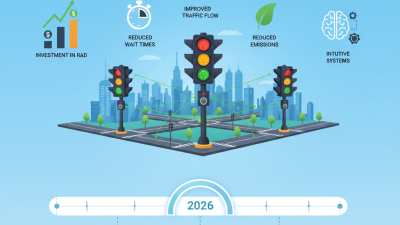
Future prospects seem promising. The ongoing advancements in solar technology will likely enhance efficiency and reduce costs. Experts suggest that hybrid systems combining solar and wind energy may emerge. This could address reliability concerns and extend usage across various climates. Nonetheless, stakeholders must consider local regulations and geographic feasibility when planning implementations.