Top Benefits of Solar Traffic Signal Lights for Smart Cities?
In the age of smart cities, the integration of technology into urban planning is crucial. One innovation gaining traction is the Solar Traffic Signal Light. These lights harness the sun's energy, offering a sustainable alternative to traditional traffic signals. They can drastically reduce electricity costs and carbon footprints. Moreover, solar traffic lights are often easier to install. Their independence from power grids makes them ideal for remote areas.
However, while the benefits are significant, there are challenges. Maintenance can be more complex in certain climates. Dust and debris may obstruct solar panels, diminishing efficiency. Cities must prioritize regular check-ups to ensure optimal performance. The effectiveness of Solar Traffic Signal Lights also depends on adequate sunlight. During long, cloudy winters, their performance could drop. This might lead to traffic disruptions and safety concerns.
The transition to Solar Traffic Signal Lights represents progress. Yet, cities must reflect on these potential pitfalls. Adopting new technology requires careful planning and execution. Providing safe and efficient traffic solutions is essential for smart urban development.

Advantages of Solar Traffic Signal Lights in Urban Environments
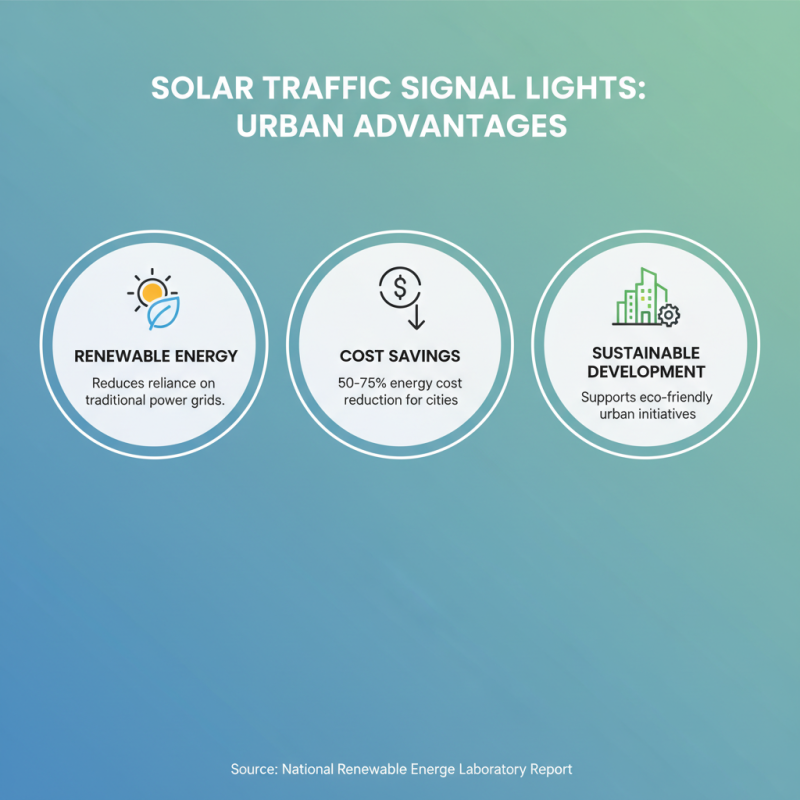
Solar traffic signal lights offer multiple advantages in urban environments. These lights utilize renewable energy, reducing reliance on traditional power sources. A report from the National Renewable Energy Laboratory states that solar traffic signals can decrease energy costs by 50-75%. This significant saving is vital for cities focusing on sustainable development.
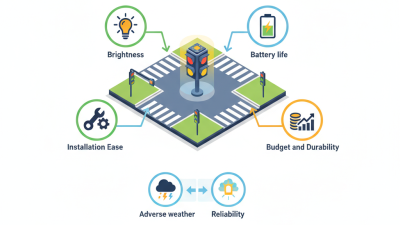
Visibility is another crucial factor. Solar signal lights often incorporate LED technology, which enhances brightness. Increased luminosity improves driver and pedestrian safety, especially in low-light scenarios. A study indicated that LED-equipped signals reduce accidents at intersections by up to 40%. However, installation costs can be initially high, creating financial hurdles for some municipalities.
Maintenance is something that requires attention. Solar lights are designed for longevity, with many lasting over a decade. Despite this, the performance can degrade due to environmental factors. Dust accumulation or snow cover can lessen their effectiveness. Cities must devise plans to maintain and clean these systems regularly. Failure to do so may lead to unexpected outages or malfunctioning signals. Balancing cost, maintenance, and efficiency remains a challenge for urban planners.
Enhancing Traffic Management Efficiency with Solar Solutions
Solar traffic signal lights are increasingly becoming vital for smart cities. They offer a sustainable solution that enhances traffic management efficiency. By utilizing solar energy, these lights operate independently, reducing reliance on traditional power sources. This not only leads to cost savings but also helps minimize carbon footprints.
With solar traffic signals, cities can achieve better traffic flow. They adapt to various environmental conditions and light up in remote areas with no electricity access. The maintenance of these systems is often simpler compared to conventional signals, allowing for quicker repairs and less downtime. However, some cities may face challenges in integrating these systems into existing traffic frameworks.
While the benefits are clear, not all solutions fit every location. Certain areas may struggle with sunlight exposure, impacting the lights' effectiveness. Continuous evaluation and adjustment of these systems are crucial. Innovations in battery technology and energy storage must be pursued to ensure optimal performance. Recognizing these challenges can lead to more resilient traffic management solutions in the long run.
Environmental Impact Reduction through Solar Signal Technology
Solar traffic signal lights are a game changer for smart cities. They utilize sunlight, reducing reliance on traditional energy sources. This shift cuts down on greenhouse gas emissions. Solar technology is clean and renewable. Implementing these systems can greatly lower carbon footprints.
Moreover, solar signal lights are easy to install and maintain. They often require less infrastructure than conventional signals, leading to faster deployment. However, their effectiveness can be hindered in areas with frequent inclement weather. This raises questions about reliability in diverse climates.
Another concern is the initial cost. While they save money over time, budgets can be tight for many municipalities. Some may hesitate to invest upfront. As cities grow and evolve, weighing these benefits against potential drawbacks becomes crucial. The focus must remain on balancing cost, efficiency, and sustainability.
Cost Savings and Maintenance Benefits of Solar Traffic Lights
Solar traffic signal lights present a smart solution for urban environments. These systems utilize solar panels to harness renewable energy. By reducing electricity dependence, cities can save significantly on power bills. Installation costs may be higher initially, yet long-term savings are evident.
Maintenance of solar traffic lights is another essential aspect. Unlike traditional systems, solar lights require minimal upkeep. The technology is designed to withstand various weather conditions. However, occasional cleaning of panels is necessary to ensure maximum efficiency. Some cities may overlook this, leading to diminished performance.
Despite their advantages, solar traffic lights aren't perfect. The effectiveness can be hindered in regions with less sunlight. Battery storage must be reliable for nighttime operation. Cities must carefully evaluate these factors before full implementation. Finding a balance between costs and performance can be challenging yet crucial for success in urban planning.
Integration of Solar Traffic Signals in Smart City Frameworks
Solar traffic signal lights are transforming smart cities by enhancing efficiency and sustainability. These lights harness solar energy, reducing dependence on traditional power sources. They contribute to a greener environment by cutting carbon emissions. With the integration of solar signals, cities can manage traffic more effectively while promoting renewable energy initiatives.
Incorporating solar traffic signals requires careful planning. Urban planners should assess sunlight exposure and choose optimal locations. Some areas may not receive consistent sunlight. Identifying these spots ensures better functionality. Communication with local communities is crucial. Their input can highlight potential concerns and needs.
Tips: Consider how these lights fit into the existing infrastructure. Regular maintenance is key for longevity. Ensure your team is equipped with proper training. Engage with technology experts to keep systems updated. Balancing innovation with practicality is vital for successful integration.
Top Benefits of Solar Traffic Signal Lights for Smart Cities
This chart illustrates the key benefits of integrating solar traffic signal lights into smart city frameworks. The benefits include significant energy savings, reduced carbon emissions, substantial yearly savings on maintenance costs, and quicker installation times compared to traditional traffic signals.