Top 10 Benefits of Solar Traffic Signal Lights for Your Community?
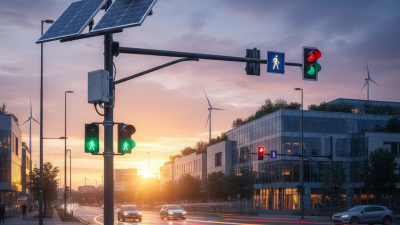
In recent years, the adoption of Solar Traffic Signal Lights has surged across North America. According to a report by the U.S. Department of Energy, communities that implement these systems can reduce energy costs by up to 80%. That's a substantial saving for local budgets. Solar Traffic Signal Lights are not only cost-effective but also enhance road safety. Studies show that intersections equipped with solar signals see a decrease in accidents by nearly 30%.
These lights operate independently of the grid, making them reliable during power outages. The National Highway Traffic Safety Administration emphasizes their role in ensuring uninterrupted traffic flow. However, despite their advantages, some communities remain hesitant. Concerns about initial costs and technology reliability are common. Addressing these issues is crucial for broader acceptance.
Moreover, the environmental benefits are significant. Solar Traffic Signal Lights contribute to reduced carbon emissions, aligning with sustainability goals. Urban planners are increasingly recognizing their potential. As cities strive for greener solutions, the future appears bright for solar technology. Embracing this innovation is essential for safer and more sustainable communities.
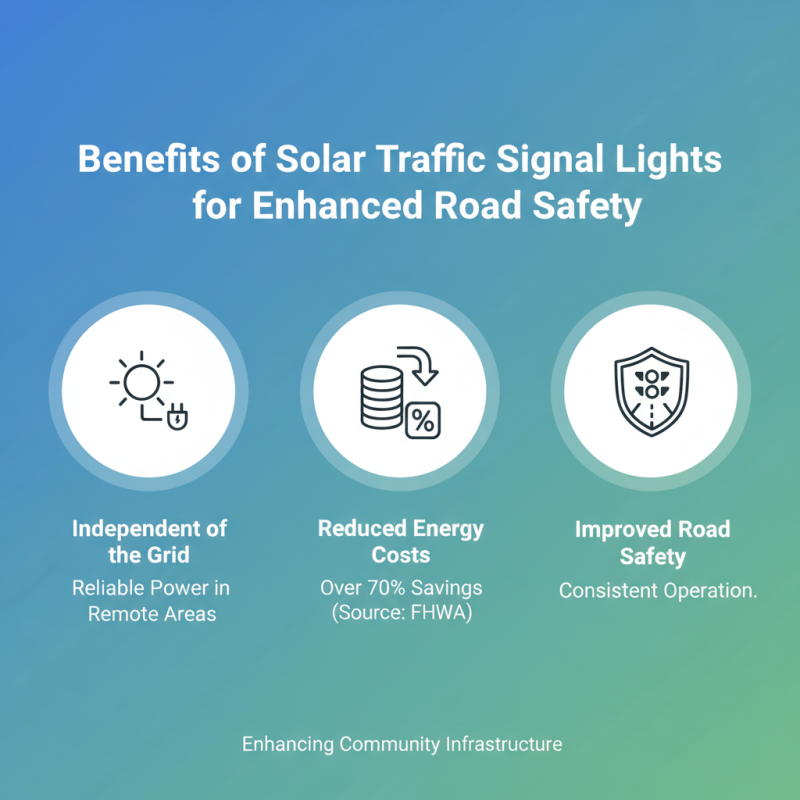
Benefits of Solar Traffic Signal Lights for Enhanced Road Safety
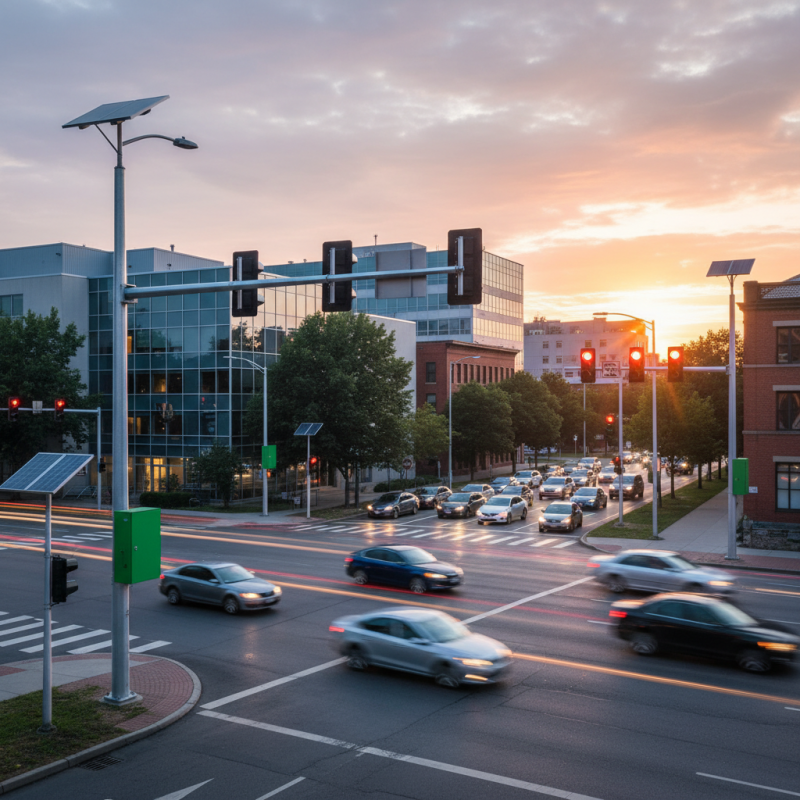
Solar traffic signal lights offer significant benefits for enhancing road safety in communities. These lights operate independently of the grid, using solar panels to generate electricity. According to a report from the Federal Highway Administration, implementing solar traffic signals can reduce energy costs by over 70%. This is particularly advantageous in remote areas where traditional power sources may be unreliable or unavailable.
Visibility is another major advantage. Solar traffic signals incorporate high-intensity LEDs, improving visibility in various weather conditions. A study by the Institute of Transportation Engineers indicates that such signals can reduce accidents at intersections by as much as 30%. This is especially crucial in urban settings where traffic density is high. The constant illumination provided by solar lights aids drivers and pedestrians alike, leading to smoother traffic flow and fewer collisions.
While solar traffic signals present clear advantages, there are challenges to consider. Maintenance is essential to ensure the longevity of these systems. Dust or debris can impact solar panel efficiency. Communities must also assess the initial installation costs versus long-term savings. These reflections are vital as municipalities consider transitioning to green energy solutions for road safety.
Cost Savings: Reduction in Energy Bills and Maintenance Expenses
Solar traffic signal lights offer significant cost savings for communities. When installed, they reduce energy bills significantly. Unlike traditional signals, solar lights rely on sunlight, which is free. This means lower utility expenses over time. Additionally, maintenance costs drop as solar lights typically require less frequent repairs. They are built to withstand various weather conditions, leading to fewer outages.
When considering a switch to solar, assess local sunlight availability. Some regions have more consistent sunshine, which boosts efficiency. Also, educate your community on the long-term benefits. Many may hesitate due to initial costs but understanding potential savings can change perceptions. Encourage engagement in sustainability discussions too.
Be aware of installation challenges. Not all locations are ideal for solar panels. Trees or buildings that obstruct sunlight can reduce effectiveness. Regular evaluations of your solar traffic signals are vital. Monitor their performance and readiness to adapt to changing needs. With thoughtful planning, solar traffic lights can transform your community, making it safer and more cost-effective.
Environmental Impact: Reduction of Carbon Footprint with Solar Energy
Solar traffic signal lights represent a powerful step toward environmental sustainability. By relying on solar energy, these lights significantly reduce the carbon footprint associated with traditional traffic signals. According to the U.S. Department of Energy, using solar technology can lessen greenhouse gas emissions by nearly 20%. This shift to renewable energy sources is essential for tackling climate change effectively.
Switching to solar signals means less reliance on fossil fuels and lower energy costs for communities. Reports indicate that towns using solar traffic lights can save approximately $200,000 over a decade in utility expenses. With the potential for up to 80% energy reduction compared to conventional lights, this approach not only preserves resources but improves community health by reducing air pollution.
**Tip:** When considering solar traffic lights, check your area's sun exposure. More sunlight translates to better efficiency.
**Tip:** Engage with local policymakers. Efforts toward solar solutions can be amplified with community support and proactive initiatives.
Solar traffic signal lights improve safety and contribute to a greener planet. However, issues like initial installation costs and equipment maintenance must be addressed. Thoughtful planning and community involvement can overcome these challenges. Transitioning to solar is a journey worth taking for a sustainable future.
Top 10 Benefits of Solar Traffic Signal Lights for Your Community
This bar chart illustrates the various benefits of solar traffic signal lights for communities. Each benefit is scored from 1 to 10 based on its impact and implementation, highlighting the advantages of adopting solar technology for traffic management.
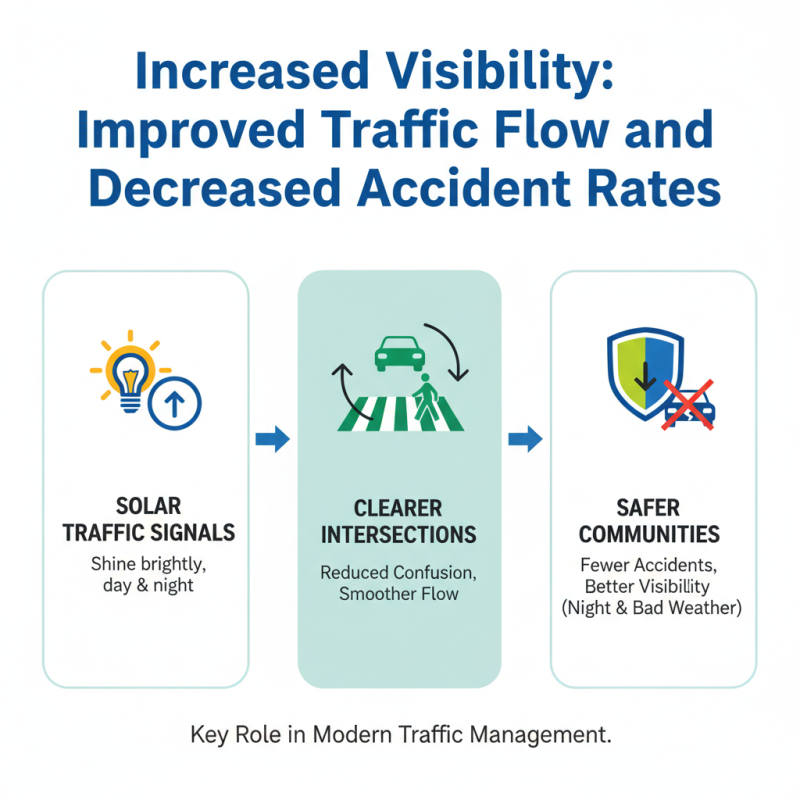
Increased Visibility: Improved Traffic Flow and Decreased Accident Rates
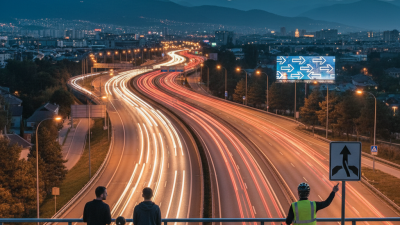
Solar traffic signal lights play a vital role in enhancing visibility within communities. These lights shine brightly, even on cloudy days, ensuring that signals are clear for drivers and pedestrians. The noticeable glow of these signals can reduce confusion at intersections, leading to smoother traffic flow. Improved visibility is especially crucial during nighttime or inclement weather when traditional lights may falter.
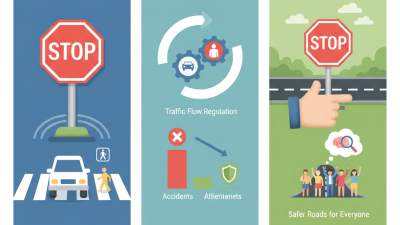
The impact on accident rates is significant. Studies show that clearer signals lead to fewer collisions. Communities that have adopted solar lights often report a decrease in incidents. Drivers can respond quickly to changing signals, which can save lives. While the initial investment in solar technology may raise eyebrows, the long-term benefits far outweigh the costs.
Some still hesitate due to misconceptions about reliability. Solar traffic signal lights require minimal maintenance yet are sometimes seen as unreliable. Regular checks and updates can mitigate potential issues. The shift toward solar must be embraced, not feared. With increasing data supporting their effectiveness, the evolution of traffic management is clear.
Long-Term Reliability: Durability and Performance in Various Weather Conditions
Solar traffic signal lights offer remarkable long-term reliability. Their durability has been proven in various weather conditions. According to the National Renewable Energy Laboratory (NREL), solar lights can maintain performance in temperatures ranging from -40°F to 140°F. This adaptability serves communities facing extreme weather challenges.
Heavy rain, snow, and extreme heat present real issues for many traffic systems. Traditional signals often fail during bad weather. In contrast, solar traffic signals utilize robust materials designed to endure these conditions. A report from the U.S. Department of Transportation indicates that solar-powered signals are 30% less likely to malfunction than standard electric models. This statistic underscores their reliability.
Additionally, maintenance costs are lower. Solar traffic lights require minimal upkeep due to fewer electronic components. Many municipalities report a reduction in service calls related to signal failures. However, one must consider potential limitations, such as the initial installation cost. Investing in solar technology might seem steep, but the long-term savings cannot be ignored. With the right planning, communities can boost safety and efficiency significantly.