What are the Benefits of Radar Speed Signs in 2026?
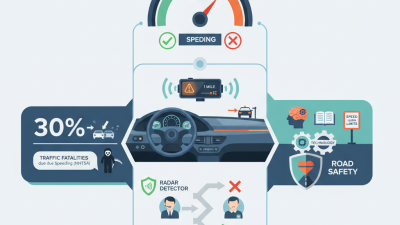
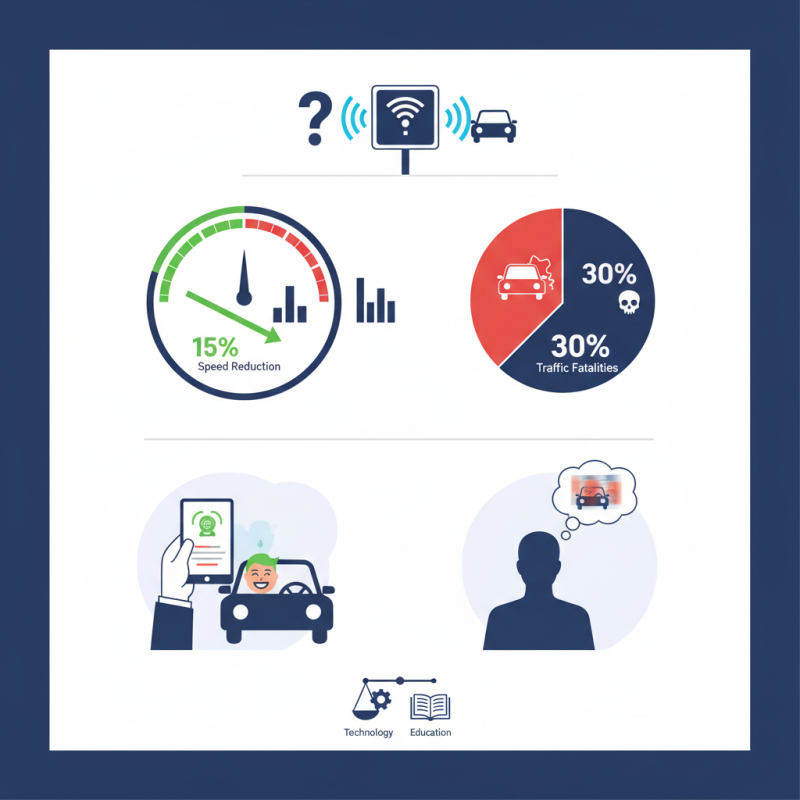
In 2026, Radar Speed Signs are pivotal in enhancing road safety. The National Highway Traffic Safety Administration (NHTSA) reported that speeding accounts for nearly 30% of all traffic fatalities. Innovative technology has transformed these signs into effective tools for reducing speed in high-risk areas.
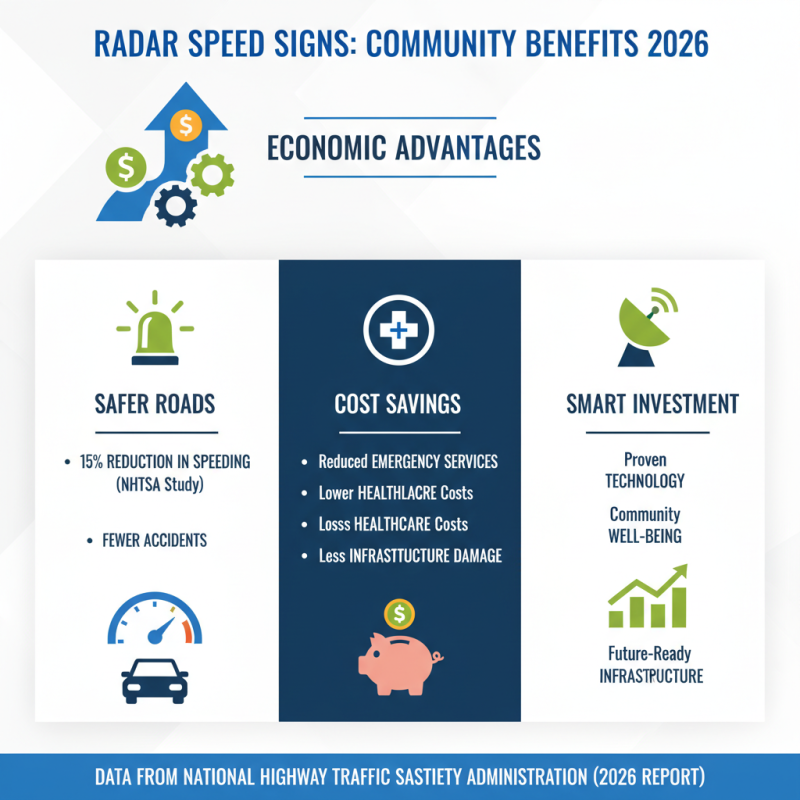
Recent studies published in traffic safety journals show that areas equipped with Radar Speed Signs have seen up to a 15% reduction in average speeds. This data is promising but warrants further scrutiny. Are we relying too heavily on technology, overlooking basic human factors?
Radar Speed Signs offer real-time feedback to drivers. This immediate response encourages compliance with speed limits. However, some drivers may become desensitized over time. There’s an intricate balance between technology and human behavior that needs addressing. Safety improvements are essential, but continuous education remains crucial to maximize the impact of these signs.
Benefits of Radar Speed Signs for Traffic Control and Safety
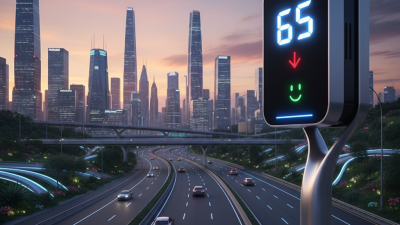
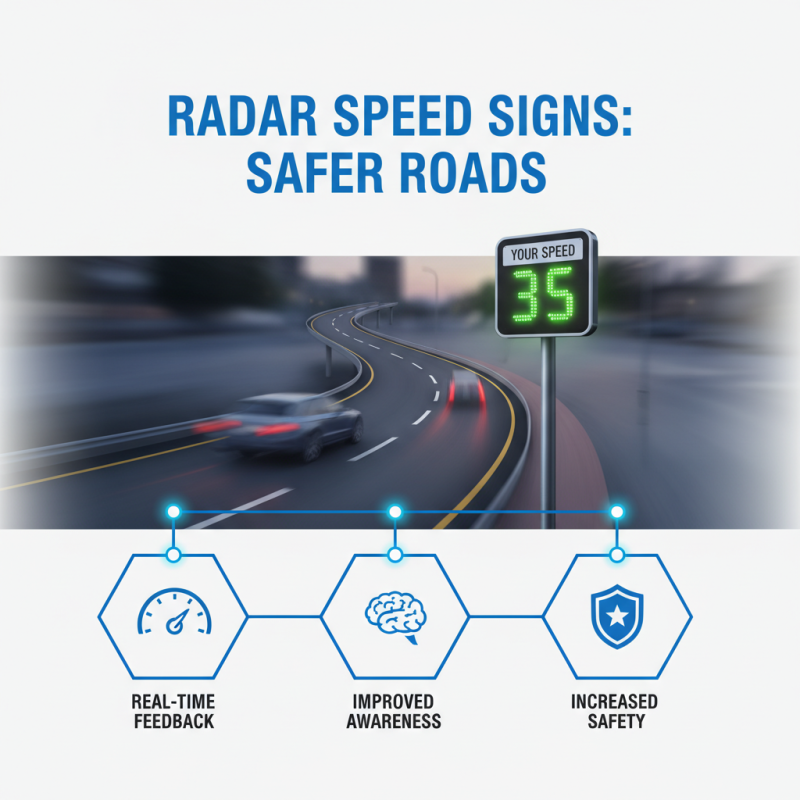
Radar speed signs have become essential tools for traffic control and safety in 2026. These signs display real-time vehicle speeds, alerting drivers to their speed limits. This immediate feedback can reduce speeding in high-risk areas. When drivers see their speed, there’s a moment of reflection. They may slow down to comply with regulations, improving overall safety.
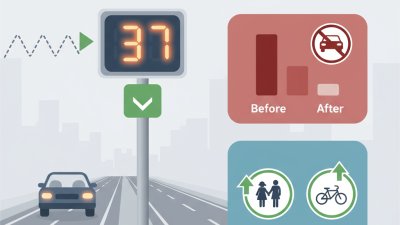
Moreover, radar speed signs can enhance awareness of pedestrian zones. Communities report fewer accidents in areas with these signs. They serve as a signal that draws attention, especially in school zones or near parks. However, some drivers may ignore the signs, leading to ongoing challenges in enforcement. The presence of these devices can still spark conversations about road safety.
In addition, the effectiveness of radar signs can vary. Their visibility may be reduced by weather or placement. Some motorists might feel immune to the warnings, considering them mere suggestions. Enhancing education about safe driving practices can complement these signs. Engaging the community in discussions is crucial for maximizing their benefits.
Enhanced Driver Awareness through Radar Speed Feedback
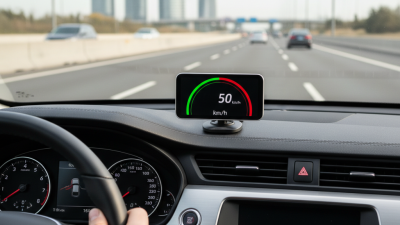
Radar speed signs are becoming common in many areas. These signs provide real-time feedback to drivers. They display the current speed, helping people realize their pace. This immediate feedback can lead to better driving habits. When drivers see their speed, they often adjust their behavior. A reduced speed increases safety for everyone on the road.
In 2026, technology has evolved, making these signs even more effective. They can now collect data on traffic patterns. Local authorities can analyze this information to improve road safety. However, some drivers may feel distracted by the signs. They might not focus fully on the road. This raises questions about the balance between awareness and distraction.
Communities must consider all perspectives. While increased awareness improves safety, potential distractions need addressing. Educating drivers on the proper way to respond is critical. Signs should support safe driving, not overwhelm. Building a better driving environment requires continuous reflection and adjustments. The goal remains clear: safer roads for all.
Impact on Speed Reduction and Compliance with Speed Limits
Radar speed signs have gained traction in recent years, particularly in their ability to impact speed reduction. According to a 2023 study by the National Highway Traffic Safety Administration, these signs can reduce vehicle speeds by an average of 10-15%. This reduction directly correlates with lower accident rates in monitored areas. In neighborhood streets or school zones, slower speeds enhance safety for pedestrians and cyclists, a crucial consideration in urban planning.
Compliance with speed limits sees noticeable improvements as well. Research from the Institute of Transportation Engineers highlights that radar speed signs increase compliance rates by nearly 20-30%. Driver awareness is heightened when they see their speed displayed. This immediate feedback often causes drivers to adjust their behavior, contributing to a safer driving environment. However, recognition can vary; some drivers may ignore these signs altogether. Continuous monitoring and community engagement are essential to address this inconsistency.
The introduction of radar speed signs is promising, but they are not a cure-all. Their effectiveness can wane if drivers grow accustomed to seeing them. Regular updates and community reminders can help maintain their impact. The challenge lies in ensuring these signs are part of broader traffic safety initiatives, integrating education and enforcement for lasting compliance with speed limits.
Benefits of Radar Speed Signs in 2026
This chart illustrates the impact of radar speed signs on speed reduction and compliance with speed limits over the years. The data represents the percentage of speed reduction and compliance rates seen in different regions after the implementation of radar speed signs.
Integration with Smart City Technologies for Improved Traffic Management
Radar speed signs are becoming vital in smart cities. They enhance traffic management by integrating real-time data collection with modern technology. These signs display vehicle speeds, promoting safer driving behaviors. The immediate feedback to drivers encourages them to adhere to speed limits more rigorously.
Smart city technologies enable these radar signs to communicate with other devices. For instance, they can send alerts to traffic management centers when speeds exceed limits. This information aids local authorities in identifying problematic zones. The combo of radar signs and smart tech fosters more efficient road usage.
Tips: Always pay attention to speed signs. Speeding can lead to accidents. Also, consider the impact of your driving on the community. A slight reduction in speed can save lives. Reflect on how technology helps enhance safety on the roads.