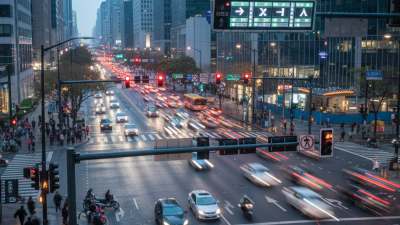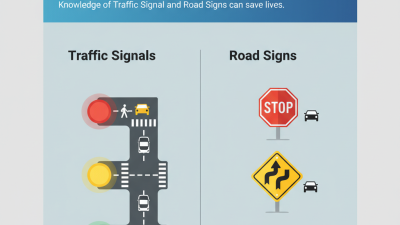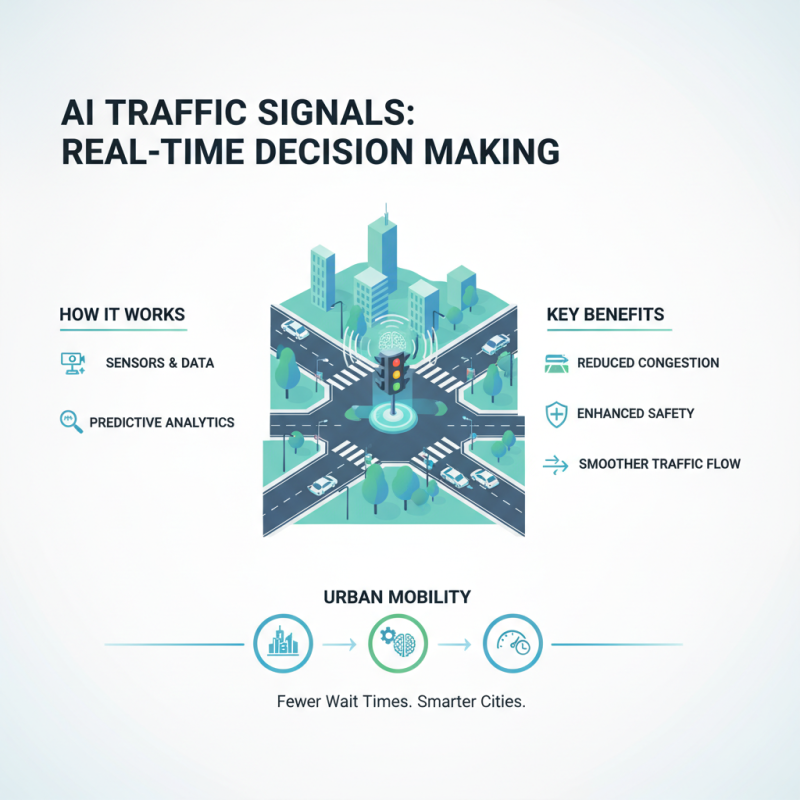
Innovations in traffic signal systems promise to reshape urban landscapes. As cities grow, the demands on infrastructure increase. Traffic signals play a critical role in managing flow and ensuring safety. Advanced technologies can enhance these capabilities significantly.
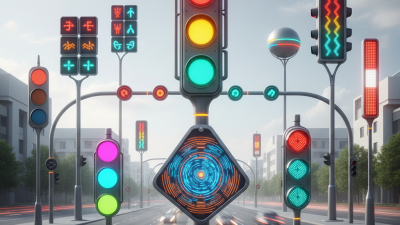
In 2026, we anticipate groundbreaking developments in traffic signal designs. Smart traffic signals could adapt in real-time, responding to changing traffic patterns. Such systems could reduce congestion and improve pedestrian safety. Cities worldwide are experimenting with AI-driven signals. These innovations offer a glimpse into the future of smart urban living.
However, challenges remain. Not all cities have the resources for such upgrades. Some might struggle with the integration of new technologies. Reflecting on these issues is essential. Exploring the balance between innovation and accessibility will help shape safer roadways for all.
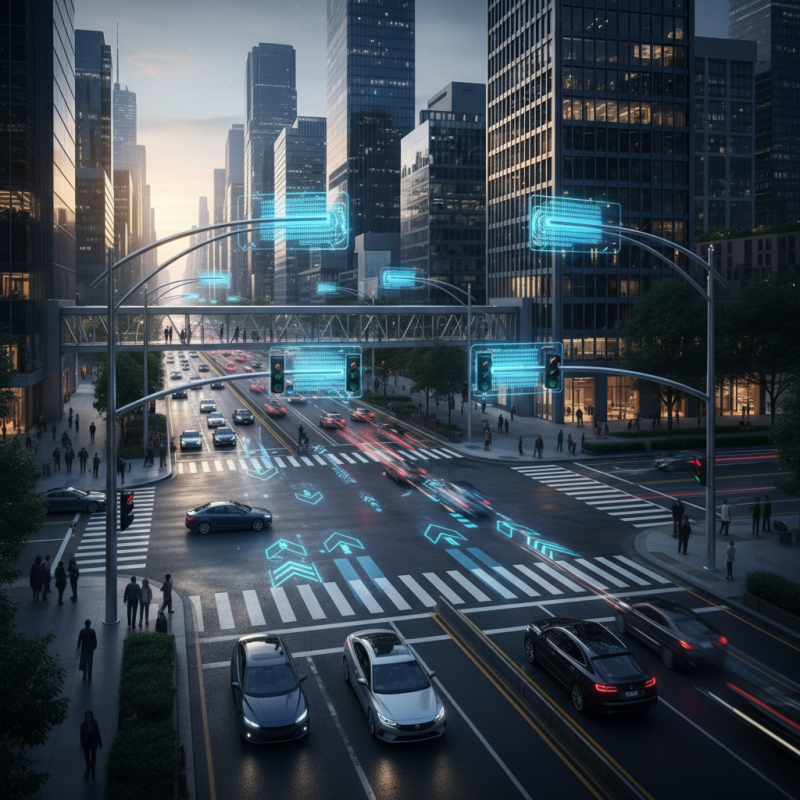
The landscape of urban mobility is poised for transformation in 2026, driven by innovative traffic signal technologies. With rapid urbanization, cities are facing increased congestion. According to a recent report from the Urban Mobility Report, traffic delays in major cities cause economic losses exceeding $166 billion annually. Advanced traffic signals can significantly reduce these delays. Technologies like adaptive signal control and vehicle-to-infrastructure (V2I) communication are emerging as game-changers.
Adaptive traffic signals adjust in real-time, responding to current traffic conditions. Studies show that cities implementing this technology have seen a 30% improvement in traffic flow. Meanwhile, V2I systems enable vehicles to communicate with traffic signals, enhancing the timing of light changes. This interaction has the potential to minimize wait times, leading to improved travel experiences. However, the deployment of these systems raises concerns. Not all infrastructure can support such technological upgrades, leaving gaps in service.
As we move toward smarter cities, the urgency for reliable data grows. Understanding local traffic patterns is crucial for success. Experts advocate for pilot programs to test these innovations in real-world settings. Although promising, these technologies require careful consideration and continuous evaluation to avoid exacerbating existing inequalities in urban mobility. A balanced approach will ensure that advancements benefit all city residents.
| Innovation | Description | Impact on Safety | Estimated Adoption Year |
|---|---|---|---|
| Adaptive Signal Control | Traffic signals that adjust timing based on real-time traffic conditions. | Reduces congestion and improves pedestrian safety. | 2026 |
| Smart Pedestrian Crossings | Detects pedestrian presence and adjusts signal timing for safe crossings. | Enhances safety for pedestrians, particularly in high-traffic areas. | 2025 |
| Vehicle-to-Infrastructure Communication | Enables vehicles to communicate with traffic signals for optimized flow. | Improves safety by reducing the likelihood of accidents. | 2026 |
| Augmented Reality Traffic Signals | Provides real-time traffic information and signals through AR glasses. | Increases awareness of traffic conditions and enhances safety. | 2026 |
| Emergency Vehicle Preemption | Traffic signals that change to green in the presence of emergency vehicles. | Speeds up response times and reduces the potential for accidents. | 2025 |
Traffic signals are evolving rapidly, thanks to data-driven innovations. These advanced systems analyze real-time data to improve traffic management. They utilize sensors and cameras to monitor vehicle flow and pedestrian movements. This leads to optimized signal timings that enhance road safety and reduce congestion.
Moreover, data-driven traffic signals can adapt quickly to changing conditions. For instance, during peak hours or emergencies, these systems can adjust signal phases dynamically. This flexibility is crucial in urban environments where traffic patterns often shift unexpectedly. Such adaptability raises important questions about reliance on technology. What happens if these systems fail or misinterpret data?
The integration of machine learning and artificial intelligence is pushing the limits of traffic management. However, while these advancements enhance efficiency, they also create challenges. The need for robust data protection measures becomes apparent. Protecting privacy while using data is essential. As cities continue to embrace these innovations, maintaining public trust will be a critical consideration.
Integrating AI in traffic signals is a game-changer for urban mobility. These intelligent systems adapt in real-time to traffic conditions, reducing congestion and enhancing safety. Using sensors and data analytics, AI can predict traffic patterns and manage traffic lights accordingly. This means fewer wait times and smoother flows across busy intersections.
Tips for effective AI integration include regular updates to algorithms and maintaining hardware. Continuous learning for the system ensures it improves over time. City planners must consider the local context when implementing such technologies. What works in one region may fail in another. Hence, local insights are crucial.
However, potential challenges exist. Not all roads are equipped for AI installations. Older infrastructure may hinder effectiveness. Balancing technological advancements with existing systems needs careful thought. Ensuring security against cyber threats is also vital. Involve the community in discussions about these changes to foster understanding and acceptance.
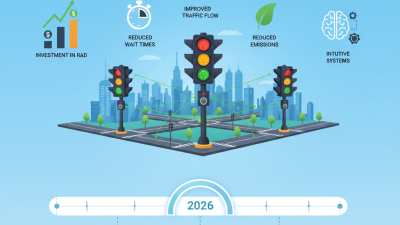
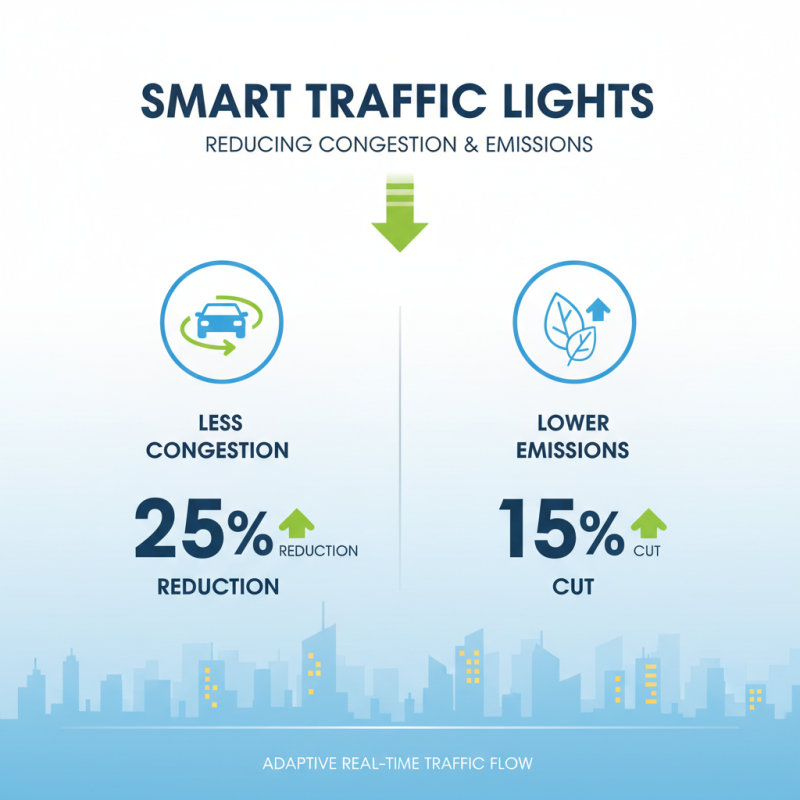
Smart traffic lights are becoming a critical innovation for urban environments. By adapting to real-time traffic conditions, these systems can manage vehicle flow more effectively. Studies indicate that smart traffic signals can reduce congestion by up to 25% and cut emissions by 15%. This is not just about efficiency; it’s also about environmental sustainability.
These systems use sensors to monitor traffic and optimize light cycles. This means less waiting time at intersections. Interestingly, a report from the Institute of Transportation Engineers noted that cities that adopted these technologies experienced fewer accidents. The smoother traffic flow contributed to safer roadways.
Tip: Regular maintenance and software updates for smart systems can maximize their effectiveness. Also, integrating public transportation data can provide even more benefits. Consider collaborating with local traffic safety organizations for ongoing improvements. Balancing technology with human factors is key; there’s still room for growth in public awareness and acceptance of these innovations.
V2X communication is revolutionizing traffic signal management systems. By allowing vehicles to communicate with traffic signals, this technology enhances safety and efficiency on the roads. When vehicles receive real-time data from signals, drivers can make informed decisions. This leads to smoother traffic flow and reduced congestion.
The integration of V2X technology faces challenges. Not all vehicles are equipped for it yet. Furthermore, urban infrastructure varies greatly. Some cities may lack the necessary upgrades for effective implementation. Despite these hurdles, the potential benefits are substantial. Cities can better manage traffic, reducing accident risks and improving air quality.
As we move towards smarter cities, V2X communication should be a priority. It represents a shift towards a more connected and responsive urban environment. However, continuous assessments of technology, infrastructure, and user acceptance will be crucial. Only through careful planning and adaptation can we unlock the full potential of V2X in traffic management.
This bar chart represents the impact scores of various key traffic signal innovations anticipated for 2026. The data reflects how these technologies could contribute to safer roads and smarter city infrastructures.