In recent years, the implementation of innovative Radar Speed Signs has proven crucial for improving road safety. These advanced devices not only alert drivers to their speeds but also help in reducing accidents. Renowned expert Dr. John Stevens, a leader in traffic safety technology, emphasizes, "Radar Speed Signs are pivotal in shaping driver behavior."
The evolution of these signs reflects a commitment to safer highways. They combine technology with practical solutions, responding to the urgent need for better traffic management. Enhanced visibility and real-time feedback engage drivers more effectively than traditional speed limit signs. Despite the advancements, there remain challenges in ensuring every sign is properly maintained and implemented across various regions.
The effectiveness of Radar Speed Signs is not guaranteed in every scenario. Locations with inadequate visibility or high-speed zones may require additional measures. Continuous assessments are vital to maximize their impact. While the innovation is commendable, ongoing discussions about placement and user interaction remain essential for truly enhancing road safety.
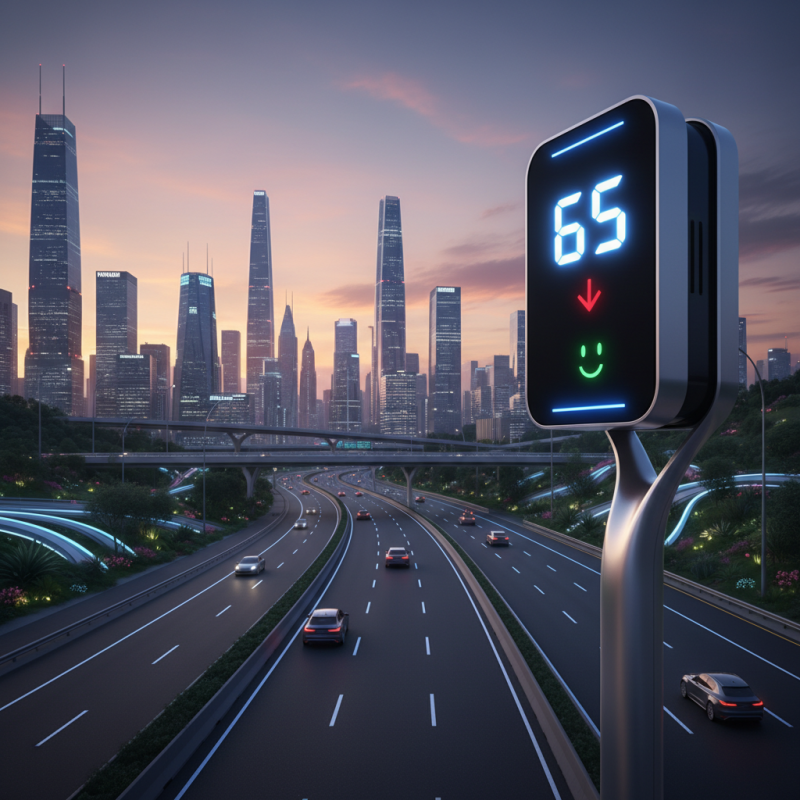
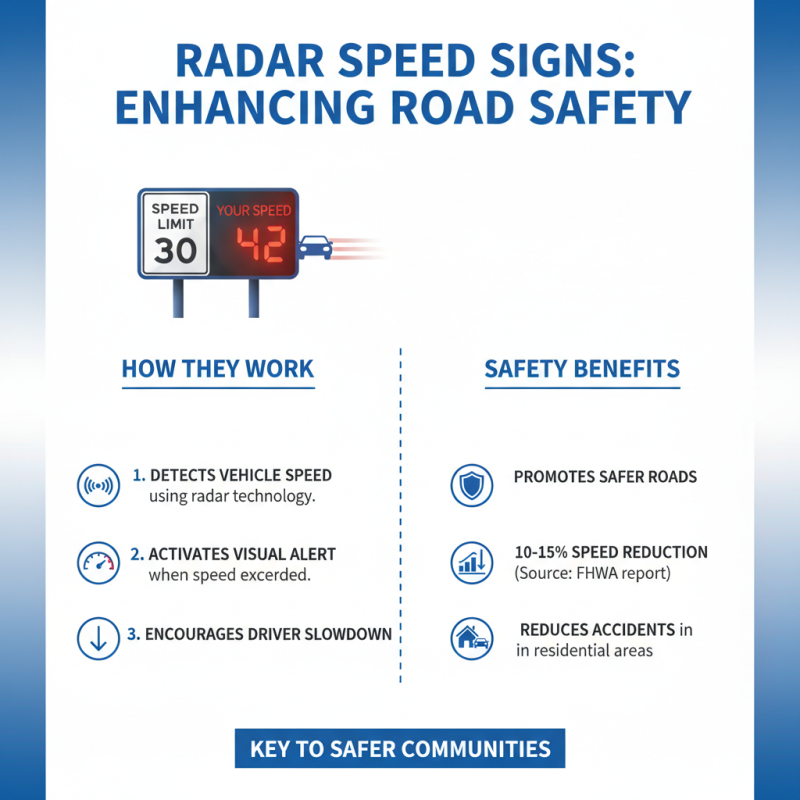
Radar speed signs play a crucial role in enhancing road safety. These signs use radar technology to detect vehicle speed. When a driver exceeds the speed limit, the sign activates to display a visual alert. According to a report by the Federal Highway Administration, areas with radar speed signs can see speed reductions of 10% to 15%. This reduces the likelihood of accidents, especially in residential neighborhoods.
Research indicates that visual alerts can improve drivers’ compliance with speed limits. The immediate feedback from the signs makes drivers more aware of their speed. In some jurisdictions, 60% of drivers adjust their speed when they notice a radar sign. This is a significant step toward safer driving behavior. However, not all installations are successful. Inconsistent maintenance or placement can lead to ineffective communication.
Tips: Ensure radar signs are well-placed for maximum visibility. Regular checks for functionality are essential. Addressing issues promptly can prevent miscommunication with drivers. Community awareness campaigns can raise understanding of the technology's importance. Radar speed signs are a step forward, but ongoing evaluation and adaptation are necessary for optimal performance.
Recent innovations in radar speed sign technology are changing how we approach road safety. According to a 2023 report from the National Highway Traffic Safety Administration, speed sign technology has reduced speeding incidents by up to 25% in monitored areas. These devices now utilize advanced radar systems to detect vehicle speeds with high accuracy. The results are compelling. Traffic flow becomes smoother, and communities feel safer.
New features enhance their effectiveness. Some signs now include real-time data collection. This data helps cities analyze traffic patterns and adjust enforcement strategies. Moreover, solar-powered options are gaining traction. They reduce energy costs and are eco-friendly. However, there are challenges. Some areas still lack adequate coverage. This inconsistency creates blind spots where speeding issues persist.
Many signs now incorporate LED lights that flash to alert drivers exceeding speed limits. Yet, there are concerns about sign visibility during adverse weather. While improvements are notable, ongoing adjustments are necessary. Regular updates and maintenance ensure reliability and performance. Continued research is essential to maximize the benefits of these innovations. Road safety is a shared responsibility. Engaging communities will amplify the positive outcomes of radar speed signs.
| Innovation | Description | Benefits | Deployment Areas |
|---|---|---|---|
| Smart Adaptive Signaling | Adjusts signage based on real-time traffic conditions. | Reduces speed-related accidents by adapting to traffic flow. | Urban areas, construction zones. |
| Solar-Powered Signs | Utilizes solar energy for operation, reducing environmental impact. | Cost-effective, eco-friendly, and easy to install. | Remote areas, highways. |
| Data Analytics Integration | Collects and analyzes speed data to improve traffic management. | Informs policy changes and enhances public safety measures. | City centers, police departments. |
| LED Flashing Alerts | Flashes warning signals when speeding is detected. | Increases driver awareness and reduces speed violations. | School zones, highways. |
| Mobile-based Notifications | Sends alerts to drivers through connected devices. | Enhances community engagement and compliance with speed limits. | Residential areas, busy intersections. |
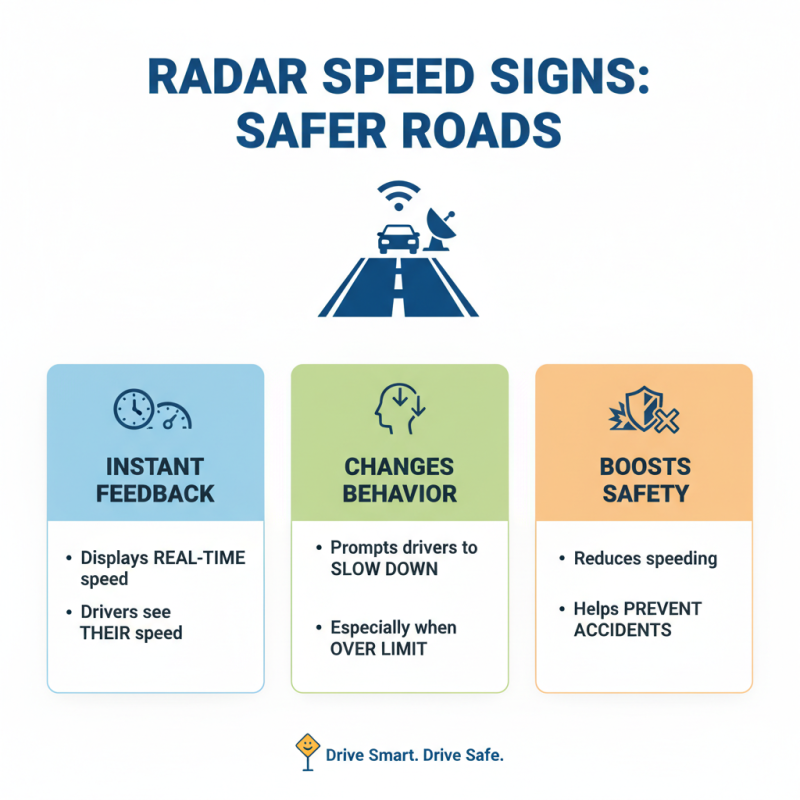
Radar speed signs are becoming crucial in promoting road safety. These signs display a driver's speed in real-time, providing instant feedback. When drivers see their speed, it often leads to immediate behavior change. People tend to slow down when they realize they are over the limit. This direct interaction can help reduce accidents.
However, the impact of radar speed signs is not uniform. Some studies show mixed results in long-term effectiveness. Over time, drivers may ignore them if they become too familiar. Communities must regularly assess their effectiveness. Novel designs and technology can enhance their appeal and efficiency. Implementing features like flashing lights or changing messages may help.
Real-world data has shown positive changes in speed metrics after installation. Areas with radar signs often report fewer speeding incidents. Yet, it’s essential to combine them with proper education campaigns. Engaging the public can amplify the benefits. These signs are a starting point, but they must be part of a broader strategy.
Radar speed signs are becoming essential tools for enhancing road safety in urban environments. These signs use advanced technology to display real-time vehicle speeds. When drivers see their speed, it often prompts them to slow down. This immediate feedback can reduce speeding incidents significantly in busy areas. Streets near schools and parks especially benefit from these signs.
Incorporating radar speed signs improves not just compliance but also awareness. Drivers may not realize how fast they are going. The signs serve as a reminder to prioritize safety. However, there are challenges. For instance, not all drivers might adjust their speed, even when alerted. Additionally, some signs can become targets for vandalism, impacting their effectiveness.
Despite these drawbacks, the potential benefits are notable. Communities can see decreased accident rates. Local authorities also gain vital data on traffic patterns. This information can drive further improvements in road design and traffic management. It’s essential to reflect on how to maintain and enhance these systems to ensure they serve their purpose effectively.
Radar speed signs are evolving. They are becoming smarter, more interactive, and increasingly vital for road safety. Future trends indicate a rise in integrating artificial intelligence with radar technology. Advanced data analytics will help in real-time monitoring of traffic patterns. A report from the National Highway Traffic Safety Administration indicates that speed signs can reduce speeding incidents by 15-20%. This is promising for communities focused on enhancing safety.
Additionally, smart radar signs will feature connectivity options. This means they can communicate with other road infrastructure. As more cities adopt smart technologies, it's crucial to address potential challenges. Not all locations have the same funding or prioritization for such innovations. Some areas might lack infrastructure to support these upgrades.
Tips: Consider the human factor. Engaging drivers visually and audibly can significantly increase awareness. Think about signage that adapts to different times of day. Data shows that personalized messages can lead to improved compliance. Remember, while technology advances, human behavior is complex and requires continuous engagement.
In 2026, the following innovations in radar speed signs are expected to greatly improve road safety through enhanced visibility, user engagement, and smart connectivity, among other benefits. The adoption rates signify the effective implementation of these technologies across various regions.